Choosing the best China DOT Rated Electric LSV requires more than comparing speed, price, and battery size. A reliable evaluation must examine compliance, build quality, driving range, service support, and real operating conditions. The best model may not be the fastest one. It should provide predictable performance on private roads, planned communities, campuses, or other permitted low-speed routes.
In the United States, “DOT rated” can be an imprecise marketing phrase. The Department of Transportation does not usually issue a simple approval badge for every vehicle. Manufacturers generally certify compliance with applicable Federal Motor Vehicle Safety Standards, including requirements for low-speed vehicles. Buyers should request clear documentation, test records, vehicle identification details, and safety equipment specifications. Check the brakes, lamps, mirrors, seat belts, windshield, tires, and structural protection carefully. Small details matter.
Battery chemistry also deserves close attention. Lithium batteries can reduce weight and improve daily usability, while lead-acid systems may lower the initial purchase price. Ask about charger protection, replacement cost, warranty coverage, and service availability. A vehicle showing 60 miles of range may deliver less with hills, passengers, cold weather, or frequent stops. Real life is less tidy.
We will compare leading Chinese manufacturers through practical evidence, not attractive brochures alone. Production experience, factory quality controls, export history, and responsive technical support all influence ownership. Some specifications may remain difficult to verify, and that limitation should be acknowledged. The strongest choice balances verified safety, honest performance, reasonable maintenance, and dependable support after delivery.
What Defines a China DOT-Rated Electric LSV?
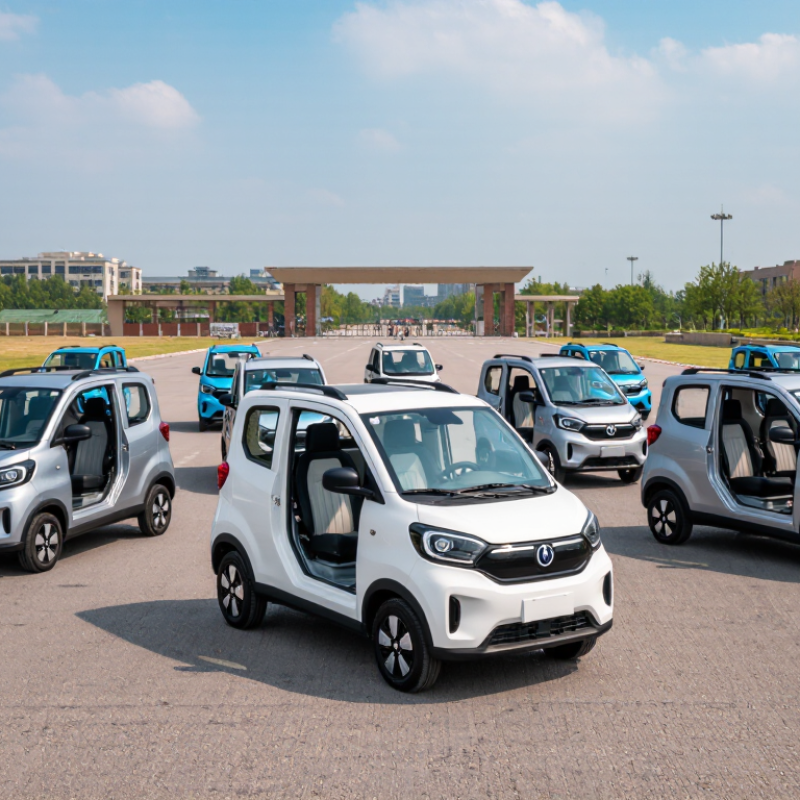
A China DOT-rated electric LSV is not defined by a sticker alone. It means a China-made low-speed vehicle is designed to meet applicable United States Federal Motor Vehicle Safety Standards. For an LSV, the key federal requirements generally relate to speed, equipment, and occupant protection. Its top speed is typically above 20 mph but not above 25 mph. The vehicle also needs required lamps, reflectors, mirrors, seat belts, a parking brake, and compliant glazing.
Details matter. During an inspection, check the VIN plate, tire markings, lighting functions, brake response, and belt anchoring points. Open the battery compartment. Look for secure wiring, protected terminals, ventilation planning, and a firm enclosure. The charger should match the battery system and display clear electrical information. A credible manufacturer should provide test records, component traceability, assembly procedures, and a compliance statement linked to the exact vehicle configuration.
A vehicle may resemble a compliant LSV while missing a required component or using an unverified replacement part. This is where practical experience becomes valuable. Compare the test documentation with the actual unit, including its motor, controller, battery pack, seats, and lighting layout.
Independent inspection is wise, especially when specifications changed after testing. I would not treat “DOT rated” as a complete quality guarantee. It is better understood as a compliance claim that must be supported by evidence, careful production control, and honest verification.
Key Safety and Compliance Standards for Electric LSVs
What Is the Best China DOT Rated Electric LSV?
The best China-made electric LSV is not chosen by appearance alone. It should meet applicable U.S. safety requirements and local driving rules. In the United States, an LSV generally follows FMVSS No. 500. This standard covers speed limits, lighting, mirrors, windshield equipment, parking brakes, and seat belts. “DOT rated” can be misleading. The Department of Transportation does not simply approve every vehicle with a universal badge. Buyers should request a compliance statement, vehicle identification number, test records, and clear manufacturing documents.
A careful inspection should check belt anchoring, headlight aim, brake response, tire markings, and battery protection. Look beneath the seats, too. Loose wiring and exposed terminals are warning signs. The battery system should include proper thermal protection, isolation, and charging controls. Some sellers provide incomplete paperwork, and that can create problems during registration or insurance review. I would not rely on a sales page alone. Regulations may also differ between states, cities, and private communities.
Tips:
Ask for the exact FMVSS references, not vague “DOT approved” wording. Confirm the vehicle’s speed setting and seating capacity. Test it on a dry surface, then inspect braking on a gentle slope. Keep photos of labels and certificates. A small documentation gap may become a large ownership problem.
How to Compare China-Made DOT-Rated Electric LSVs
What Is the Best China DOT Rated Electric LSV?
How to Compare China-Made DOT-Rated Electric LSVs
A China-made electric LSV should be compared by verified compliance, not showroom appearance. In the United States, “DOT-rated” is often imprecise. NHTSA’s FMVSS No. 500 defines low-speed vehicle equipment requirements, including lamps, mirrors, windshield, seat belts, and vehicle identification. The vehicle must generally operate between 20 and 25 mph. Ask the supplier for test records, certification labels, VIN details, and traceable production documents. A polished brochure is not enough.
Battery performance needs practical testing. Compare usable battery capacity, charging time, payload, hill performance, and range with two passengers onboard. The IEA’s Global EV Outlook 2024 reported nearly 14 million electric car sales worldwide in 2023. That growth improves battery supply, but it does not guarantee reliable LSV engineering. Check cell documentation, battery management protection, charger certification, and cold-weather behavior. Range claims can feel optimistic. I would measure range on the route you actually drive.
Tips: Request an independent pre-shipment inspection. Test emergency braking, lighting, steering play, and seat-belt anchoring. Confirm replacement parts and warranty response times in writing. Compare delivered cost, not factory price. Some buyers overlook customs, inland transport, and technician labor. Also, verify local registration rules before payment, because federal compliance does not automatically guarantee local road eligibility.
What Is the Best China DOT-Rated Electric LSV?
How to Compare China-Made DOT-Rated Electric LSVs against the U.S. federal low-speed vehicle equipment baseline.
The chart summarizes the nine equipment categories required for U.S. low-speed vehicles under FMVSS No. 500. A compliant China-made vehicle should also meet the applicable speed, weight, labeling, import, and state requirements. “DOT-rated” is not a single quality score, so buyers should request test evidence and vehicle-specific compliance documentation rather than relying on a marketing label.
Performance, Range, Comfort, and Utility Considerations
Choosing the best China DOT-rated electric LSV requires more than checking its top speed. Performance should feel predictable, especially on uneven paths or short inclines. A responsive motor should move the vehicle smoothly with two passengers aboard. Strong hydraulic or electric braking also matters near crowded facilities. Confirm the vehicle’s DOT-related equipment and certification documents before purchase. Details matter.
Real-world range often differs from advertised range. Cold weather, hills, tire pressure, passenger weight, and frequent stops can reduce battery performance. During a typical workday, a useful LSV should complete several local trips without creating charging anxiety. Lithium battery systems usually offer easier daily operation, but charging time and replacement support deserve careful review. A range estimate is not a promise.
Comfort becomes obvious after thirty minutes, not five. Look for supportive seats, clear windshield visibility, quiet acceleration, and enough legroom for taller drivers. A roof, doors, and effective ventilation help during changing weather. Utility features should match the job. A rear cargo bed, practical payload rating, strong suspension, and simple storage can support tools, supplies, or light maintenance work. I would not overlook turning radius; a vehicle that struggles between buildings wastes time. Some specifications may look excellent on paper, yet real surfaces can expose weak suspension or limited traction. Test the LSV with its expected load, not an empty showroom setup.
What Is the Best China DOT Rated Electric LSV? - Performance, Range, Comfort, and Utility Considerations
| Vehicle Configuration |
Typical Seating / Layout |
Top Speed |
Estimated Real-World Range |
Battery Options |
Typical Charging Time |
Payload Capacity |
Best Use |
Overall Strength |
| Compact Personal LSV |
2 seats, open or enclosed cabin |
19–25 mph |
40–65 miles |
48–72 V; approximately 5–10 kWh |
6–10 hours on a standard AC outlet |
600–900 lb |
Neighborhood travel, campuses, resorts, and gated communities |
Best efficiency and maneuverability |
| Four-Passenger LSV |
4 seats, forward-facing or split seating |
19–25 mph |
35–60 miles |
48–72 V; approximately 7–14 kWh |
7–12 hours on a standard AC outlet |
700–1,000 lb |
Family transportation, hotels, residential communities, and short local trips |
Best balance of comfort and practicality |
| Six-Passenger LSV |
6 seats, two or three seating rows |
19–25 mph |
30–50 miles |
60–72 V; approximately 10–18 kWh |
8–14 hours on a standard AC outlet |
900–1,200 lb |
Passenger shuttles, large properties, events, and tourism operations |
Best passenger capacity |
| Utility LSV with Cargo Bed |
2 seats, rear cargo box or flatbed |
19–25 mph |
30–55 miles |
48–72 V; approximately 7–15 kWh |
7–12 hours on a standard AC outlet |
900–1,500 lb, including cargo |
Maintenance, landscaping, warehouses, farms, and facility management |
Best utility and hauling capability |
| Enclosed All-Weather LSV |
2–4 seats, doors, windshield, heater, and wipers |
19–25 mph |
30–55 miles |
60–72 V; approximately 8–16 kWh |
8–14 hours on a standard AC outlet |
650–1,000 lb |
Cooler climates, rainy regions, campuses, and year-round commuting |
Best weather protection and comfort |
Selection Guide: For most buyers, a four-passenger configuration offers the strongest combination of usable range, passenger comfort, maneuverability, and operating cost. Choose a compact two-passenger model when efficiency and easy parking are priorities, or select a utility configuration when cargo capacity and daily work capability matter most.
Regulatory Note: A U.S. low-speed vehicle is generally limited to a maximum speed of 25 mph and a gross vehicle weight rating below 3,000 lb under Federal Motor Vehicle Safety Standard No. 500. Actual registration, equipment, insurance, and road-use requirements vary by state and locality.
Data Note: The figures shown are representative operating ranges for China-manufactured electric LSV configurations designed for applicable U.S. low-speed-vehicle requirements. Actual performance depends on battery chemistry, payload, terrain, temperature, tire pressure, driving speed, and optional equipment. Confirm the vehicle’s certification documents and final specifications before purchase.
How to Choose the Best Electric LSV for Your Needs
Choosing the best electric LSV starts with your daily route, not the advertised top speed. Measure the distance between home, work, shops, and charging access. A model with a 40-mile claimed range may travel less in cold weather, hills, or heavy traffic. Real use differs. Leave a practical reserve.
Check the vehicle’s DOT-related documentation carefully. Confirm its speed classification, required lighting, seat belts, mirrors, windshield, and identification labels. Local road rules can differ, even between nearby communities. Ask the seller for written compliance records, warranty terms, battery details, and service procedures. A confident salesperson should explain these points clearly.
Battery chemistry, charging time, and payload deserve close attention. Lithium batteries often reduce weight, while lead-acid systems may cost less initially. Neither choice is perfect for every owner. Inspect the charger, cable length, tire condition, braking response, and turning radius during a real test drive. Sit in every seat. Can an older passenger enter safely? Does the vehicle remain stable with groceries or tools onboard? Consider weather protection, spare parts availability, and technician access before buying. I would also compare energy costs over several years, because the cheapest purchase price can hide expensive maintenance. Claims sound attractive, but measurable records are more trustworthy.
FAQS
Request a compliance statement, vehicle identification number, test records, and manufacturing documents. Do not rely on a sales page alone. Local rules may vary by state, city, or private community.
The phrase can be unclear. Ask for exact FMVSS No. 500 references and supporting records. A vague approval claim is not enough.
Check seat-belt anchors, headlights, mirrors, windshield equipment, brakes, tires, and the parking brake. Inspect beneath the seats. Loose wires and exposed battery terminals deserve immediate attention.
Look for thermal protection, electrical isolation, and controlled charging. Charging time also matters. Replacement support should be confirmed before purchase.
Range estimates are not promises. Cold weather, hills, tire pressure, passengers, and frequent stops can reduce performance. Test the vehicle under realistic daily conditions.
Drive on a dry surface with two passengers when possible. Test braking on a gentle slope. Repeat the test with the expected cargo load.
Sit inside for at least thirty minutes. Check seat support, windshield visibility, legroom, ventilation, and acceleration noise. Five minutes can hide discomfort.
Match the vehicle to its daily work. A rear cargo bed, useful payload rating, strong suspension, and simple storage can help. Turning radius matters near buildings.
Yes, specifications may look impressive on paper. Uneven paths can reveal weak suspension or limited traction. An empty showroom test may mislead.
Conclusion
A DOT Rated Electric LSV is a low-speed electric vehicle designed for short-distance transportation while meeting applicable safety, equipment, and road-use requirements. The best models are built with essential features such as reliable braking, effective lighting, seat belts, mirrors, sturdy construction, and clear identification equipment. When evaluating China-made options, buyers should review documentation, manufacturing quality, compliance evidence, and after-sales support instead of relying on appearance or price alone.
Performance and practicality are equally important. Consider battery capacity, driving range, charging time, speed limits, hill-climbing ability, passenger capacity, cargo space, weather protection, seating comfort, and ease of maintenance. The ideal DOT Rated Electric LSV should match its intended use, whether for neighborhood travel, private communities, campuses, resorts, or light utility work. By balancing safety, compliance, durability, comfort, operating costs, and available support, buyers can select a dependable electric LSV that fits their daily transportation needs.

