Electric Vehicle Manufacturing & Global Export  |  OEM · ODM · Dealer Programs
0%

Choosing among the Top Luxury Electric Golf Carts for Global Buyers requires more than polished seats and a quiet motor. Buyers need dependable range, battery safety, service access, and honest performance claims. A cart may look impressive beside a modern villa, marina, or resort entrance. Yet its real value appears during daily use, steep drives, wet weather, and repeated charging.

John McMullen, a longtime golf-cart industry executive, once observed, “A premium golf car must deliver confidence after the showroom moment.” That practical view deserves attention. Luxury Electric Golf Carts should combine refined design with proven engineering, responsive handling, and durable materials. Features such as lithium-ion batteries, regenerative braking, LED lighting, weather protection, and connected displays can improve ownership. They should not become expensive decorations.

Global buyers also face uneven road conditions, climate demands, local usage rules, and different service networks. A model suited to a private estate may perform poorly on a large resort property. Some advertised ranges may shrink under heavy loads, hills, cold temperatures, or frequent passenger use. That detail is easy to overlook.

This guide compares leading Luxury Electric Golf Carts through an experience-based lens. It considers comfort, craftsmanship, range, charging behavior, maintenance support, customization, and long-term value. No single cart fits every buyer. That is the uncomfortable truth.

The best choice may be less flashy. It may offer stronger parts support, clearer warranty terms, and a technician nearby. Buyers should verify specifications with manufacturers and authorized dealers before ordering. Fancy is not always better. Reliable usually matters longer.
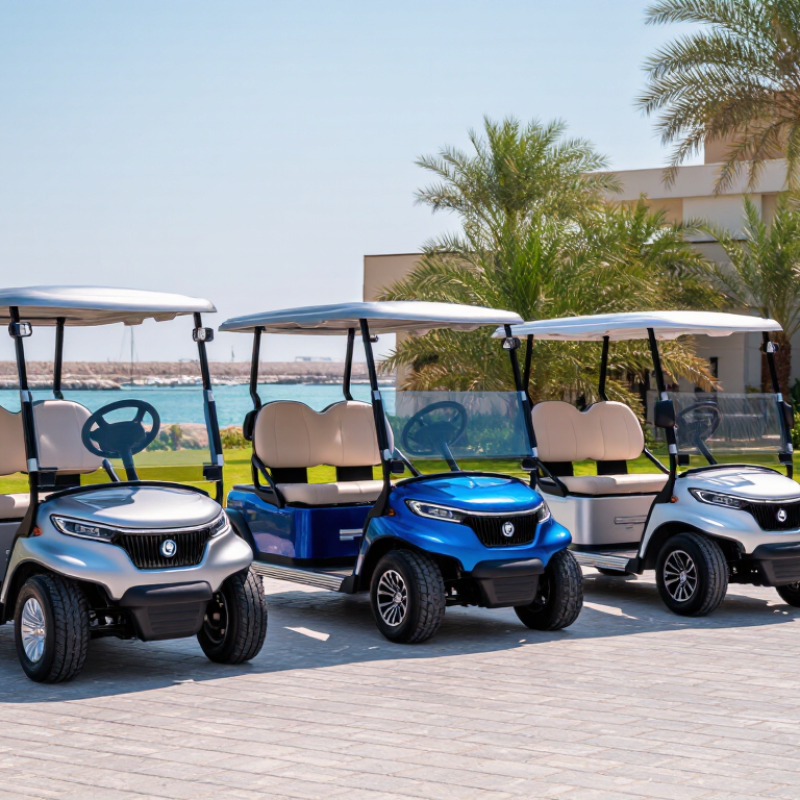
Top Luxury Electric Golf Carts for Global Buyers?

What Defines a Luxury Electric Golf Cart for Global Buyers?

For global buyers, a luxury electric golf cart is defined by more than polished seats and a quiet motor. It should deliver controlled acceleration, stable braking, weather protection, and comfortable seating on uneven paths. Grand View Research estimated the global golf cart market at about USD 1.7 billion in 2023, with continued growth expected through 2030. That expansion raises the standard for product quality.

Quiet matters. So does consistency.

Battery performance is another defining measure. The International Energy Agency reported that lithium-ion battery pack prices fell by 14% in 2023. Buyers may therefore expect better range without accepting excessive weight or charging time. A premium cart should show clear battery data, practical charging protection, and safe thermal management. These details matter more than decorative lighting. They also support dependable use in hot, humid, or coastal climates.

Luxury should include ownership support. Buyers need accessible servicing, replacement parts, multilingual manuals, and warranties that remain understandable across borders. Safety features should be tested against relevant regional requirements, not described with vague marketing language. I have found that beautiful interiors often distract from weak suspension or limited ground clearance. That is an uncomfortable point. A serious evaluation should include a loaded test drive, hill braking, turning stability, charging time, and cabin comfort. Market reports provide useful direction, but real roads reveal the missing details.

Key Features and Technologies in Premium Electric Golf Carts

Premium electric golf carts are now judged by more than polished seats and quiet movement. Buyers should examine the technology beneath the cabin. A high-quality lithium battery can reduce weight and provide consistent power across long resort routes. Its battery management system should monitor temperature, voltage, and charging balance. This matters on steep paths and during repeated daily use.

Motor control is equally important. Smooth torque helps the cart start without a sharp lurch. Regenerative braking can return limited energy while descending hills, although it cannot replace careful driving. Independent suspension, hydraulic disc brakes, and weather-resistant wiring improve control in changing conditions. LED lighting and a clear digital display also support safer operation at dusk. Small details matter.

Connectivity adds convenience, but it deserves practical scrutiny. GPS tracking, remote diagnostics, and service alerts may help fleet managers reduce downtime. However, software quality depends on updates, signal coverage, and data protection. A premium cart should offer sealed charging ports, thermal safeguards, and a charger matched to its battery system. Ask for test results, service intervals, and spare-part support. Marketing language is not evidence. No system is perfect. I would still test range with passengers, luggage, slopes, and cooler temperatures before purchase. That real-world check often reveals weaknesses hidden by showroom conditions.

Leading Luxury Electric Golf Cart Models and Their Differences

Top Luxury Electric Golf Carts for Global Buyers?

Luxury electric golf carts differ mainly in seating, battery technology, comfort, and terrain control. Two-seat models suit private estates and short hotel transfers. Four-seat models offer better flexibility for families. Six-seat models carry more passengers but need stronger suspension and braking systems.

Lithium-ion models usually weigh less and charge faster than lead-acid systems. They also support more charging cycles, although replacement costs can be higher. Premium carts may include independent suspension, hydraulic disc brakes, weather-resistant upholstery, LED lighting, and quiet AC motors. According to Allied Market Research, the global golf cart market is projected to reach about USD 2.2 billion by 2030, reflecting growing interest in electric mobility for resorts and residential communities. The figure is useful, but regional usage patterns vary widely.

Tips: Compare usable range, not advertised range. Ask for battery warranty details. Check ground clearance before choosing a luxury model for uneven paths. A larger vehicle is not always better. It may consume more energy and require wider parking space. Range estimates remain imperfect in cold weather, heavy loads, and repeated hillside driving. That small detail is often overlooked.

How to Compare Performance, Comfort, Safety, and Customization

Top Luxury Electric Golf Carts for Global Buyers?

Luxury electric golf carts should be compared like compact vehicles, not moving furniture. Check motor output, hill-climbing ability, braking distance, and usable range under real loads. The IEA’s Global EV Outlook 2024 reported more than 17 million electric car sales in 2023, showing stronger battery supply and testing standards. However, golf-cart batteries face different demands. Ask for tested range with passengers, lights, and gradients included. Laboratory range can disappoint outdoors.

Comfort becomes obvious after thirty minutes. Inspect seat cushioning, legroom, steering effort, suspension travel, and wind protection. A quiet cabin matters on private roads and resort paths. Battery placement also affects stability and interior space. Some buyers overlook charging time. That is a mistake. Check charger compatibility, thermal protection, and replacement support in your country. SAE and UL guidance can help verify electrical safety, while ANSI/ITSDF B56.8 addresses golf-car design and operating practices.

Safety deserves more attention than decorative trim. The U.S. Consumer Product Safety Commission has repeatedly identified rollovers, falls, and collisions as major golf-cart injury patterns in its injury surveillance work. Look for three-point restraints, effective parking brakes, strong lighting, mirrors, and a stable frame. Customization should improve function, not merely appearance. Weather-resistant upholstery, a sealed storage compartment, and adjustable controls offer daily value. I would still test the cart personally. Specifications rarely reveal brake feel, suspension rebound, or awkward access. Some premium options look impressive, yet add weight and reduce range. That trade-off is easy to miss.

International Buying Factors: Regulations, Shipping, and After-Sales Support

Top Luxury Electric Golf Carts for Global Buyers?

International Buying Factors: Regulations, Shipping, and After-Sales Support

A luxury electric golf cart is not automatically road legal in every market. Buyers should check local rules for speed limits, lighting, seat belts, mirrors, registration, and approved road use. Battery voltage and charging plugs also require attention. A cart designed for one region may need technical changes elsewhere. Do not rely only on a seller’s statement. Ask for conformity documents, battery specifications, charger certifications, and a clear invoice. Requirements can change, which makes online advice imperfect.

Shipping requires more planning than many buyers expect. Lithium batteries may need special packaging, documentation, and approved transport methods. Confirm whether the quotation includes export handling, insurance, port charges, customs duties, and final delivery. Choose suitable Incoterms and inspect the cart before signing delivery papers. Photograph the crate, serial number, wheels, body panels, and battery area. Small damage can become a costly dispute.

Tips: Request a written warranty before payment. Confirm coverage for batteries, motors, chargers, and controllers. Ask how replacement parts reach your country and who pays shipping. Reliable support should provide manuals, troubleshooting steps, and access to trained technicians. A local service partner is valuable, but verify its skills and response time. Some promises sound impressive. Test them with specific questions.

Top Luxury Electric Golf Carts for Global Buyers: International Buying Factors

A practical comparison of regulatory, shipping, and after-sales considerations for premium electric golf-cart purchases. Requirements vary by vehicle specification, destination, and intended use.

Target Market Typical Legal-Use Question Key Regulatory or Registration Consideration Battery and Electrical Documentation Indicative Ocean-Shipping Planning Range Import and Delivery Documents Recommended After-Sales Package Main Buyer Risk
United States Will the vehicle be used only on private property, or on public roads? Road-use models may fall under the federal Low-Speed Vehicle framework, including a maximum speed of 25 mph and required safety equipment. State, county, and municipal rules still determine registration and permitted roads. Battery chemistry, charger specifications, electrical diagrams, and transport classification should be supplied. Lithium batteries require applicable dangerous-goods shipping documentation. Approximately 25–45 days port-to-port, excluding inland delivery, customs, and port congestion. Final timing depends on origin, destination, and service type. Commercial invoice, packing list, bill of lading, country-of-origin information, customs entry, and any required state registration documents. Written warranty terms, spare-parts list, remote troubleshooting, service manuals, and access to a qualified local technician or mobile service provider. State-by-state road rules
Import classification and local safety compliance may differ from private-property use.
European Union Does the cart have road approval, or is it restricted to private grounds? A standard golf cart is not automatically road legal. Public-road use may require an applicable EU vehicle category, type approval, individual approval, registration, lighting, mirrors, seat belts, and other required equipment. Request battery safety information, charger conformity documentation, recycling information, and evidence that the electrical system meets the requirements applicable to the declared vehicle category. Approximately 30–50 days port-to-port is a practical planning range for many overseas shipments. Customs clearance and delivery to the final country can add time. Commercial invoice, packing list, transport document, customs declaration, origin information, conformity documentation, and VAT or duty records where applicable. EU-based spare-parts availability, multilingual manuals, warranty response times, software or controller support, and a documented repair network. Road approval mismatch
A private-use cart may require substantial modification or approval before public-road registration.
United Kingdom Is the vehicle intended for private estates, resorts, or public roads? Public-road use generally requires the vehicle to meet the relevant UK approval and registration pathway. The required process depends on the vehicle design, speed, equipment, and intended category. Obtain charger specifications, battery documentation, wiring diagrams, safety instructions, and applicable conformity or test records before shipment. Approximately 30–50 days port-to-port for many overseas routes, with additional time for customs, inland transport, and registration-related checks. Commercial invoice, packing list, bill of lading, import declaration, origin details, conformity information, and registration or approval documents where required. UK stock of common parts, clear warranty exclusions, response-time commitments, diagnostic support, and a service partner able to handle battery and controller work. Approval pathway
Do not assume that equipment suitable for private land is sufficient for public-road registration.
Australia Will the vehicle operate on a golf course, private community, or public road? Public-road registration is controlled through Australian vehicle standards and state or territory registration rules. A cart designed only for private property may not meet the requirements for road use. Confirm battery type, charger compatibility with local electrical supply, emergency procedures, and shipping documentation. Lithium batteries may require special packing and declarations. Approximately 25–50 days port-to-port, depending on the origin port, destination port, seasonal demand, and quarantine or inspection requirements. Commercial invoice, packing list, bill of lading, import declaration, origin documentation, biosecurity-related records where applicable, and registration evidence if required. Local parts inventory, battery replacement planning, technician training, clear charging guidance, and support for tropical, coastal, or high-temperature environments. State registration
Transport, biosecurity, climate, and local registration requirements can materially affect the landed cost.
United Arab Emirates Will the cart remain within a resort or gated community, or enter public streets? Private-property operation and public-road operation are treated differently. Public use may require local authority approval, roadworthiness requirements, insurance, and registration depending on the emirate and vehicle specification. Verify charger voltage and frequency compatibility, battery heat-management guidance, maintenance intervals, and safe storage procedures for high ambient temperatures. Approximately 20–40 days port-to-port on common Asia-to-Gulf routes, excluding customs clearance, port handling, and final delivery. Commercial invoice, packing list, bill of lading, certificate of origin, import permits where applicable, conformity information, and local registration papers if required. Regional service coverage, air-conditioning or heat-management advice, dust protection guidance, replacement batteries, and rapid access to chargers and controllers. Heat and road-use limits
Battery performance, charging location, and emirate-specific rules should be confirmed before purchase.
Singapore Is the vehicle limited to private premises or intended for public-road use? Public-road use is subject to local vehicle approval, registration, equipment, and licensing requirements. A recreational cart for private premises should not be assumed to be road legal. Provide battery and charger certificates, electrical schematics, maintenance instructions, and documentation for any wireless, telemetry, or safety-control equipment. Approximately 15–35 days port-to-port from nearby Asian origins, subject to vessel schedules, customs processing, and final-mile delivery. Commercial invoice, packing list, bill of lading, import permits or declarations where applicable, origin information, and local approval documents for registered use. In-country service capability, compact spare-parts inventory, corrosion protection advice, charging support, and a defined escalation process for electronic faults. Limited operating area
Confirm approval and operating restrictions before selecting a high-speed or heavily modified configuration.
Japan Will the cart be used in a resort, factory, private facility, or on public roads? Public-road operation can require compliance with Japanese vehicle classification, safety, inspection, and registration requirements. Private-site use may follow different rules but still requires safe operating procedures. Request Japanese-compatible charging information, battery safety records, electrical drawings, and translated maintenance instructions where needed. Approximately 15–35 days port-to-port from nearby Asian origins, plus domestic port handling, customs, and delivery to the operating site. Commercial invoice, packing list, bill of lading, origin documentation, customs records, conformity information, and registration documents where applicable. Japanese-language manuals, local technical support, readily available consumables, battery testing, and a documented process for software or controller replacement. Local classification
Vehicle category and intended operating location can change the approval, inspection, and registration requirements.
Canada Does the buyer need public-road access or only private-property mobility? Road-use requirements vary by province and municipality. Federal vehicle rules, provincial registration, insurance, lighting, speed, and permitted-road requirements should be checked together. Confirm cold-weather battery guidance, charger operating limits, storage procedures, and replacement-battery availability for winter conditions. Approximately 25–50 days port-to-port for overseas shipments, with possible seasonal delays caused by weather, inland transport, and port congestion. Commercial invoice, packing list, bill of lading, origin details, customs documentation, tax records, and provincial registration documents where required. Winterization instructions, local battery support, heated-storage guidance, spare parts, diagnostic tools, and a service partner familiar with electric drive systems. Climate and provincial rules
Cold-weather range, charging, storage, and road eligibility should be evaluated separately.
Buyer planning note: Shipping durations are indicative planning ranges rather than guarantees. Before placing an order, obtain the vehicle’s exact dimensions and weight, battery chemistry and shipping classification, declared maximum speed, conformity documents, warranty terms, spare-parts lead times, and written confirmation of whether the vehicle is approved for the intended type of use.

FAQS

What makes an electric golf cart feel genuinely luxurious?

Luxury means quiet movement, controlled acceleration, stable braking, and supportive seats. It should remain comfortable on uneven paths. Polished interiors alone are not enough.

Which battery details should global buyers examine?

Check battery capacity, charging time, thermal protection, and management-system data. The system should monitor temperature, voltage, and charging balance. Ask for clear test records.

How should buyers test real-world driving range?

Test the cart with passengers, luggage, slopes, and cooler temperatures. A flat showroom route can create unrealistic expectations. Real roads reveal weaknesses.

Which safety features matter on hills and uneven paths?

Look for smooth torque, reliable braking, stable turning, and suitable ground clearance. Hydraulic disc brakes and independent suspension can improve control. Regenerative braking is helpful, but it cannot replace careful driving.

Can a premium cart handle hot, humid, or coastal climates?

It should use weather-resistant wiring, sealed charging ports, and suitable thermal safeguards. Ask how the battery performs in heat and humidity. Climate claims need evidence.

Are GPS tracking and remote diagnostics worth considering?

They may help fleet managers monitor routes, service alerts, and downtime. However, performance depends on software updates and signal coverage. Data protection also deserves careful review.

What ownership support should international buyers expect?

Buyers should receive understandable warranties, multilingual manuals, replacement parts, and accessible servicing. Confirm service intervals before purchase. Cross-border support can be uncertain.

How can buyers avoid being distracted by attractive design?

Inspect suspension, braking, clearance, charging time, and cabin comfort during a loaded test drive. Ask for technical evidence instead of relying on promotional wording. Good looks can hide practical weaknesses.

Conclusion

Luxury Electric Golf Carts combine refined design, advanced electric powertrains, and practical features for buyers seeking more than basic transportation. They are typically defined by premium materials, quiet performance, extended driving range, comfortable seating, intelligent displays, efficient charging systems, and options such as climate control, lighting, storage, and connectivity. Safety features, suspension quality, braking performance, and adaptable configurations also distinguish high-end models from standard carts.

For global buyers, choosing among Luxury Electric Golf Carts requires careful comparison of speed, range, ride comfort, build quality, safety systems, personalization options, and long-term maintenance needs. Buyers should also evaluate local registration requirements, road-use rules, charging compatibility, import procedures, shipping costs, taxes, warranty coverage, replacement parts, and after-sales support. A reliable purchase decision balances luxury and appearance with dependable engineering, practical usability, transparent documentation, and service availability in the destination market.

Clara

Clara

Clara is a professional marketing specialist with a deep understanding of the company’s products, services, and customer-focused approach. With a strong background in market research, content strategy, and digital communication, she transforms complex product information into clear, practical, and......