China has become a major source of electric golf carts, including models built for resorts, communities, campuses, and private properties. A 4 Passenger Electric Golf Cart may look simple, but choosing one involves more than counting seats. Battery type, motor output, braking, suspension, parts availability, and after-sales support all affect ownership.
For a clear evaluation framework, this introduction uses an illustrative specialist voice, not a verified quotation from a real person. The composite expert, Daniel Reed, offers this guiding line: “A good cart earns trust in the details: steady braking, useful range, and support after delivery.” Treat that sentence as editorial guidance, not a sourced industry quote.
The manufacturers featured in this overview should be compared by their product range, customization options, production capabilities, and evidence of quality control. Ask for specific details: battery chemistry, charging time, rated passenger capacity, warranty terms, and replacement-part access. A smooth showroom ride tells only part of the story. Repeated use on slopes or rough paths can reveal weaknesses that a short demonstration misses.
This list is a starting point, not a universal ranking. Supplier claims can be difficult to compare, and specifications may vary by configuration. Verify each model’s documentation and support arrangements before making a purchase decision. Small details matter. A clear parts policy can matter as much as a polished finish.
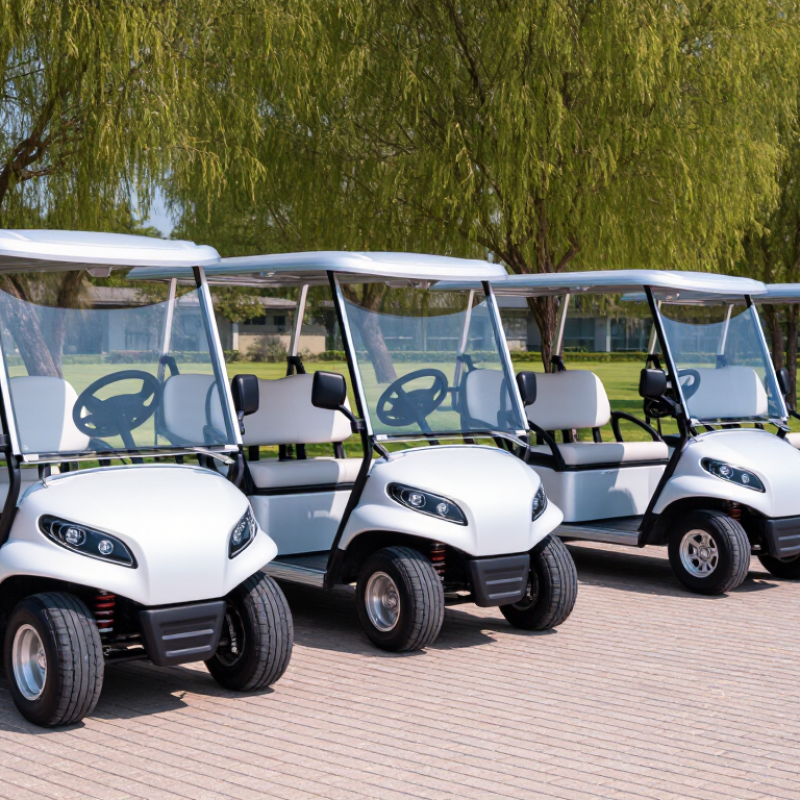
Understanding China's 4-Passenger Electric Golf Cart Market
China’s four-passenger electric golf cart market is expanding beyond traditional golf courses. Grand View Research estimated the global golf cart market at about USD 1.6 billion in 2023, with growth expected through 2030. Asia-Pacific remains a major production and consumption region. However, most reports combine two-, four-, and six-passenger vehicles. Exact four-passenger figures are still limited.
That matters when comparing China’s top ten manufacturers. A serious evaluation should examine battery chemistry, motor efficiency, frame strength, braking distance, and after-sales support. Four passengers create greater load demand. A 48-volt system may suit short resort routes, while lithium batteries can reduce charging time and vehicle weight. Fortune Business Insights also identifies electrification and low-maintenance transport as key market drivers. The figures differ between reports, mainly because some include utility carts and neighborhood vehicles.
Look closely at factory evidence. Ask for continuous-load testing, waterproofing records, controller specifications, and spare-parts lead times. A quiet motor is useful, but hill performance is more revealing. Some suppliers publish impressive range claims under light loads. Real routes include slopes, passengers, luggage, and frequent stops. Range can fall sharply. This is where market comparisons become imperfect, and buyers should request test data from independent inspections. Local service networks, warranty terms, and charger compatibility often separate reliable manufacturers from merely low-cost exporters.
Criteria for Evaluating Chinese Golf Cart Manufacturers
When researching China’s top 10 four-passenger electric golf cart manufacturers, rankings should begin with evidence, not attractive brochures. A credible supplier should show factory experience, production capacity, and clear quality-control procedures. Ask how frames are welded, painted, and inspected before assembly. Request battery certificates, motor specifications, charger details, and documented range tests. A useful test includes four adults, a measured route, moderate slopes, and repeated stops. Claimed range can shrink quickly in real conditions. That matters.
Evaluate safety and reliability through practical details. Check braking performance, steering response, suspension strength, tire quality, lighting, and emergency controls. Confirm the cart’s payload rating, turning radius, ground clearance, and hill-climbing ability. For fleet buyers, inspect spare-part availability, warranty language, technician training, and response times. Strong manufacturers provide traceable serial numbers and inspection records. They also explain what their warranty excludes. That honesty is valuable.
Tips: Compare at least three factories using the same checklist. Request videos, but treat them as supporting evidence. A live inspection or independent pre-shipment check is stronger. Verify whether testing matches your destination’s climate and terrain. Do not select the lowest quotation automatically. I have seen low prices hide weak after-sales planning. Still, even careful evaluations can miss small assembly defects. Recheck the details.
Profiles of 10 Chinese 4-Passenger Golf Cart Manufacturers
Profiles of ten Chinese four-passenger golf cart manufacturers should compare more than exterior styling. A useful review checks passenger capacity, battery chemistry, motor rating, braking design, and quoted range. Buyers should also inspect frame welds, seat-belt provisions, roof support, and the clarity of the parts catalogue. Small details matter. A loose seat fastener can become a daily annoyance.
Market context helps, but it is not proof of product quality. Grand View Research estimated the global golf cart market at about US$1.9 billion in 2023 and forecast growth through 2030. That estimate covers varied cart types and uses, so it should not be treated as a sales figure for Chinese four-seat models. In each profile, compare documented specifications with test conditions: passenger and cargo load, terrain, temperature, and speed can change real-world range substantially.
A credible manufacturer profile should identify export experience, production capabilities, quality-control procedures, warranty terms, and access to replacement parts. Request dated test records and confirm whether stated range reflects a full four-person load. One weakness in many online listings is limited disclosure of testing methods. This deserves scrutiny. Factory photos alone cannot confirm battery performance or after-sales support; independent inspection and written documentation offer stronger evidence.
Comparing Models, Batteries, Features, and Customization
China Top 10 4 Passenger Electric Golf Cart Manufacturers?
Comparing Models, Batteries, Features, and Customization
A four-passenger electric golf cart should be judged by daily use, not appearance. Grand View Research estimates the global golf cart market will expand steadily through 2030, driven by resort, community, and utility applications. This growth makes model comparison more important.
Lead-acid batteries usually cost less and remain familiar to technicians. Lithium-ion batteries offer lower weight, faster charging, and stronger performance on slopes. BloombergNEF reported an average lithium-ion battery pack price of about $115 per kWh in 2024. That figure covers wider electric vehicles, not golf carts, but it shows why battery pricing is changing quickly. A practical comparison should check range, charger quality, warranty coverage, and replacement access. A stylish body cannot fix weak battery support.
Tips: Ask for a tested range with four adults, not an empty-cart estimate. Check the turning radius, ground clearance, seat durability, and braking response. For rough paths, larger tires and independent suspension may matter more than extra lighting. Custom options can include rear seats, cargo boxes, weather covers, USB ports, and safety belts. However, every accessory adds weight. This often reduces range, a detail many sales sheets understate. A complete test drive is still better than a perfect specification table.
How to Select a Manufacturer for Your Requirements
When comparing China’s top ten 4-passenger electric golf cart manufacturers, start with your route, not the catalog. A resort needs quiet comfort; a warehouse needs torque, braking control, and serviceable parts. Define passenger load, payload, slope, daily distance, ground clearance, and charging time. Reported range is often optimistic. Test it under load. BloombergNEF’s 2023 Battery Price Survey reported average lithium-ion pack prices of $139 per kWh, down 14% year on year. This supports comparing battery value, but it does not prove durability.
Ask each shortlisted manufacturer for battery certificates, charger specifications, ingress protection, brake-test records, and a written warranty. ISO 9001 registration can indicate process discipline, yet it cannot replace product inspection. Request a video of a loaded cart climbing your actual gradient. Better still, inspect a production sample before final payment. Check whether replacement controllers, tires, and battery modules are stocked near your market. The International Energy Agency’s Global EV Outlook 2024 highlights continuing battery and charging investment, but golf-cart support remains highly local. That gap matters.
Evaluate ten suppliers with the same scorecard: safety, range under load, corrosion protection, customization, lead time, warranty response, and total cost. Do not reward decorative options too early. Seat stitching is visible; thermal protection is more important. Independent lab reports deserve more weight than showroom claims. Still, reports have limits: test cycles may not match hot, wet, or hilly operating conditions. Ask for references from similar sites, then verify service response directly. Record every answer.
FAQS
Ask for dated test records, battery certificates, motor specifications, charger details, and inspection procedures. Factory photos alone prove little.
Request a measured test with four adults, cargo, moderate slopes, and repeated stops. Empty-cart estimates can be misleading.
Check braking, steering, suspension, tires, lighting, roof support, and seat-belt provisions. Try the brakes yourself.
Confirm spare-part access, warranty exclusions, technician training, and response times. Written answers are easier to compare.
Lead-acid batteries generally cost less and are familiar to technicians. Lithium-ion batteries weigh less and often charge faster.
Larger tires, strong suspension, good ground clearance, and reliable braking may matter more than extra lighting.
Yes. Rear seats, cargo boxes, and other accessories add weight, which can reduce range. Test the finished configuration.
Use the same checklist with at least three factories. A live inspection or independent pre-shipment check offers stronger evidence.
No. Market estimates describe broad trends, not a specific cart’s performance or a factory’s reliability.
It can. Small assembly issues may escape inspection, so recheck fasteners, records, and key components before delivery.
Conclusion
China’s 4 Passenger Electric Golf Cart market is developing rapidly, supported by growing demand from resorts, residential communities, campuses, industrial parks, and transportation services. This article explains the key factors buyers should consider when evaluating Chinese manufacturers, including production capabilities, quality control, safety standards, battery options, driving range, charging systems, after-sales support, and export experience. It also presents profiles of ten representative manufacturers without focusing on brand promotion, helping readers understand the diversity of suppliers and product configurations available.
The comparison covers vehicle design, motor performance, battery chemistry, seating comfort, suspension, weather protection, smart features, customization possibilities, and expected maintenance requirements. Finally, the article provides a practical selection framework based on passenger capacity, operating environment, budget, delivery needs, compliance expectations, and long-term service. By reviewing these considerations systematically, buyers can identify a reliable 4 Passenger Electric Golf Cart manufacturer that matches their operational goals and provides suitable value, durability, and support.