Lifted Electric Golf Carts have moved beyond quiet golf courses and into neighborhoods, campgrounds, farms, and private properties. Their raised suspension creates extra ground clearance for uneven paths, shallow ruts, and loose gravel. Larger tires can also improve traction and give the vehicle a stronger outdoor presence. That visual appeal matters. Owners often want transportation that feels practical but still reflects personal style.
In real use, the advantages depend on careful setup. A properly matched lift kit, compatible wheels, and correctly adjusted steering components can improve control and ride comfort. Manufacturer specifications should guide every modification, especially when selecting batteries, chargers, brakes, and suspension parts. Experienced technicians can identify problems that casual upgrades may hide. A cart that looks impressive may still handle poorly if its weight balance changes.
The electric powertrain adds another reason for growing interest. It operates quietly, produces no tailpipe emissions during use, and usually requires less routine servicing than a small gasoline engine. Charging remains a practical concern, particularly for owners who travel across larger properties. Battery condition, charging habits, and terrain strongly influence range.
They are not perfect.
Some lifted models feel less stable on steep slopes or sharp turns. Higher clearance may also increase body movement and tire wear. These details are easy to overlook when appearance becomes the main goal. Reliable ownership requires regular inspections, sensible speeds, and honest attention to manufacturer guidance. The popularity of Lifted Electric Golf Carts comes from their balance of utility, customization, and quiet performance, but informed choices matter more than aggressive styling.
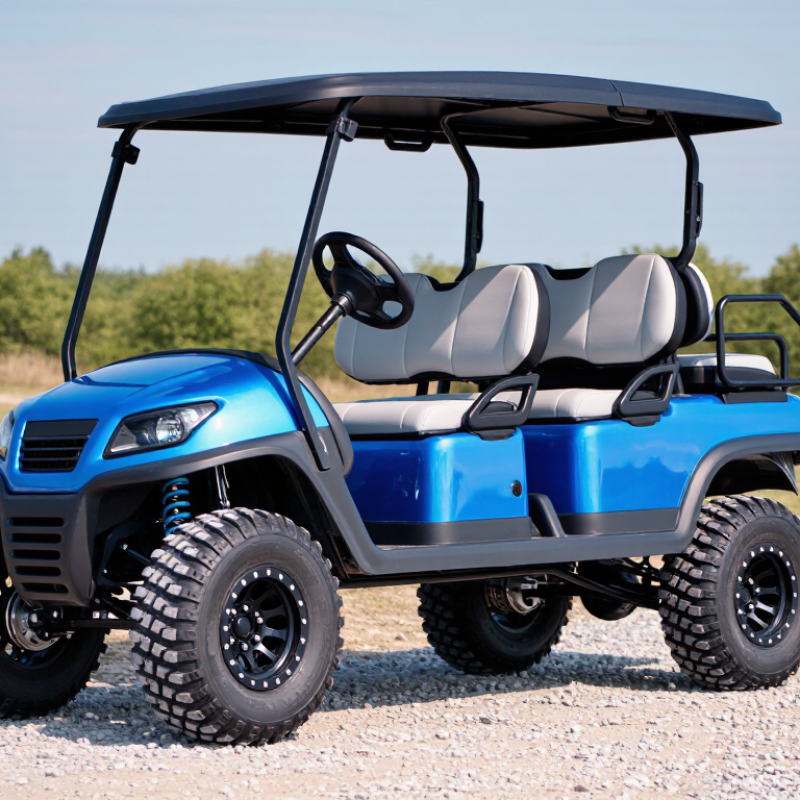
A lifted electric golf cart has more ground clearance than a standard cart. Its suspension is raised, often with larger tires and stronger wheel components. This design helps the cart cross gravel, grass, and shallow ruts more comfortably. The electric drivetrain keeps the ride quiet and produces immediate torque at low speeds. It also makes neighborhood travel feel less bulky than using a full-size vehicle. Still, a lift kit does not automatically improve every cart’s handling.
The higher stance changes the driving experience. Steering can feel different, especially on uneven paths or tight turns. Larger tires may reduce acceleration and increase energy use. During routine inspections, I would check tire pressure, suspension joints, steering response, and battery condition. These details matter more than appearance. A poorly matched lift system can create vibration, uneven tire wear, or weak braking performance. That trade-off is easy to underestimate.
Tips: Choose components designed to work together. Confirm the cart’s recommended load limit. Test the brakes on a flat, quiet surface before regular use. Keep heavy cargo low and centered. Inspect loose bolts after the first few rides. Local access rules may also apply, so verify them before driving on public roads. Looks are persuasive. Mechanical balance matters more.
Why Are Lifted Electric Golf Carts So Popular?
Lifted electric golf carts offer more than a taller appearance. Their extra ground clearance helps tires pass over roots, gravel, shallow ruts, and uneven property entrances. A standard cart may scrape its underside on a rough trail. A lifted model creates more space beneath the chassis, improving mobility across mixed terrain. This matters as golf carts move beyond courses and serve farms, resorts, campuses, and private communities.
The market is expanding. The National Golf Foundation reported 41.1 million Americans played golf on-course or off-course in 2023. That wider recreational use supports demand for adaptable electric vehicles. Grand View Research also estimated the global golf cart market at about USD 1.75 billion in 2023, with continued growth expected through the decade. These figures do not prove that lifting alone drives sales. Still, they show a larger audience seeking versatile transport.
Technicians should inspect more than clearance. Lifted suspension can raise the center of gravity, alter steering geometry, and increase body movement during sharp turns. Larger tires may also reduce acceleration and increase motor load. Small details matter. Correct alignment, tire pressure, braking performance, and fastener torque require regular checks. In field use, a lifted cart can feel safer over rough ground, but it may feel less stable on steep slopes. That trade-off is easy to overlook. A careful setup should match the terrain, payload, and expected speed, rather than focus only on visual height.
Lifted designs raise the chassis and typically allow larger tires, increasing ground clearance and improving mobility over uneven paths, grass, gravel, and light obstacles.
The values show representative typical midpoints in centimeters. Actual clearance varies with suspension, tire size, payload, and terrain.
In practical field use, lifted electric golf carts offer more than a distinctive appearance. A raised chassis creates extra clearance over roots, gravel, and shallow ruts. Larger tires can improve traction on uneven recreational paths. Rough grass feels less challenging. However, added height may affect cornering, braking, and battery efficiency. Drivers should reduce speed on slopes and check tire pressure regularly. A professional inspection is wise after installing suspension or wheel upgrades.
For neighborhood transportation, the higher seating position improves visibility around parked vehicles and narrow lanes. Many users appreciate the comfortable entry height and open cabin. Yet, these carts are not automatically road legal everywhere. Local requirements may include lights, mirrors, seat belts, speed limits, or registration. Operators should verify the rules before using public roads. That small step prevents expensive mistakes.
Utility work is another strong reason for their popularity. On a property, a lifted cart can carry tools, feed bags, gardening supplies, or a small trailer. Extra clearance helps when crossing muddy ground near sheds or fields. Electric power also produces less noise during early maintenance work. Still, heavy loads can reduce range and increase stopping distance. Owners should respect the cart’s rated capacity and inspect brakes, steering, suspension, and battery connections. Some owners focus too much on appearance. In daily use, reliability matters more.
Lifted electric golf carts are popular because they handle uneven ground better than standard models. Extra ground clearance helps them cross gravel, grass, and shallow ruts with less scraping. The raised suspension also creates a more commanding driving position. However, a taller stance can reduce stability during sharp turns. That trade-off matters. Wheel size, tire tread, and suspension height should match the terrain, not just appearance.
Customization usually begins with seating, storage, lighting, and weather protection. A two-seat layout preserves cargo space, while four seats suit neighborhood trips and family use. Wider tires can improve traction, but they may increase steering effort and reduce battery range. Deep-tread tires also create more road noise. Small details matter, such as a secure storage box, washable floor mats, and a windshield that resists glare. Use cases should guide every choice.
Performance depends on more than the motor. Added lift kits, passengers, and heavy accessories increase the vehicle’s total load. That extra weight can lengthen braking distance and strain suspension parts. Battery condition, tire pressure, and brake adjustment deserve regular checks. Electric range can fall noticeably on hills or soft ground. A common mistake is choosing maximum lift without upgrading related components. It looks impressive, but the handling may feel vague. Reconsider the full system: steering, brakes, suspension, wheels, and electrical capacity must work together. An occasional inspection by a qualified technician can reveal loose fasteners or uneven tire wear before they become expensive problems.
Lifted electric golf carts remain popular because they clear uneven paths, gravel, and deep grass more easily. The National Golf Foundation reported 531 million U.S. golf rounds in 2023. That volume reflects continued demand for practical course transport. However, a lift does not automatically improve safety. It raises the center of gravity. Sharp turns may then feel top-heavy, especially with passengers or cargo.
The U.S. Consumer Product Safety Commission identifies rollovers, falls, and collisions as recurring golf-cart injury mechanisms. Owners should inspect steering joints, brake cables, wheel alignment, tire pressure, and lift-kit fasteners regularly.
Loose hardware can create vague steering within a few minutes of driving. Battery charging also needs ventilation, correct charger settings, and undamaged cables. Follow the battery maker’s service schedule, even when it feels excessive.
Legal classification matters. Under NHTSA Federal Motor Vehicle Safety Standard 500, a low-speed vehicle generally travels between 20 and 25 mph and requires equipment such as lamps, mirrors, seat belts, and a parking brake.
A lifted cart may not meet those requirements automatically. State and local rules can require registration, insurance, approved roads, or additional safety equipment.
Road access may also depend on posted speed limits. Check local transport offices before modifying the cart. Clearance is useful. Compliance is less visible.
It has raised suspension, extra ground clearance, and often larger tires. It crosses gravel, grass, and shallow ruts more comfortably. The stance is higher.
They provide quiet travel and immediate low-speed torque. The raised position can feel useful on uneven paths. However, appearance can persuade buyers too easily.
No. A higher center of gravity can make sharp turns feel top-heavy. Steering may also feel different on uneven ground. More clearance is not always more control.
Larger tires may reduce acceleration and increase energy use. Deep tread can add road noise. Extra seats, storage, and lighting also increase total weight.
Match the lift, wheels, tires, steering, brakes, and suspension. Confirm the recommended load limit. Maximum lift may look impressive but create vague handling.
Inspect tire pressure, steering joints, brake adjustment, wheel alignment, and loose fasteners. Check battery condition and charging cables. Small hardware problems can grow quickly.
Keep heavy cargo low and centered. Test the brakes on a flat, quiet surface. Drive slowly through turns, especially with passengers. I would inspect after the first few rides.
Not automatically. Local rules may require registration, insurance, lamps, mirrors, seat belts, or a parking brake. Check transport authorities before driving beyond private property. The rules vary.
Lifted Electric Golf Carts are electric carts modified with raised suspension, larger tires, and increased ground clearance. This design allows them to travel more comfortably over grass, gravel, uneven paths, and light off-road terrain while improving visibility and overall mobility. Their quiet electric operation also makes them suitable for recreation, neighborhood transportation, property management, and utility tasks.
Their popularity comes from the balance of practicality, comfort, and customization. Owners can select different seating layouts, storage solutions, lighting, tires, suspension components, and power systems according to their intended use. However, performance should be matched to the cart’s weight, terrain, battery capacity, and braking ability. Regular inspections of tires, steering, suspension, brakes, batteries, and electrical connections are essential, especially after frequent use on rough surfaces. Users should also consider occupant protection, responsible driving habits, local equipment requirements, and whether the cart is permitted on specific roads or public areas before operating it.