Electric Vehicle Manufacturing & Global Export  |  OEM · ODM · Dealer Programs
0%

Across busy neighborhoods, campuses, resorts, and planned communities, transportation is changing in practical ways. Street Legal Low Speed Vehicles offer a compact option for short daily journeys. They can carry people, groceries, tools, or small deliveries without the size of a conventional car. Picture a quiet vehicle moving between local shops, with enough space for bags and clear visibility at intersections.

Their appeal is not only about fuel savings or lower operating costs. These vehicles may reduce congestion, simplify parking, and support cleaner mobility when used for suitable distances. Many models also provide weather protection, seat belts, lighting, mirrors, and other equipment designed for road use. However, features and legal requirements differ widely. A vehicle approved in one region may need changes, registration, insurance, or additional testing elsewhere.

That detail matters.

Choosing responsibly requires more than comparing battery range or purchase price. Buyers should check local speed limits, permitted roads, charging access, passenger capacity, safety equipment, and maintenance support. Manufacturer specifications are useful, but independent inspection and guidance from local transport authorities provide stronger confidence. Real-world experience also reveals limitations, such as reduced range in cold weather or slower travel on steep roads. This article examines why Street Legal Low Speed Vehicles are gaining attention worldwide, while acknowledging that they are not suitable for every route, climate, or household. Their value depends on honest expectations, careful planning, and compliance with applicable laws.
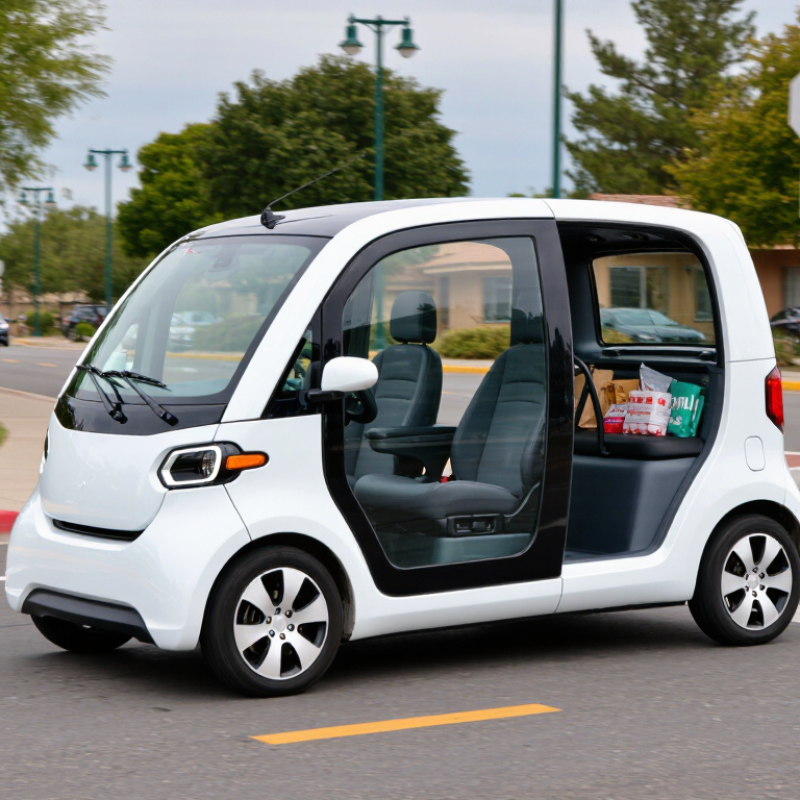
Why Choose Street Legal Low Speed Vehicles Worldwide?

What Defines a Street-Legal Low-Speed Vehicle?

A street-legal low-speed vehicle is defined by measurable limits, not appearance. In the United States, the National Highway Traffic Safety Administration’s Federal Motor Vehicle Safety Standard No. 500 classifies an LSV as a four-wheeled vehicle with a top speed above 20 mph and below 25 mph. It also requires equipment such as headlamps, stop lamps, turn signals, mirrors, seat belts, and a windshield.

The details change across borders. European and Asian jurisdictions may use different speed thresholds, approval procedures, lighting rules, and road-access limits. Registration, insurance, braking performance, and occupant protection can also determine legality. A quiet vehicle with a covered cabin is not automatically street legal. Check the local authority’s technical requirements.

Real-world suitability matters too. The International Energy Agency reported that global electric car sales approached 14 million in 2023, showing strong interest in efficient electric mobility. However, that figure covers passenger cars, not low-speed vehicles specifically. The distinction is important. A compact vehicle may work well on a 35 km/h neighborhood route but feel exposed beside heavy traffic. It may also require charging access near homes, campuses, resorts, or industrial sites.

The boundary is not perfectly intuitive. Operators sometimes focus on speed and overlook lighting, mirrors, or registration. That is a practical weakness. A reliable assessment combines the vehicle specification sheet, road classification, local enforcement guidance, and daily route conditions. NHTSA’s standard provides a useful reference, but worldwide compliance still depends on the jurisdiction where the vehicle operates.

How Low-Speed Vehicle Laws Differ Around the World

Street-legal low-speed vehicles can look similar, yet their legal treatment changes sharply across borders. In the United States, many jurisdictions classify them by top speed, equipment, and road access. A vehicle may need lights, mirrors, seat belts, a windshield, and a vehicle identification number. Local rules can still limit use to roads below posted speed thresholds. Check the municipal code.

Across Europe, national and regional systems often use vehicle categories, type approval, registration, and driving-licence rules. A vehicle accepted in one country may require different lighting, braking tests, or insurance elsewhere. Some areas permit low-speed models on urban streets but restrict motorways and high-speed routes.

In parts of Asia and Oceania, registration, helmet use, age limits, and road classification may also vary. Even neighboring cities can interpret access differently. This is where assumptions fail.

Practical compliance work suggests starting with the authority that registers the vehicle, not the seller’s brochure. Ask for written confirmation of speed limits, permitted roads, parking rules, inspection duties, and insurance coverage. Keep technical documents translated when crossing borders. Regulations change. Owners sometimes confuse “road legal” with “legal everywhere.” That phrase is too broad. A careful review should include motor specifications, passenger capacity, and seasonal restrictions. Official guidance may be incomplete, and local enforcement can reveal gaps in otherwise reasonable planning.

Key Safety and Environmental Benefits

Why Choose Street Legal Low Speed Vehicles Worldwide?

Key Safety and Environmental Benefits

Street legal low speed vehicles can make short urban trips calmer and more controlled. Their lower operating speeds may reduce crash severity on suitable local roads. However, speed alone does not guarantee safety. Occupants still need seat belts, clear visibility, working lights, mirrors, and reliable brakes. A responsible operator checks tire pressure before leaving, especially after the vehicle sits overnight. Some models also include enclosed cabins, windscreen wipers, and reinforced seating areas for changing weather. Equipment requirements vary widely, so owners should follow local approval rules and road restrictions.

Environmental performance is another practical advantage. An electric low speed vehicle produces no tailpipe emissions during use. This can improve air quality near schools, residential streets, and busy pedestrian areas. It also creates less road noise, allowing drivers to notice bicycles, children, and approaching vehicles more easily. Yet the environmental story is not perfect. Battery production uses energy and raw materials, while electricity may come from fossil fuels. Charging with cleaner electricity and maintaining the battery properly can reduce its lifetime impact. Smaller vehicles also require fewer materials than many full-size cars, but that benefit depends on real usage.

Short trips suit them best. Driving one for a long highway journey would be inappropriate and potentially unsafe where regulations prohibit it. Local authorities, engineers, and transport researchers should assess road design before encouraging wider adoption. Practical experience matters: a narrow vehicle may fit tight streets, but limited storage can frustrate families. Users should test visibility, turning space, weather protection, and emergency access before purchase.

Common Uses in Urban and Community Transportation

Why Choose Street Legal Low Speed Vehicles Worldwide?

Common Uses in Urban and Community Transportation

In many cities, street legal low speed vehicles fill the gap between walking and full-size car travel. They suit short trips through neighborhoods, campuses, retirement communities, and mixed-use districts. Their compact bodies fit narrow lanes and reduce pressure on crowded parking areas. That matters during busy market hours.

Community transport teams often use them for scheduled rides between housing, clinics, libraries, and local shops. Small luggage areas can carry groceries, parcels, or basic maintenance tools. Municipal workers may also use them for park inspections and public-space services. The trips are usually practical, not dramatic.

Their value depends on careful local planning. Street access, speed limits, lighting, seat belts, registration, insurance, and driver requirements differ widely. A vehicle legal in one region may need changes elsewhere. Operators should check current regulations before purchase or daily use. Safety training still matters, even at low speeds.

From field experience, these vehicles feel calm on short routes. They are easier to approach than large buses for some older passengers. However, weather protection, charging access, and limited range can create real problems. The fit is not perfect. Some communities may need fixed-route buses instead. A thoughtful trial, passenger feedback, and maintenance records can reveal whether low speed transport truly serves local needs.

Factors to Consider Before Choosing One

Choosing a street legal low speed vehicle requires more than comparing its appearance or advertised range. Start with your daily route, including hills, traffic levels, weather, and parking space. A vehicle that feels practical near home may become uncomfortable on a longer commute.

Check the permitted roads and speed limits in your area before paying a deposit.

Requirements can differ between countries, regions, and even neighboring towns. Ask the seller for clear documentation covering registration, lighting, mirrors, seat belts, braking performance, and occupant limits. Confirm whether a standard driving licence, insurance policy, or inspection is required.

Do not rely on verbal promises. Written evidence matters.

Battery performance deserves careful attention.

Cold mornings, steep roads, passenger weight, and frequent stops can reduce the usable range. Leave a safety margin instead of planning every trip around the maximum figure. Charging access is equally important; measure the distance from the parking space to the nearest suitable outlet.

Small details matter. Inspect the tyres, suspension, windshield, and wiper operation during a real test drive. Listen for unusual vibration over rough pavement.

It is easy to focus on quiet running and miss poor visibility or limited storage. I would also question repair availability, spare-part delivery times, and warranty exclusions.

The ideal vehicle is not simply the fastest or cheapest option. It should fit your roads, routine, climate, and ability to maintain it responsibly.

FAQS

What is a street-legal low-speed vehicle?

It is a four-wheeled vehicle designed for limited-speed roads. In the United States, its speed usually exceeds 20 mph but stays below 25 mph. Required equipment may include lamps, mirrors, seat belts, and a windshield. Appearance alone proves nothing.

Does street legality apply everywhere?

No. Rules vary between countries, regions, and neighboring towns. Authorities may set different speed limits, registration steps, lighting rules, and insurance requirements. A vehicle approved in one place may need further testing elsewhere. “Legal everywhere” is usually an unsafe assumption.

Which roads can a low-speed vehicle use?

Road access depends on local classifications and posted speed limits. Some towns allow neighborhood streets but restrict high-speed routes and motorways. Check the local traffic code before purchasing. A short route may still include one unsuitable road.

What documents should buyers request?

Request written details about registration, identification numbers, braking, lighting, mirrors, and passenger limits. Confirm licence, insurance, inspection, and parking requirements. Do not depend on a salesperson’s verbal promise. Paperwork can reveal inconvenient limits.

How should daily travel affect the choice?

Map your normal route, including hills, traffic, weather, and parking space. A quiet vehicle may feel comfortable near home but exposed beside heavy traffic. Test the actual route if possible. The brochure cannot feel potholes for you.

What reduces usable battery range?

Cold mornings, steep streets, extra passengers, and repeated stops can reduce practical range. Leave a safety margin instead of using the maximum advertised distance. Plan charging near your parking space. Maximum range is not everyday range.

What should a test drive examine?

Inspect the tyres, suspension, windshield, wipers, mirrors, and storage area. Listen for vibration on rough pavement. Check visibility while turning and braking. I might overlook small faults during a short drive. Take another look.

What maintenance questions deserve attention?

Ask about repair locations, spare-part delivery times, warranty exclusions, and battery servicing. Confirm who handles inspections and technical problems. A low purchase price may hide delays later. Convenience matters more than quiet running.

Conclusion

Street Legal Low Speed Vehicles are compact, efficient transportation options designed for approved roads and moderate travel speeds. Their defining features may include a limited top speed, required safety equipment, proper lighting, seat belts, mirrors, and registration or insurance requirements, depending on local regulations. Because laws differ worldwide, drivers should confirm where these vehicles can operate, which permits may be needed, and whether age, road, or passenger restrictions apply in their area.

These vehicles can support safer, quieter, and more environmentally conscious travel by reducing congestion, fuel use, and emissions on short trips. They are commonly used in residential communities, campuses, resorts, planned neighborhoods, and urban areas with suitable road networks. Before choosing one, buyers should evaluate local legal requirements, range, charging or fuel needs, weather protection, passenger capacity, maintenance, storage, and overall safety features. A careful comparison helps ensure the vehicle matches both daily transportation needs and the rules of the intended community.

Clara

Clara

Clara is a professional marketing specialist with a deep understanding of the company’s products, services, and customer-focused approach. With a strong background in market research, content strategy, and digital communication, she transforms complex product information into clear, practical, and......