Industrial-Grade Vehicle Vision Systems, AHD 1080P Optics & AI-Powered Blind Spot Detection for Global OEMs and Fleet Operators
OEM & ODM Portfolio
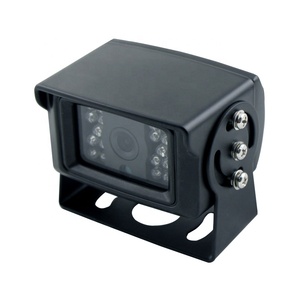
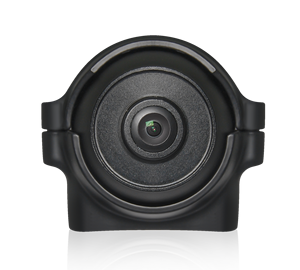
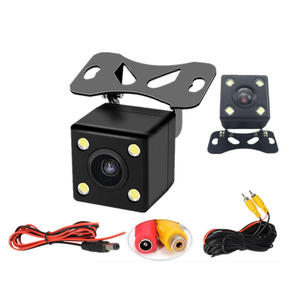
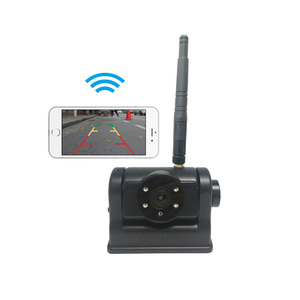
Featured CE-Certified Commercial & Automotive Backup Cameras
Rigorous ECE R10 and CE compliant reversing vision systems engineered for extreme thermal endurance, IP68/IP69K ingress protection, and low-latency optical clarity.
Engineering Safety: The Technical Architecture of CE Certified Commercial Backup Cameras
A detailed technical blueprint for automotive procurement officers, fleet engineers, and tier-1 system integrators evaluating vehicle safety electronics.
1. CE Compliance Directives & Electromagnetic Compatibility (EMC)
Securing a genuine CE Certification for automotive backup cameras requires far more than surface-level assembly. In commercial transport applications, vehicle safety cameras operate inside demanding electrical ecosystems prone to voltage spikes, load dumps, and high radio-frequency interference (RFI). A market-ready backup camera must fully satisfy European Union EMC directives, specifically EN 55032 / EN 55035 and the stringent ECE Regulation 10 (ECE R10).
As a specialized manufacturer, our optical platforms integrate multi-stage transient voltage suppression (TVS) diodes and low-pass LC filters directly onto the main printed circuit board (PCB). This prevents onboard electromagnetic noise generated by heavy diesel alternators, CAN-bus networks, or electric vehicle (EV) traction inverters from degrading video signal stability or disrupting neighboring vehicle control units (ECUs).
Regulatory Standard
Compliance Scope
Technical Benchmark / Engineering Metric
EN 55032 / CISPR 32
Electromagnetic Emissions
Class B limits for radiated and conducted emissions (30 MHz to 1 GHz).
ECE R10 (Rev. 6)
UN/ECE Automotive Electromagnetic Compatibility
Immunity against high-intensity radiated fields (ISO 11452-2) up to 100 V/m.
ISO 7637-2 / ISO 16750-2
Electrical Transient & Load Dump Protection
Surge protection against Pulse 1, 2a, 2b, 3a, 3b, and Pulse 5b load dump spikes.
2. Optical Sensor Technology: AHD 1080P vs. Starlight Night Vision
Commercial fleets operating across agricultural zones, logistics hubs, and urban transit routes demand superior image fidelity under pitch-black ambient conditions. Legacy CVBS (composite video) camera systems featuring 480 TV lines are rapidly being phased out due to pixelation and inadequate detail during reversing maneuvers.
Modern CE-certified supply chains rely on Analog High Definition (AHD 1080P) and advanced CMOS sensors such as the Sony Starvis / Starlight series. By employing back-illuminated pixel architecture and high dynamic range (HDR) algorithms, these sensors maintain 0.0001 Lux ultra-low-light visibility, allowing drivers to distinguish structural hazards, cargo docks, and pedestrians without relying solely on blinding IR illumination arrays.
Wide Dynamic Range (WDR): Suppresses glare caused by headlights of trailing vehicles while amplifying shadows in dark loading bays.
Zero-Latency Analog Signal Transmission: Transmits uncompressed 1080P raw video over 75-3 coaxial cabling up to 500 meters without frame drops or encoding lag.
Anti-Distortion Optical Elements: Custom 6-layer glass (6G) lens assemblies engineered with IR-cut filters ensure color fidelity and eliminate thermal focus drift (-40°C to +85°C).
Market Intelligence & Roadmap
Future Procurement Trends in Vehicle Vision & Safety Systems
How technological convergence is shifting B2B buyer requirements toward intelligent, connected, and multi-sensor safety platforms.
AI BSD Pedestrian Detection
Procurement is rapidly migrating from passive cameras to active AI Blind Spot Detection (BSD) units. Embedded neural processing units (NPU) run real-time computer vision models to track Vulnerable Road Users (VRUs) and deliver immediate visual/audible cab alerts.
Frequency Hopping Digital Wireless
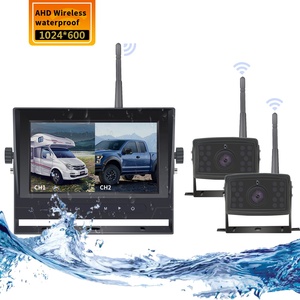
For articulated trailers, agricultural tractors, and construction vehicles where cable routing is cost-prohibitive, 2.4GHz Frequency-Hopping Spread Spectrum (FHSS) digital wireless setups offer encryption and immunity against industrial signal jamming.
IP69K Thermal Shock Potting
Commercial fleet buyers now demand IP69K sealing rather than standard IP67. Advanced manufacturing utilizes dual-component polyurethane optical potting to protect internal circuitry against high-pressure steam cleaning and extreme thermal cycling.
Choosing the right export partner goes beyond off-the-shelf product catalogs. As a tier-1 recognized enterprise backup camera supplier, our modern 15,000 m² automated production facility ensures end-to-end quality control from surface-mount technology (SMT) component placement to environmental stress testing.
Automated Cleanroom SMT Lines
High-precision Panasonic and Yamaha SMT placement equipment guarantees zero solder-bridging errors on multi-layer automotive PCBs, ensuring stable RF shielding and thermal dissipation.
100% Submersion & Burn-in Testing
Every camera batch undergoes a 24-hour water immersion test, a 48-hour continuous power burn-in, and 3D vibration table testing to eliminate early life failures (ELF).
OEM Customization Flexibility
From private-label housing dies, custom cable lengths, and aviation 4-pin connector wiring to customized firmware splash screens and dynamic parking line overlays.
Complete Regulatory Documentation
Full export compliance documentation including CE Declaration of Conformity (DoC), E-Mark (E9/E13/E24) certificates, FCC reports, RoHS 2.0, and REACH disclosures.
B2B Buyer Knowledge Base
Frequently Asked Questions for Global Importers & Integrators
Addressing critical technical, compliance, and logistical inquiries regarding commercial backup camera sourcing.
What specific standards must a backup camera meet to be legally CE certified in Europe?
To display a valid CE mark, an automotive backup camera must comply with the EMC Directive 2014/30/EU, primarily tested under EN 55032 for electromagnetic emissions and EN 55035 for immunity. Furthermore, for direct installation on commercial vehicles in the EU, alignment with UN/ECE Regulation 10 (ECE R10) is mandatory to guarantee that the camera does not interfere with critical onboard electronics such as ABS, airbags, or engine control systems.
What is the difference between IP68 and IP69K ratings in commercial vehicle cameras?
IP68 rating guarantees continuous protection against water immersion under specified pressures (typically up to 1.5 to 2 meters for 24 hours). IP69K is the highest ingress protection rating available under German standard DIN 40050-9. It verifies that the camera can withstand high-pressure (80–100 bar), high-temperature (+80°C) washdown jets used during professional truck, bus, and sanitation vehicle cleaning.
How do wide-voltage input modules (9-36V) protect heavy-duty vehicle electronics?
Heavy commercial trucks and buses utilize 24V electrical architectures that experience severe voltage fluctuations during engine ignition or hydraulic operation (ranging from 11V during cranking to 32V during charging). Our integrated DC-DC wide-voltage regulators step down fluctuating input power to a stable internal 3.3V/5V operating voltage while isolating the optical board from voltage spikes up to 100V.
Why choose AHD 1080P analog signal transmission over standard IP network cameras for reversing?
While IP cameras excel in stationary surveillance, they introduce video compression latency (often 200ms to 500ms). At reversing speeds, a 300ms delay means a vehicle travels several feet before the driver sees an obstacle on screen. AHD 1080P transmits uncompressed zero-latency video directly to the dashboard monitor, providing real-time visual feedback essential for safety.
What custom OEM options are available for volume B2B purchases?
We provide comprehensive OEM/ODM solutions including customized metal toolings, tailored field-of-view (FOV) angles (from 90° pinhole to 165° wide-angle fisheye), specialized lens focal lengths (1.44mm, 2.8mm, 3.6mm), custom wire harness pinouts (4-pin aviation, RCA, BMW 6-pin), custom branding, and specialized packaging designs optimized for container freight.
What lead times and Minimum Order Quantities (MOQ) apply to OEM camera orders?
Standard catalog models maintain a flexible low MOQ starting at 50 units for fleet trial evaluations. Customized OEM orders typically require an MOQ of 500 units. Standard production lead time is 15 to 20 working days following final sample validation, supported by expedited air or sea freight shipping options worldwide.
Partner with a Global CE Backup Camera Manufacturer
Accelerate your product launch with verified CE, E-Mark, and IP69K vision systems. Contact our engineering team today for technical specs, custom OEM quotes, and evaluation samples.