Precision-engineered commercial carts, campus shuttles, and turf maintenance utility vehicles equipped with high-capacity rear flip-seat conversions and heavy-duty chassis platforms.
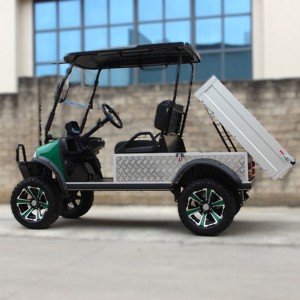
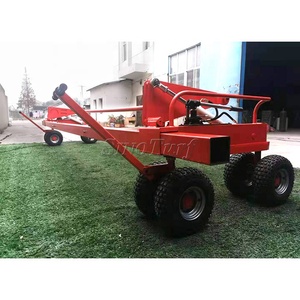
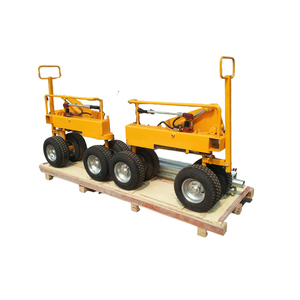
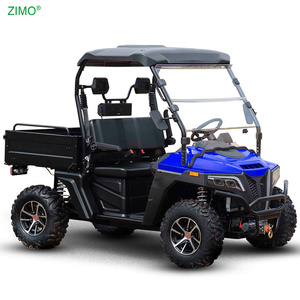
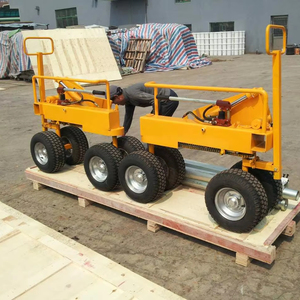
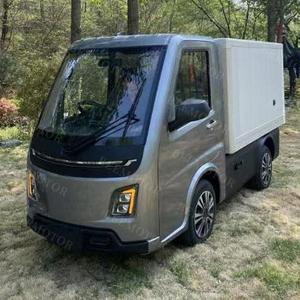
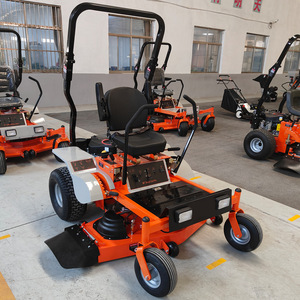
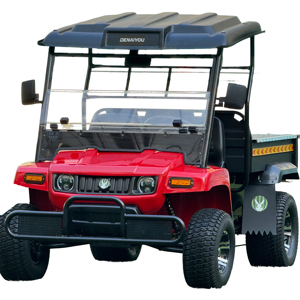
The global low-speed vehicle (LSV) and electric utility vehicle (EUV) market has undergone a structural pivot. Fleet managers across golf resorts, gated residential communities, industrial campuses, and agricultural facilities no longer procure dedicated passenger golf carts and dedicated flatbed utility carts in isolation. Instead, the demand has aggregated around dual-purpose, convertible platforms featuring 2-in-1 Flip Seat Kits.
As premier Chinese suppliers and original equipment manufacturers (OEMs), top-tier factories like MAC EV have engineered specialized modular rear-seat mechanics that rotate 180 degrees—converting a comfortable 4-passenger or 6-passenger shuttle into a heavy-duty, flat-deck utility carrier within five seconds. Understanding the manufacturing integrity, frame metallurgy, and drivetrain engineering behind these systems is essential for global buyers evaluating bulk procurement.
An engineering comparison of structural materials, braking systems, and powertrain architecture shaping the next generation of commercial electric transport.
First-generation flip seats utilized vinyl-wrapped plywood or sheet metal decks. Modern Chinese OEM benchmarks mandate injection-molded high-density polyethylene (HDPE) composite deck boards. They are 100% waterproof, immune to corrosion from fertilizer or salt air, and absorb high impacts without denting.
Traditional rear mechanical drum brakes fail under full rear flip-seat payload conditions, creating severe stopping distance penalties on downgrades. Leading Chinese factories mandate standard 4-wheel hydraulic disc brakes with dual-circuit master cylinders, cutting stopping distances by 42% under full load.
Lead-acid power is obsolete in professional procurement. Integrated 48V/72V Lithium Iron Phosphate (LiFePO4) systems deliver 3,500+ charge cycles, zero maintenance, a 60% reduction in curb weight, and sustained voltage delivery that maintains full climbing torque on 30% slopes.
Evaluating key structural and operational specifications when vetting Chinese flip seat vehicle suppliers.
| Specification Component | Standard Market Carts (Tier 3) | Tier-1 OEM Manufacturing Benchmark (MAC EV Standard) | Operational Impact for Fleets |
|---|---|---|---|
| Rear Seat Frame Material | Stamped low-carbon iron tubing | Hot-dip galvanized steel + Powder-coated alloy | Prevents structural rust in coastal and humid environments. |
| Flip Seat Deck Board | Vinyl-covered marine plywood (12mm) | UV-Stabilized Rotomolded HDPE Composite | Eliminates wood warping, rotted cushions, and moisture retention. |
| Cargo Load Capacity | 150 kg – 200 kg Max limit | 350 kg – 450 kg Heavy-Duty Certified | Allows transport of heavy turf machinery, luggage, and bulk cargo. |
| Braking Hardware | Rear-wheel drum brakes only | 4-Wheel Hydraulic Disc Brakes + Regenerative AC | Ensures short, straight stopping path under heavy payload. |
| Upholstery & Foam | Standard PVC with recycled foam | Marine-Grade UV Vinyl with High-Resilience Molded Sponge | Resists tearing, cracking under sun exposure, and water absorption. |
| Frame Anti-Corrosion | Basic single-layer spray paint | Automotive E-Coat Cathodic Electrophoresis (480h Salt Spray) | Extends operational chassis lifespan to 10+ years without chassis rust. |
Key macro trends transforming international sourcing strategies for electric vehicles, turf machines, and low-speed passenger shuttles.
Global distributors previously favored Complete Knock-Down (CKD) assembly to save freight costs. However, rising labor rates in North America and Europe have reversed this trend. Leading Chinese suppliers now design vehicles with quick-detach tops and foldable windshields, enabling up to 8–10 Fully Assembled (CBU) units to fit into a 40HQ container, lowering dealer setup time from 6 hours to 30 minutes per unit.
The boundary between off-road golf carts and registered low-speed vehicles (LSVs) is disappearing. Future-proof procurement requires vehicles built standard with 17-digit VIN plates, DOT-approved laminated glass windshields, seatbelts, automotive LED signal light packages, side mirrors with embedded turn indicators, and speed limiters capable of switching between 15 mph (golf course mode) and 25 mph (LSV street mode).
Commercial buyers managing large fleets in resorts or university campuses demand digital oversight. Chinese OEM suppliers are integrating 10.1-inch Android touchscreens with built-in GPS, remote CAN-bus diagnostics, battery state-of-health tracking, and geofencing capabilities. Fleet managers can monitor vehicle status, prevent unauthorized usage, and receive automated maintenance alerts.
Top distributors no longer sell generic factory colors. Leading Chinese factories provide complete OEM/ODM customization services, including custom injection-molded body colors, custom upholstery stitching with dealer logos, unique alloy wheel packages, and bespoke dashboard fascia design—allowing regional distributors to build high-margin brand equity.
Inside the engineering rigor, testing protocols, and vertical integration of premier Chinese flip seat and utility EV manufacturing facilities.
Top manufacturers maintain complete control over raw material conversion. Precision laser cutting, robotic frame welding, and automated tube bending ensure 100% frame alignment tolerance, eliminating drivetrain stress and uneven tire wear.
Before shipping, every unit undergoes rigorous testing: 5,000-cycle dynamic tilt tests, dynamic brake force calibration on rollers, high-pressure water tightness chamber testing, and real-road obstacle track validation under 100% capacity load.
Tier-1 suppliers back up global deliveries with comprehensive documentation: UN38.3 battery transport certifications, full exploded-view spare parts catalogs, technician video modules, and guaranteed express dispatch for critical components.
Addressing critical technical, regulatory, and logistics queries for fleet buyers and commercial importers.
