Engineered with integrated PV rooftops, automotive-grade AC powertrains, and high-cycle LiFePO4 battery platforms.
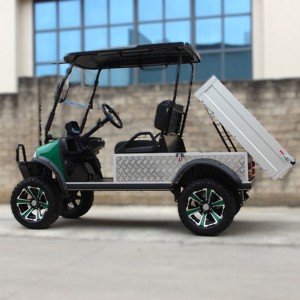
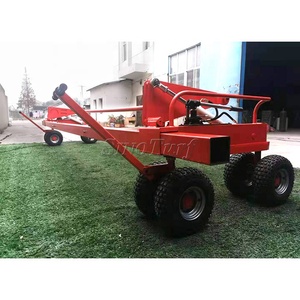
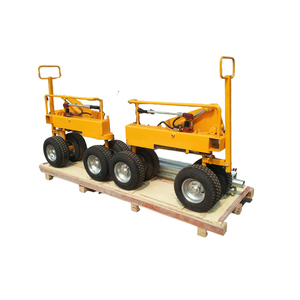
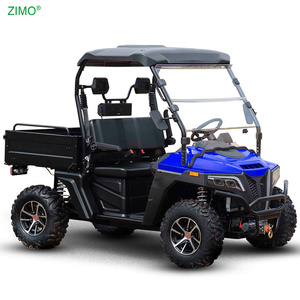
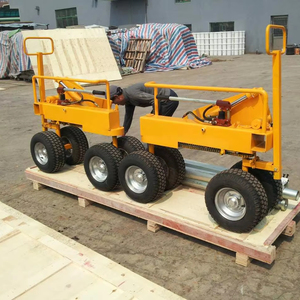
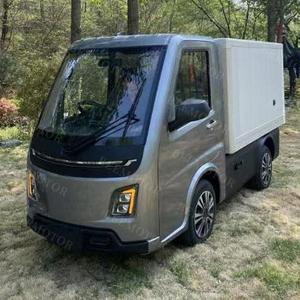
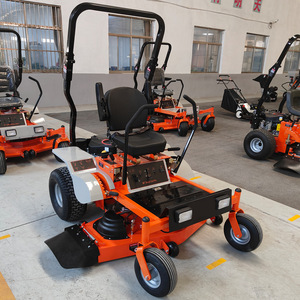
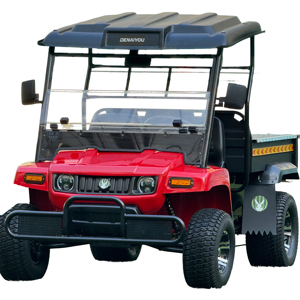
How Chinese OEMs combine flexible monocrystalline photovoltaics with automotive EV platforms.
Utilizing light-weight, shatterproof flexible monocrystalline panels with cell conversion efficiency exceeding 23.5%. Integrated directly into the roof canopy to eliminate aerodynamic drag while continuously harvesting solar power.
Maximum Power Point Tracking (MPPT) solar charge controllers maintain peak efficiency (98.2% conversion rate) even under partial shade, stepping up PV voltage to charge 48V and 72V lithium battery banks smoothly.
Sealed 5kW to 7.5kW AC drivetrains with regenerative braking. Zero carbon emissions, flat torque curves for heavy loads or steep inclines, and 25% lower energy consumption compared to traditional DC motors.
4-wheel ventilated hydraulic disc brakes replace outdated drum systems. Provides predictable, fading-free stopping power for 6-passenger shuttles and utility vehicles loaded up to 800kg on wet slopes.
Lithium Iron Phosphate chemistry offers 3,500+ deep discharge cycles, thermal stability, zero maintenance, and 60% weight reduction. Integrated CAN-bus BMS communicates real-time battery analytics to the dashboard.
Robotically welded steel tube frames undergo hot-dip galvanization and electro-phoretic coating (E-coat) to withstand 480+ hours of continuous salt spray testing—essential for coastal resorts and turf maintenance.
As global fleet operators, municipal authorities, hospitality groups, and golf course managers transition toward zero-emission off-highway mobility, China best solar cart factories and suppliers have emerged at the forefront of engineering innovation. The convergence of advanced photovoltaic (PV) panel integration, lithium iron phosphate (LiFePO4) energy storage, and automotive-grade Low-Speed Vehicle (LSV) chassis manufacturing has transformed standard golf carts into autonomous energy-harvesting micro-utility vehicles.
Sourcing solar-powered electric vehicles from Tier-1 Chinese manufacturers is no longer merely a low-cost procurement tactic. Today, it represents a strategic technological alignment. China commands over 80% of the world's solar panel production and dominates the global EV supply chain. Chinese solar cart OEMs offer significant information gain for commercial buyers: an optimized power balance where ambient daylight provides continuous trickle charging, extending operational range by 25% to 40% daily while preserving battery lifecycle integrity.
Industry Procurement Insight: Integrating a 300W to 500W solar rooftop array on a 48V commercial utility cart offsets parasitic electrical loads (such as LED lighting, digital telematics, and hydraulic auxiliary pumps) and provides up to 15-25 additional miles (24-40 km) of range per sun-day, dramatically lowering grid-charging costs and extending overall battery life by preventing deep voltage drops.
When evaluating supply partners in China, procurement teams must understand the architectural differences between traditional plug-in electric vehicles (PEVs) and solar-assisted electric vehicles (SEVs). The table below outlines key engineering matrices derived from real-world testing across resort, agricultural, and campus duty cycles:
| Performance Parameters | Standard Plug-In Cart (Lead-Acid) | Modern Electric Cart (Lithium) | Solar-Integrated Cart (LiFePO4 + MPPT) |
|---|---|---|---|
| Daily Operating Range | 30 - 45 km | 60 - 80 km | 85 - 110 km (Sun Assisted) |
| Battery Lifespan Cycle | 500 - 800 cycles | 2,000 - 2,500 cycles | 3,500+ cycles (Optimized Depth of Discharge) |
| Mid-Day Charging Required? | Yes (Long Downtime) | Optional (Opportunity Charge) | No (Continuous Solar Trickle Charge) |
| Grid Energy Reliance | 100% Grid Power | 100% Grid Power | 30% - 45% Solar Energy Offset |
| 5-Year Total Cost of Ownership | High (Battery Replacements) | Moderate | Lowest (35% Fleet ROI Improvement) |
| Braking System | Rear Mechanical Drum | 4-Wheel Hydraulic Disc | Regenerative AC + 4-Wheel Hydraulic Disc |
The global demand for utility vehicles, turf maintenance machines, and street-legal passenger shuttles is rapidly shifting toward specialized, application-specific designs. China’s leading solar cart suppliers have moved away from generic white-label assembly lines toward fully customizable OEM/ODM production processes. Fleet buyers can now specify exact parameters including chassis length, seating configuration, solar array capacity, and regional street-legal homologation kits (DOT/FMVSS 500 for North America, CE and EEC for Europe).
Early iterations of solar carts suffered from heavy, glass-laminated solar panels mounted onto flimsy canopy frames. This added top-heavy weight and posed safety hazards on rough turf. China's premium solar cart factories now utilize lightweight, semi-flexible monocrystalline panels engineered with ETFE (Ethylene Tetrafluoroethylene) encapsulation. These panels are impact-resistant, weigh less than 5 kilograms, and conform seamlessly to the vehicle’s dynamic roof contours.
Furthermore, the integration of N-type TOPCon solar cell technology allows rooftop arrays to perform exceptionally well even under high ambient temperatures and diffuse light conditions (such as overcast days or shaded golf course fairways). Combined with high-frequency MPPT (Maximum Power Point Tracking) controllers, energy conversion efficiency remains above 98%, continuously delivering clean DC power directly to the onboard battery management system.
Modern commercial buyers demand more than just mobility—they require actionable fleet metrics. China's best manufacturing plants now equip solar utility vehicles with CAN-bus digital architecture connected to 10.1-inch IP65 touchscreen dashboards. Vehicle operators and fleet supervisors can monitor solar harvesting wattage in real-time, state of charge (SoC), individual battery cell voltages, and diagnostic error codes. Optional GPS tracking and IoT modules allow remote geo-fencing, speed limiting, and automated maintenance alerts for large resorts and municipal facilities.
Specialized applications—such as artificial turf spreading, athletic field maintenance, agricultural harvesting, and estate landscaping—place immense structural stress on vehicle chassis. Top-tier Chinese manufacturers utilize automated robotic MIG welding to assemble high-tensile steel space frames. These frames undergo immersion e-coating and hot-dip galvanization to ensure decades of resistance against rust, fertilizer corrosion, and salt ambient air in coastal hospitality settings.
Configured with 4 to 8 forward-facing seats, luxury marine-grade vinyl upholstery, DOT-approved safety glass, turn indicators, and whisper-quiet AC motors designed to transport guests comfortably without noise or exhaust emissions.
Equipped with heavy-duty drop-side aluminum cargo beds, hydraulic tipping mechanisms, turf-friendly wide-flotation tires, and front accessory hitches capable of operating turf rollers, lawn spreaders, and heavy payload dump beds.
To successfully navigate the landscape of China solar cart factories, international buyers must establish rigorous audit criteria. Not all assembly plants operate at the same quality benchmark. When evaluating potential supplier partners, focus on the following core operational indicators:
Expert answers to common technical, legal, and operational questions regarding solar cart procurement from China.
Under standard sun conditions (4-5 peak sun hours per day), a high-efficiency 300W-400W solar rooftop panel will generate between 1.2kWh to 1.8kWh of clean energy. Depending on payload, vehicle weight, and speed, this equates to roughly 15 to 25 extra miles (24–40 km) of extended range per day without plugging into the grid.
Yes. The vehicle operates primarily on its high-capacity LiFePO4 lithium energy storage system. The solar system acts as an auxiliary continuous trickle-charger. On overcast days, modern TOPCon solar panels continue to harvest diffuse sunlight at reduced efficiency (around 20-35% of peak output), while the lithium battery powers the vehicle seamless without operational interruption.
A standard golf cart has a top speed restricted to ~15 mph (24 km/h) and is designed for private property or golf courses. A Low Speed Vehicle (LSV) is a federally compliant vehicle class reaching speeds of 20–25 mph (32–40 km/h). LSVs require DOT-certified safety equipment: 17-digit VIN numbers, 3-point seatbelts, automotive safety glass windshields, LED headlights, turn signals, high-mount brake lights, dual side mirrors, and 4-wheel hydraulic disc brakes.
LiFePO4 batteries are perfectly suited for solar integration. They accept partial state-of-charge (PSOC) trickle charging from solar panels without suffering from memory effect or sulfation damage, which ruins lead-acid batteries. LiFePO4 packs last 3,500+ cycles (versus 600 cycles for lead-acid), weigh 60% less, require zero water-filling maintenance, and deliver full motor torque even when battery level drops below 20%.
Standard production lead time at top Chinese solar cart factories ranges between 20 to 30 days depending on customization specifications. For shipping efficiency, standard 40HQ container packing methods allow 8 to 10 fully assembled 4-passenger carts (or 6 to 8 utility work trucks) to be loaded using heavy-duty steel rack framing.
Reputable Chinese solar cart manufacturers provide a comprehensive global warranty: 36 months on LiFePO4 battery packs, 24 months on AC motors and controllers, and 5 years on the structural frame. Suppliers furnish detailed exploded-view electronic parts catalogs, CAN-bus diagnostic software, and express-dispatch critical spare parts within 48 to 72 hours.
Connect directly with China’s premier solar cart engineering team. Request factory-direct pricing, custom specs, and container logistics planning today.
