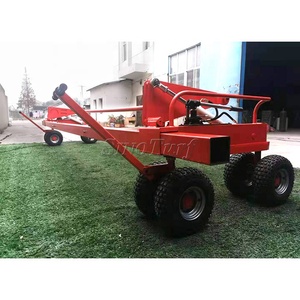
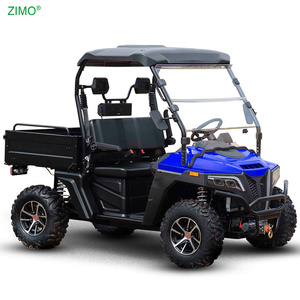
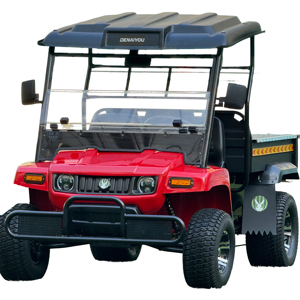
Precision-engineered commercial turf carts, heavy-duty utility transporters, and lawn machinery integrated with industrial rack-and-pinion and electronic power steering (EPS) assemblies.
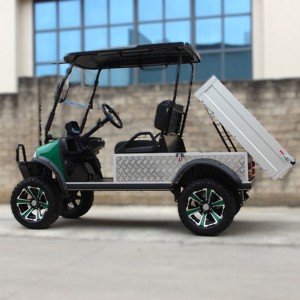
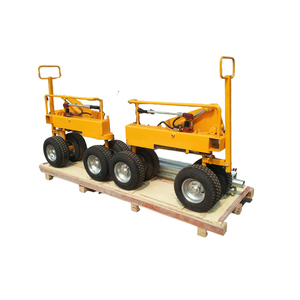
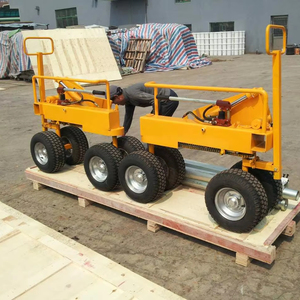
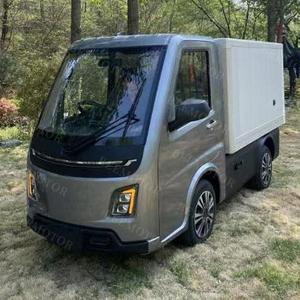
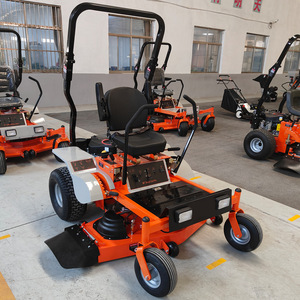
Understanding the critical engineering metrics: Rack-and-pinion gear ratios, Electric Power Steering (EPS) torque sensing, and dynamic Ackermann steering geometry.
Custom China wholesale steering manufacturers engineer helical gear racks crafted from high-tensile 45# forged alloy steel. By optimizing the tooth module and helical angle, steering assemblies eliminate backlash while delivering linear steering effort across zero-turn to full-lock turning radii.
Modern electric utility vehicles demand Smart Electric Power Steering (EPS). Integrating optical non-contact torque sensors with ECU algorithms allows dynamic steering assistance. Assistance increases at low park-maneuver speeds and stiffens during high-speed transit for ultimate directional stability.
Commercial turf layers and heavy utility dump trucks operate under continuous high payload conditions. OEM factories utilize ductile iron steering knuckles and telescopic collapsible steering columns certified to withstand extreme radial and axial torsional forces.
| Steering Architecture | Primary Commercial Application | Torque Efficiency | Maintenance & Service Life | OEM Customization Scope |
|---|---|---|---|---|
| Manual Mechanical Rack & Pinion | Standard Golf Carts & Light Utility Transport | Direct Mechanical (1:1 feedback) | Zero electrical maintenance; Grease lubricated every 10,000 km | Custom tie-rod length, column spline count, mounting brackets |
| Speed-Sensitive Brushless EPS | Street Legal LSV, Resort Shuttles & Heavy Campus Utility | High Efficiency (Up to 85% motor reduction) | Sealed brushless IP67 motor; 500,000 steering cycle rating | Programmable torque curves, CAN-bus protocol matching, ECU firmware |
| Hydraulic Assist Steering | Heavy Turf Machinery & Industrial Equipment Carriers | Maximum Torque Output (Heavy Load Handling) | Annual hydraulic fluid flushing and high-pressure hose inspection | Pump displacement tuning, dual-acting cylinder stroke length |
| Zero-Turn Dual Hydraulic Drive | Commercial Estate Trimmers & Turf Lawn Mowers | Independent Wheel Speed Steering | Fluid filter changes every 500 operating hours | Control lever dampening ratio, wheel motor displacement pairing |
As global fleet operators transition toward electrification and autonomous ground support, China wholesale steering factories are spearheading four pivotal technological shifts.
The elimination of physical steering shafts in favor of redundant electronic control units (ECU) and digital actuators is revolutionizing campus and resort logistics. Steer-by-Wire allows seamless toggling between human driving and autonomous GPS-guided lawn maintenance or turf-laying machinery.
To maximize range in lithium-powered golf carts and low-speed vehicles (LSVs), manufacturers are replacing heavy steel steering housings with die-cast ADC12 aluminum and magnesium alloy steering gearboxes. This weight reduction directly translates to extended battery cycles and lower shipping freight costs for global distributors.
Utility carts operating in coastal resorts, turf spreading applications, and humid agricultural environments face severe salt spray degradation. Leading OEM factories are implementing 480-hour salt-spray-tested e-coating (electrophoretic deposition) across all tie-rods, ball joints, and steering universal joints.
Wholesale procurement managers are increasingly selecting standardized modular steering columns that allow interchangeability across 4-passenger golf carts, 6-passenger extended LSVs, and specialized flatbed utility carts—drastically reducing spare parts inventory overhead for international dealers.
Combining vertically integrated production with rigorous automotive quality standards (ISO 9001 & IATF 16949 compliant alignment).
From raw tube bending and CNC rack gear machining to robotic chassis welding and powder coating, our partner factories manage the entire steering assembly workflow in-house to guarantee structural integrity.
Every steering gear shaft and EPS module undergoes a 100-point inspection protocol, including dynamic torque measurement, play angle checking (less than 1.5° backlash), and high-voltage insulation tests for electric vehicles.
We empower global distributors, commercial fleet managers, and utility cart brands with tailored logo branding, customized column lengths, turn-key CE/DOT homologation dossiers, and container-optimized packaging.
Crucial answers for procurement officers, OEM automotive engineers, and international equipment dealers.
Sourcing directly from established Chinese steering factories offers unmatched cost-efficiency, deep supply chain integration, and rapid OEM/ODM customization capabilities. Facilities utilize high-precision CNC hobbing machines, automated robot welders, and in-house heat treatment. Buyers gain access to automotive-grade quality standards (ISO/IATF compliance) at competitive wholesale prices, enabling higher profit margins for global distributors.
Traditional manual steering relies purely on mechanical leverage (rack and pinion or worm gear), requiring significant driver physical effort—especially when utility vehicles are fully loaded with heavy turf equipment or multiple passengers. Electric Power Steering (EPS) uses a brushless electric motor and electronic torque sensor to provide adaptive assistance. EPS reduces steering effort by up to 80%, eliminates hydraulic fluid maintenance, improves energy efficiency, and enables integration with speed-sensitive stability control systems.
Yes. OEM factories specialize in custom steering column engineering. B2B buyers can specify overall column length, tilt mechanism angles, universal joint configurations, steering wheel spline counts (e.g., 36-tooth, 48-tooth), keyway dimensions, and wiring harness pass-through routes for horn switches, turn signal levers, and touchscreen digital displays.
Export-ready steering components undergo stringent QA protocols: 1) Metallurgical hardness testing on pinion gears and tie-rods; 2) Microscopic gear backlash verification; 3) 500,000-cycle rotational fatigue endurance testing; 4) 480-hour salt spray anti-corrosion validation; and 5) 100% functional dynamic testing for all EPS control units and position sensors.
Turf maintenance machinery requires specialized steering geometry (such as tight Ackermann compensation or zero-turn hydraulic lever systems) to prevent wheel scuffing and turf tear when executing tight maneuvers on grass surfaces. Properly calibrated steering angles distribute vehicle weight evenly across wide, low-ground-pressure tires, protecting golf course fairways and delicate artificial turf rolls.
Standard catalog products and standardized steering boxes typically carry an MOQ of 10 to 50 units, with production lead times of 15–20 days. For fully customized OEM orders involving custom casting molds or bespoke EPS firmware programming, initial prototype development takes approximately 30–45 days, followed by full-scale batch container production within 30 days of sample approval.