Explore our heavy-duty rear seat configurations, utility transporters, and specialized turf maintenance carts engineered for hospitality, golf, agriculture, and campus operations.
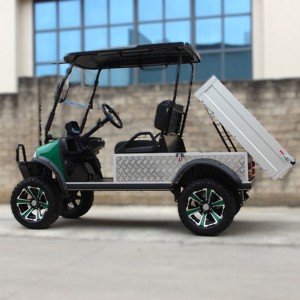
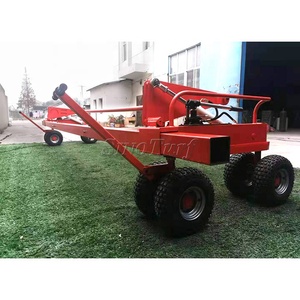
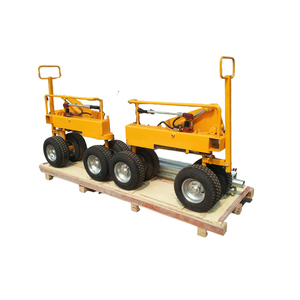
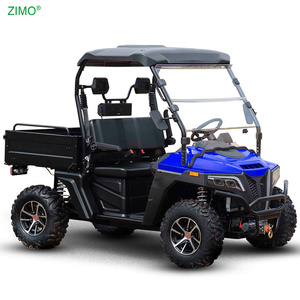
A comprehensive analysis of metallurgy, structural fatigue testing, ergonomic upholstery, and conversion mechanisms in high-duty cycle rear seating environments.
In high-frequency commercial operation—ranging from resort passenger transfers to industrial facility maintenance—the rear seat assembly experiences multiaxial stress vectors. Standard aftermarket seat kits frequently suffer structural weld fractures at structural stress points under peak loads.
Our OEM rear seat kits utilize robotic MIG-welded Q235 cold-rolled structural steel tubing with a minimum wall thickness of 2.5 mm. Through Finite Element Analysis (FEA) computer simulation, critical pivot brackets and load-support gussets are reinforced to achieve a static structural load rating exceeding 400 kg (880 lbs).
Furthermore, to counteract environmental degradation caused by coastal salt air and agricultural fertilizer runoff, every frame undergoes an automated 8-stage pre-treatment wash followed by electrophoretic cathodic e-coating (ED) and automotive-grade UV-resistant thermoplastic powder coating, passing the rigorous ASTM B117 480-hour neutral salt spray standard.


Modern fleet operations demand versatile utility. The key metric driving procurement efficiency is the rapid transition time between passenger transport and cargo logistics. Our patented flip-flop rear seat kits incorporate a self-locking composite hinge mechanism that enables a 3-second single-operator transformation.
When unfolded into cargo mode, the rear seating surface reveals a heavy-duty injection-molded high-density polyethylene (HDPE) deck equipped with perimeter tie-down channels and a raised anti-slip diamond matrix texture. This design protects the underlying vinyl upholstery from puncture damage during heavy equipment haulage while providing an easy-wash surface for agricultural or maintenance spills.
Direct technical metrics illustrating the operational life-cycle advantage of our engineered rear seat assemblies.
| Technical Parameter | Generic Wholesale Aftermarket Kits | Factory Commercial-Grade Rear Seat Kits |
|---|---|---|
| Structural Tubing | 1.5 mm Welded Seam Steel Tube | 2.5 mm Q235 Seamless Structural Steel |
| Corrosion Protection | Single-layer Spray Paint | Cathodic E-Coating + 480-Hr Powder Coating |
| Upholstery Substrate | Standard Plywood Core (Absorbs Moisture) | Vacuum-Formed Composite Plastic Core (100% Waterproof) |
| Foam Density & Cell | Recycled Rebound Foam (30 kg/m³) | Cold-Molded High-Resilience PU Foam (55 kg/m³) |
| Vinyl Covering | 0.8 mm Standard PVC (Fades/Cracks in 12 Mos) | 1.2 mm Marine-Grade UV600 Vinyl with Anti-Mildew Coating |
| Cargo Deck Rating | 150 kg (Flexes & Distorts under stress) | 400 kg Reinforced Structural Load Surface |
| Safety Homologation | None | DOT FMVSS 500-Compliant 3-Point Belt Anchorages |
Key technological and market shifts shaping global fleet purchasing, safety regulations, and lightweight material integration for low-speed vehicles and utility platforms.
With electric fleets adopting higher battery capacity (LiFePO4), reducing gross vehicle weight (GVW) is paramount. Procurement is shifting toward extruded aluminum alloy seat frames and structural glass-filled nylon composites, achieving a 35% weight reduction while maintaining full payload integrity.
As municipal regulations mandate LSV street legality, rear seats are moving from simple lap belts to integrated 3-point retractable seatbelts tested to ISO 6683 and FMVSS standards. Frame anchorages must resist pull-test forces exceeding 13.5 kN without structural deformation.
Next-generation wholesale rear seat kits feature embedded wiring harnesses, USB-C fast-charging ports, seat occupancy sensors linked to vehicle immobilizers, and integrated LED brake/turn safety lighting powered via quick-connect waterproof IP67 wiring looms.
Combining vertically integrated production capabilities with rigorous ISO-aligned quality validation for global distributors, OEM vehicle builders, and commercial operators.
Operating an 18,000 m² advanced manufacturing facility, our factory directly controls every production phase: raw tube bending, automated CNC robotic welding, surface e-coating, polyurethane foam molding, custom vinyl upholstery tailoring, final assembly, and quality assurance testing.
Eliminating third-party component sourcing allows us to deliver strict quality control, agile engineering modifications, and container-optimized packaging (SKD/CKD) that maximizes 40HQ container loading efficiency by up to 30% compared to fully assembled shipments.

Whether you are scaling a regional fleet dealership, sourcing OEM components, or designing custom commercial utility vehicles, our engineering team is ready to deliver sample kits and competitive volume pricing within 24 hours.
Contact Us