Engineered to commercial-grade standards with reinforced steel chassis architecture, lithium-ion powertrains, and certified CE/DOT compliance platforms.
An in-depth analysis of high-durability electric utility carts, automated turf machinery, and specialized fleet engineering for modern enterprise operations.
The global commercial mobility landscape is undergoing a structural transition. Facilities management, municipal infrastructure, golf resorts, higher education campuses, and agricultural sports complexes are aggressively phasing out legacy internal combustion engine (ICE) utility vehicles and under-engineered consumer golf carts. In their place, procurement directors are seeking custom OEM commercial fleet carts built on reinforced industrial chassis platforms, paired with automotive-grade lithium iron phosphate (LiFePO4) powertrains and CAN-bus telematics integration.
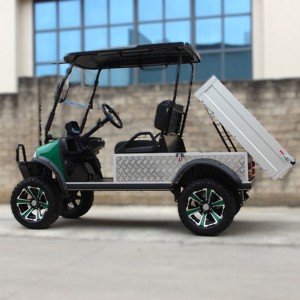
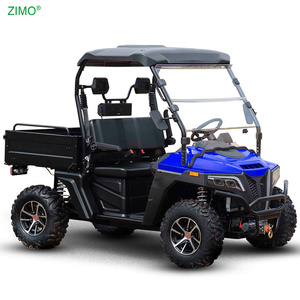
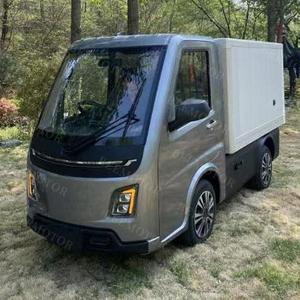
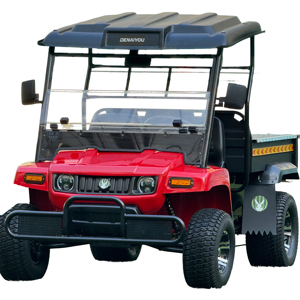
As a premier OEM/ODM manufacturer, our manufacturing plant addresses the specific operational demands that off-the-shelf neighborhood electric vehicles (NEVs) cannot satisfy. Commercial fleet carts endure severe duty cycles: non-stop multi-shift operation, heavy payload transport across unpaved turf, high-humidity coastal exposure, and demanding operational torque requirements. Achieving a sustainable Total Cost of Ownership (TCO) requires direct-from-factory engineering customization—from specialized hydraulic tipping beds and multi-terrain 4WD drivelines to custom gear-ratio optimization and integrated heavy machinery mounts.
Macroeconomic factors, sustainability mandates, and engineering advancements reshaping how enterprise fleet managers select manufacturing partners.
Traditional lead-acid batteries are obsolete for enterprise fleets due to continuous water maintenance, thermal sensitivity, heavy weight, and rapid capacity degradation after 500 cycles. Modern procurement contracts mandate maintenance-free LiFePO4 packs delivering 3,500+ full charge/discharge cycles.
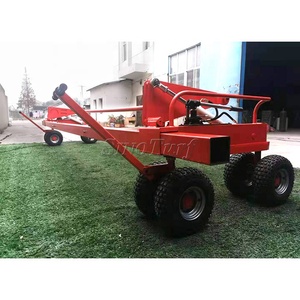
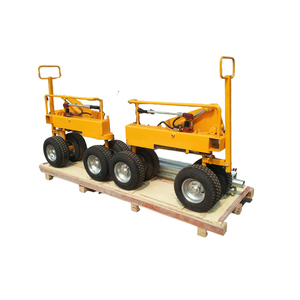
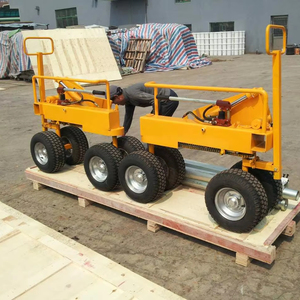
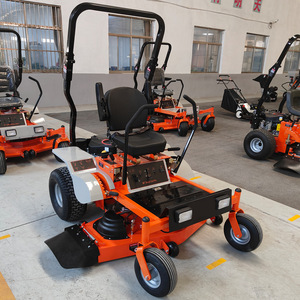
Commercial turf management requires specialized vehicular integration rather than standardized transport. Facilities are procuring dedicated mobile platforms capable of lifting, spreading, and unrolling artificial grass rolls, as well as high-capacity precision top-dressers and turf trimmers.
Enterprise buyers require real-time tracking, geofencing, driver behavior monitoring, and predictive battery maintenance. OEM manufacturers are embedding CAN-bus smart controllers that interface directly with commercial fleet management software suites via cellular/GPS modules.
Direct insight into drivetrain architecture, chassis anti-corrosion chemistry, and safety compliance frameworks.
| Engineering Dimension | Standard Consumer Golf Cart | MAC EV Custom OEM Commercial Cart | Operational Fleet Benefit |
|---|---|---|---|
| Chassis Architecture | Stamped thin-wall steel frame | Robotic-welded, hot-dip galvanised ladder chassis | Prevents structural sagging; 10+ year lifespan under 800kg loads. |
| Powertrain Technology | DC Series / Basic AC Motor | High-efficiency 5kW - 7.5kW AC Induction / IPM Motor | 25% higher power efficiency, flat torque curve, zero motor brush service. |
| Braking Architecture | Rear mechanical drum brakes | 4-Wheel Hydraulic Disc Brakes + Regenerative Braking | 60% shorter stopping distance; energy recovery extends range by 15%. |
| Suspension System | Rigid leaf springs | Independent double A-arm front with adjustable coil-overs | Eliminates operator fatigue; protects delicate turf maintenance loads. |
| Ingress Protection (IP) | IP54 standard wiring | IP67 sealed wiring harness & waterproof controller box | Resists direct pressure washing and heavy rain operational environment. |
In municipal, resort, and athletic field applications, chassis corrosion is the primary cause of early vehicle retirement. Our OEM factory applies a dual-stage surface protection protocol: shot-blasting to remove microscopic impurities, followed by direct immersion electro-coating (E-coat) and electrostatically applied thermosetting powder paint. This process exceeds 480 hours of salt spray testing (ASTM B117 standards), ensuring zero structural degradation in severe coastal salt air or high-chemical fertilizer environments.
Vertical integration, rigid quality control standards, and flexible private-label customization programs.
Unlike assembly-only vendors, our facility maintains a full structural engineering team. We utilize CAD/CAM finite element analysis (FEA) to stress-test frame modifications before physical prototype fabrication, accommodating custom cargo boxes, flatbed extensions, lifting hydraulic arms, and specialized turf paving equipment.
Every custom vehicle undergoes a 100-point quality assurance matrix prior to container loading. Testing protocols include dynamic brake balance evaluation, 30% incline hill-hold verification, water spray ingress testing, and full CAN-bus electrical diagnostic screening.
We provide full documentation packages required for international importation, municipal fleet approval, and street-legal LSV registration, including CE Certification, DOT compliance alignment, UN38.3 lithium battery transport safety clearance, and comprehensive MSDS documentation.
Speak directly with our chief automotive engineers and global sales managers to discuss custom chassis dimensions, payload requirements, battery sizing, and container-optimized logistics.
Clear, direct answers for procurement officers, global distributors, and commercial fleet managers.
We provide comprehensive OEM/ODM customization options including custom frame lengths and wheelbase extensions, motor wattage tuning (3kW to 10kW AC), battery voltage and capacity configuration (48V/72V LiFePO4 up to 200Ah), custom cargo bed configurations (hydraulic tipping, drop-side aluminium, enclosed service boxes), specialized turf machinery mounts, brand-specific body color matching, custom seat upholstery, dashboard instrument layouts, and private-label logo badges.
Our turf-specific vehicle range utilizes wide ultra-low-ground-pressure pneumatic turf tires that distribute gross vehicle weight across a broader contact patch. Combined with smooth AC motor acceleration curves that eliminate wheel spin and a balanced chassis weight distribution, our vehicles operate on delicate golf greens and natural turf athletic fields without creating ruts or soil compaction.
Every commercial vehicle export package includes full CE certification documentation, EEC/DOT compliance alignment files where applicable, UN38.3 test reports for lithium battery safety, MSDS battery material safety sheets, 17-digit VIN stamping for LSV registration, factory quality inspection certificates, and complete exploded-view technical parts manuals for after-sales service teams.
Equipped with our standard 48V 105Ah LiFePO4 battery system, typical operational range spans 60 km to 80 km per charge depending on payload and terrain grade. Upgrading to our 150Ah or 200Ah commercial pack extends range up to 120 km per charge. The LiFePO4 battery architecture retains over 80% of its original capacity after 3,500 full charge cycles, representing 8 to 10 years of reliable daily service.
Our standard Minimum Order Quantity (MOQ) for custom OEM orders is a single 20ft or 40HQ container unit (typically accommodating 4 to 10 vehicles depending on model size and roof assembly). Production lead time for standard custom configurations is 20 to 30 days from engineering sign-off, with specialized hydraulic turf machine builds averaging 35 to 45 days.
We back our custom fleet carts with a 3-year warranty on lithium battery packs and major powertrain components, and a 2-year warranty on chassis structures. We supply a fast-moving spare parts kit with every bulk container shipment and maintain a global spare parts inventory for immediate express dispatch. Diagnostic software and direct video support with our technical engineering team are accessible to all authorized dealers and fleet technicians.
Get in touch with our OEM sales engineers today to receive detailed technical specifications, CAD layout options, and factory-direct pricing for your commercial operation.
Send an Inquiry