Precision-engineered for campuses, hospitality resorts, sports facilities, and heavy commercial grounds maintenance.
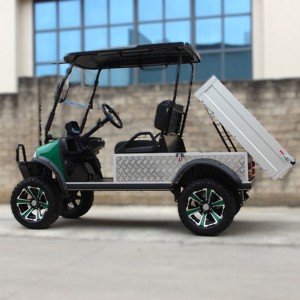
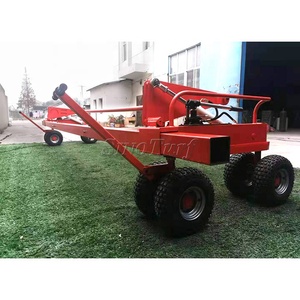
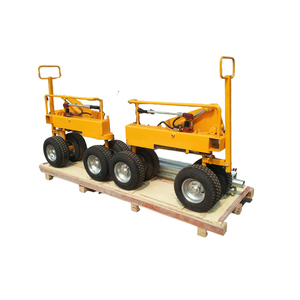
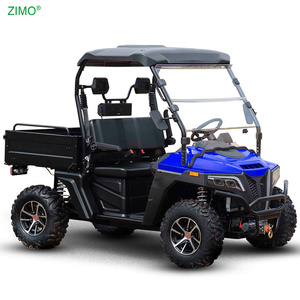
Evaluating structural integrity, powertrain efficiency, and battery optimization for fleet operators and OEM procurement executives.
In the rapidly evolving landscape of commercial low-speed electric vehicles (LSVs), utility transport carts, and specialized artificial turf maintenance machinery, procurement managers face unprecedented technical challenges. Legacy commercial fleets reliance on lead-acid battery chemistries and inefficient direct-current (DC) brushed motors has yielded unacceptable total cost of ownership (TCO) figures. High maintenance overhead, thermal degradation under continuous duty cycles, and frame corrosion in coastal or high-humidity environments frequently compromise capital efficiency.
To address these systemic bottlenecks, modern custom OEM manufacturers have shifted toward modular, heavy-duty automotive chassis design, integrated lithium iron phosphate (LiFePO4) power cells, and high-torque AC induction or permanent-magnet synchronous motor (PMSM) powertrains. Below is a comprehensive engineering matrix highlighting the quantitative superiority of optimized OEM components over standard commercial platforms.
| Engineering Parameter | Legacy Fleet Standards | Custom OEM High-Performance Standard | Operational Impact & ROI |
|---|---|---|---|
| Powertrain Architecture | DC Series / Brushed Motors (3.7 kW) | Sealed AC Induction / PMSM (5.0 kW - 7.5 kW) | +25% Energy Efficiency; Zero Brush Maintenance; Flat Torque on Gradients |
| Energy Storage System | Flooded Lead-Acid / AGM Packs | LiFePO4 with Integrated CAN-bus BMS | 3,500 vs 600 Cycles; 60% Weight Reduction; Zero Water Top-offs |
| Braking Mechanics | Rear Mechanical Drum Brakes | 4-Wheel Hydraulic Disc Brakes + Regen | 40% Shorter Stopping Distance; Energy Recovery on Downhill Deceleration |
| Chassis Corrosion Resistance | Standard Painted Carbon Steel | Hot-Dip Galvanized / E-Coated Steel Frame | 480-Hour Salt Spray Compliance; Extended 10+ Year Frame Service Life |
| Suspension Architecture | Leaf Springs / Rigid Axles | Independent Double A-Arm with Coil-Overs | Reduced Chassis Fatigue; Improved Operator Comfort and Payload Stability |
Utilizing high-efficiency 5 kW to 7.5 kW AC drive systems paired with intelligent vector control controllers allows vehicles to generate maximum torque from zero RPM. Regenerative braking systems feed up to 15% of kinetic energy back into the lithium pack during decelerations on campus or golf course gradients.
Equipped with smart CAN-bus Battery Management Systems (BMS), our lithium battery configurations monitor individual cell voltages, state-of-charge (SoC), thermal thresholds, and current throughput in real time. LiFePO4 cells eliminate thermal runaway risks associated with traditional NMC chemistries.
Constructed from high-tensile structural steel tubes with robotic MIG welding, every frame undergoes electro-deposition coating (E-coating) and tough powder surface finish. Designed to withstand dynamic payload shifts in utility dump trucks and artificial turf transport machines.
Anticipating regulatory compliance, electrification shifts, and telematics integration in global commercial fleets.
Municipalities, educational institutions, hospitality resorts, and enterprise sports complexes are implementing strict decarbonization mandates. Procurement policies increasingly favor electric-powered ground support equipment (eGSE) over gas-powered utility carts due to noise-pollution restrictions and urban low-emission zone policies. OEM partners who offer full CE and DOT homologation standards are taking market precedence.
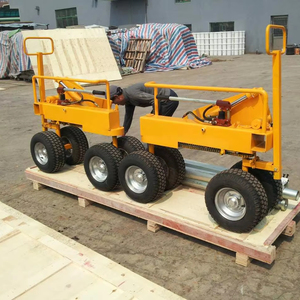
As artificial turf installation expands across sports arenas, municipal playgrounds, and commercial estates, manual labor cost bottlenecks have accelerated demand for specialized turf transport machines. The integration of motorized roll lifting, automated unrolling, and hydraulic turf spreading attachments directly into low-ground-pressure electric vehicle platforms represents a high-growth procurement vector.
Enterprise buyers now demand built-in 4G/GPS telematics modules that transmit real-time diagnostic data to cloud management dashboards. Fleet managers monitor battery state-of-health, track geo-fenced operating zones, receive automated maintenance alerts, and remotely govern vehicle top speeds (e.g., capping campus utility vehicles at 15 mph vs street legal LSVs at 25 mph).
Off-the-shelf commercial utility carts are being replaced by modular platform architectures. B2B buyers require single-chassis designs capable of swapping rear configurations—transitioning seamlessly from a 2-seat pickup utility box to a 4-passenger resort shuttle or a specialized hydraulic dump bed without structural modifications.
Our engineering team works directly with global fleet managers, OEM buyers, and equipment distributors to design custom chassis, voltage systems, and utility attachments.
Inquire NowHow emerging technological advancements are reshaping utility vehicle efficiency and longevity.
The convergence of automotive technology and commercial utility machinery is driving significant innovations in component design. As high-voltage lithium architecture becomes standard, development teams are focusing on three key technology frontiers:
Next-generation lithium battery enclosures feature active phase-change thermal management, allowing vehicles to operate continuously in extreme thermal environments ranging from -20°C winter municipal grounds clearing to +55°C desert resort utility shuttling without capacity degradation.
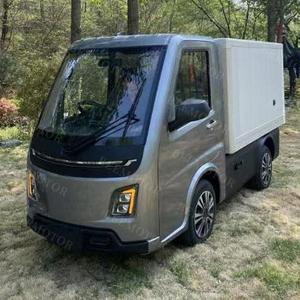
Street legal low-speed vehicles (LSV) are adopting full Federal Motor Vehicle Safety Standard (FMVSS 500) compliance. This includes DOT-certified laminated glass windshields, three-point seatbelts, illuminated 17-digit VIN plates, integrated backup cameras, and LED lighting arrays with directional signal indicators.
Modern utility cabs feature waterproof IP65 10.1-inch capacitive touchscreen human-machine interfaces (HMI). These displays unify Bluetooth audio connectivity, real-time diagnostic trouble codes (DTCs), speed modes, and reversing camera views into a single, intuitive interface.
Why leading global distributors, resort chains, and municipal procurement networks partner with our production facilities.
Our 18,000 square meter factory houses CNC tube bending machines, robotic welding cells, automated powder-coating lines, custom wiring harness assembly stations, and dedicated upholstery shops. In-house manufacturing guarantees strict quality management and eliminates third-party component markup.
Every manufactured unit undergoes a mandatory 100-point inspection protocol. This includes automated brake dyno testing, electronic controller calibration, 480-hour salt spray chamber exposure testing for frame corrosion verification, and dynamic obstacle track testing under maximum payload conditions.
We provide full international export documentation including CE declarations of conformity, DOT compliance labels, UN38.3 lithium battery transport safety certificates, and MSDS documentation. Container loading plans are optimized to maximize payload in 40HQ ocean freight shipments.
Detailed technical and logistical answers regarding custom OEM manufacturing, warranties, and compliance.
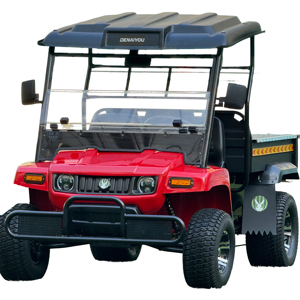
A standard golf cart is designed exclusively for off-road or private property usage with maximum speeds restricted to approximately 15 mph (24 km/h). Conversely, a DOT-rated street legal LSV is a recognized motor vehicle class capable of speeds up to 25 mph (40 km/h). LSVs must comply with FMVSS 500 regulations, featuring DOT-certified windshields, three-point seat belts, headlights, tail lamps, turn signals, side mirrors, a handbrake, and a unique 17-digit Vehicle Identification Number (VIN) for legal street registration on public roads posted at 35 mph or less.
Lithium Iron Phosphate (LiFePO4) chemistry offers significant total-cost-of-ownership advantages: it delivers 3,500+ charge cycles compared to 500–800 cycles for lead-acid, reduces battery pack mass by over 60% (improving acceleration and hill climbing), eliminates battery watering maintenance, charges fully in 4–6 hours (versus 8–10 hours), and maintains constant voltage output under load without experiencing performance fade as the battery depletes.
Yes. Our engineering facility offers extensive OEM and ODM customization options. This includes custom body paint colors, custom seat upholstery stitching, branded steering wheel inserts, customized HMI digital dash logos, specific rim/tire packages, unique cargo bed dimensions, and custom electrical wiring harnesses tailored for local accessory additions.
All export shipments include full homologation and transport documentation: CE certificates for European compliance, DOT safety compliance labeling for North America, UN38.3 lithium battery transport safety clearance test reports, Material Safety Data Sheets (MSDS), exploded-view spare parts manuals, and electrical wiring schematics for technical service teams.
Standard production lead times range from 20 to 30 days depending on order volume and custom options specified. For shipping efficiency, vehicles are packed using specialized steel-frame crate structures. A standard 40HQ container typically accommodates 8 to 10 units of 4-passenger or utility vehicles, minimizing per-unit ocean freight overhead.
We maintain a dedicated spare-parts inventory reserved for fast-track international dispatch. Critical components (controllers, motor units, BMS circuit boards, dynamic brake master cylinders) carry comprehensive factory warranties (up to 36 months for lithium batteries). Dealers receive direct access to our technical engineering service portal, schematic documentation, and video diagnostic guides.
Connect with our engineering specialists today to request technical specs, bulk quotation pricing, or custom OEM production schedules.
Inquire Now