Engineered for commercial food service, industrial logistics, municipal maintenance, resort hospitality, and off-highway passenger transport.
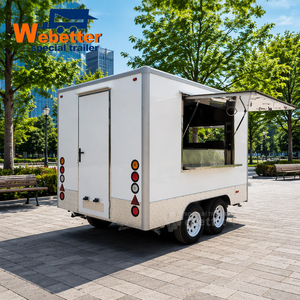
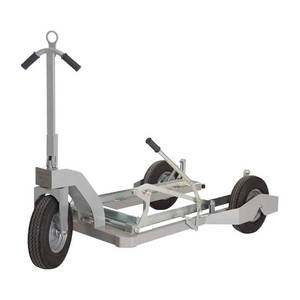
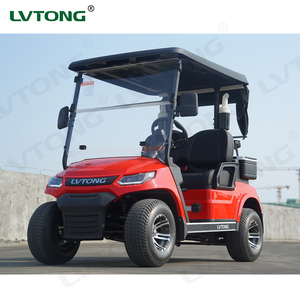
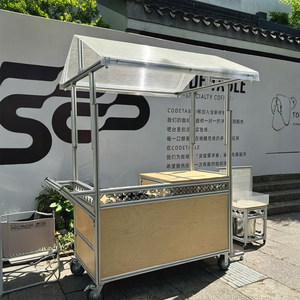
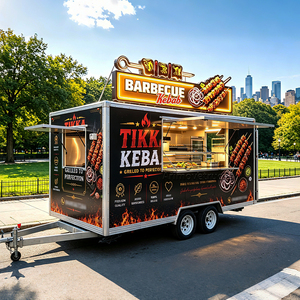
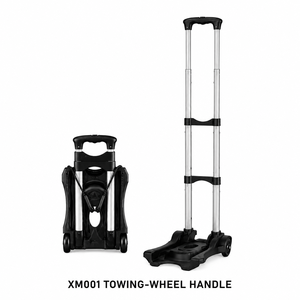

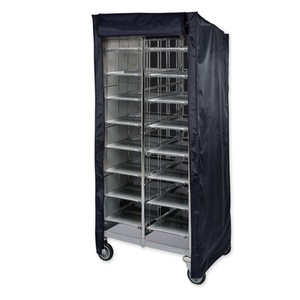
As a premier global OEM/ODM custom cart supplier & exporter, MAC EV operates an integrated manufacturing complex spanning 18,000 square meters. Our production capability covers precision chassis tube bending, automated robotic welding, electrostatic powder coating, complex harness fabrication, marine-grade upholstery crafting, and strict end-of-line dynamic load testing.
We specialize in translating complex B2B commercial requirements into reliable, road-ready mobility platforms and functional vending systems. Every custom cart platform undergoes a 5,000 km structural stress validation, 480-hour salt-spray anti-corrosion testing, and full safety audit to ensure years of trouble-free fleet operations.

Analyzing technology migration, sustainability imperatives, and total cost of ownership (TCO) benchmarks for modern commercial fleets.
Global fleet buyers are standardizing on Lithium Iron Phosphate (LiFePO4) battery chemistry. Delivering 2,000 to 3,500 life cycles compared to ~600 cycles for traditional flooded lead-acid units, LiFePO4 eliminates battery watering, reduces vehicle weight by up to 60%, and retains full torque output even under deep discharge conditions on steep inclines.
Modern mobile vending and utility carts face harsh coastal, winter-salted, and high-humidity microclimates. Procurement specifications are prioritizing 6061-T6 aluminum frameworks, hot-dip galvanized tubular steel frames, and SUS304/SUS316 stainless steel counters to maximize long-term residual value and operational hygiene.
Cross-border regulation for mobile food equipment and street-legal low speed vehicles (LSVs) requires strict compliance. Modern exporters must supply FMVSS 500 equipment, 17-digit VIN attribution, UN38.3 lithium safety certifications, and NSF/CE compliant food contact surfaces to pass municipal import checks.
How technical innovation is transforming passenger transportation, street food retail, and warehouse handling infrastructure.

The boundary between traditional golf carts and neighborhood electric vehicles (NEVs) has dissolved. Commercial fleets now require automotive-grade double wishbone independent front suspensions, 4-wheel hydraulic disc brakes, 5kW–7.5kW AC induction motors, and digital touchscreens with integrated backup cameras.
These features dramatically reduce vehicle rollover risk, shorten braking distances by up to 45%, and enhance guest comfort in resort, community, and security patrol environments.
Commercial street food vendors require "Plug-and-Play" operation. Custom cart manufacturing has shifted toward fully integrated kitchen spaces complete with fire suppression systems, dual-circuit water tanks, LED lighting, cold-chain refrigeration, and custom branding cutouts.
Modular layout engineering ensures optimal ergonomic workflow for operators while complying with international public health and sanitation codes.

| Cart Platform Category | Primary Frame / Metallurgy | Powertrain / Energy Source | Max Payload / Capacity | Target Application & Environment |
|---|---|---|---|---|
| Electric Golf & LSV Passenger | Robotic-welded steel / Aluminum cab | 48V/72V AC Motor + LiFePO4 Pack | 400 kg – 800 kg (2-8 Passengers) | Resorts, Gated Communities, Municipal Transport |
| Mobile Food Trailer & Kebab Cart | SUS304 Stainless Steel / Fiberglass | Dual 110V/220V Gas & Electric Grid | 1,200 kg – 2,500 kg Gross Weight | Urban Food Vending, Events, Catering Services |
| Rough Terrain Industrial Carrier | High-Tensile Tubular Steel Frame | Manual / Electric Tug Tow Hook | 500 kg – 1,000 kg Heavy Load | Warehouses, Construction Sites, Port Logistics |
| Outdoor Market Stall Trolley | 6061 Aluminum + Marine Plywood | Manual Push / Solar Battery Aux | 150 kg – 300 kg Stall Load | Street Markets, Pop-up Retail, Hotel Lounges |
From initial 3D CAD modeling to containerized export shipping, our streamlined manufacturing process guarantees quality control at every phase.
We evaluate operational gradients, payload requirements, climate conditions, and municipal regulations to define optimal specifications.
Engineering team generates detailed 3D chassis and kitchen layout renders, custom branding schematics, and weight distribution models.
Automated laser cutting, robotic frame welding, surface powder coating, component wiring, and kitchen appliance integration.
Rigorous dynamic road testing, waterproofing verification, UN38.3 battery documentation, and steel-frame containerized loading.
Clear answers to critical questions regarding OEM lead times, MOQ requirements, international certifications, and global warranty coverage.
For standard custom color and branding configurations, our MOQ starts at 1 to 2 units for sample evaluation. For full structural OEM ground-up chassis redesigns or specialized custom food trailer molds, MOQs are determined based on tooling complexity and unit volume requirements.
Our electric vehicles comply with DOT/FMVSS 500 and CE standards, offering 17-digit VIN plates, certified laminated safety glass, and UN38.3 battery documentation. Commercial food trailers feature food-grade SUS304 stainless steel, CE-certified electrical wiring, and plumbing configurations adaptable to US, EU, AU, and UK municipal health codes.
LiFePO4 batteries offer up to 3,500 charging cycles versus ~600 for lead-acid, cut battery maintenance labor to zero, reduce total vehicle curb weight by up to 60%, and allow fast opportunity charging between operational shifts without memory effect degradation.
Standard production lead times range from 20 to 30 business days upon technical CAD sign-off. Highly specialized OEM food trailer units with complex kitchen equipment typically require 35 to 45 days. Accelerated shipping schedules can be arranged for fleet orders.
Vehicles and trailers are packed using custom iron-frame skids, protective foam wrapping, and shrink wrap. For 40HQ container shipments, our loading engineering maximizes interior volume, fitting up to 8–10 passenger carts or multiple modular vending units safely.
We supply comprehensive exploded-view spare parts catalogs, wiring diagrams, and diagnostic guidebooks with every order. Critical replacement parts (controllers, BMS modules, axles, touchscreens) are kept in stock for fast air-freight dispatch. Battery packs carry up to a 36-month manufacturer warranty.
