
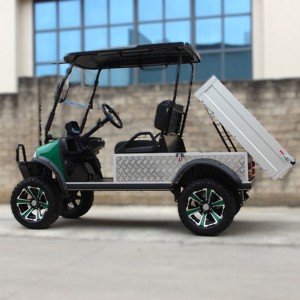
Explore our export-ready specialized electric utility vehicles, heavy-duty chassis equipment, and turf management vehicles engineered for global resort, municipal, and commercial facilities.
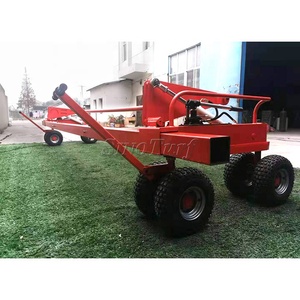
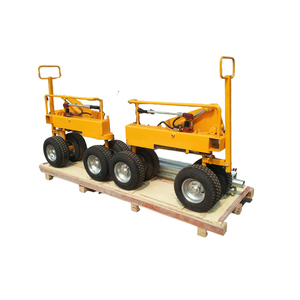
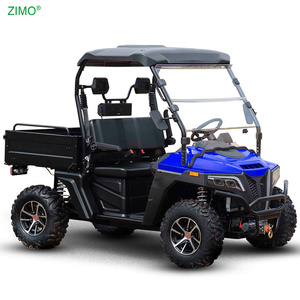
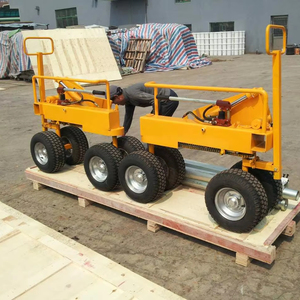
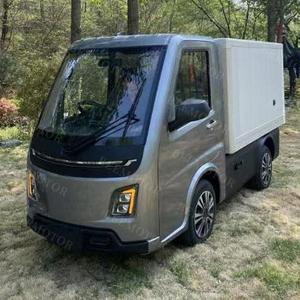
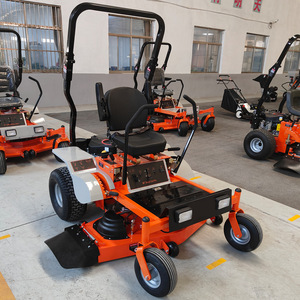
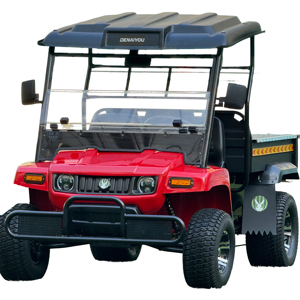
Operating an integrated 18,000 m² smart manufacturing plant, MAC EV bridges high-capacity industrial production with custom tailor-made electric vehicle solutions for worldwide distribution.
Unlike assemblers relying on third-party structural sourcing, our facility houses full robotic tube bending, automated laser cutting, and electro-coating lines. Every frame is subjected to a 480-hour salt-spray test to eliminate corrosion vulnerabilities in coastal environments.
We engineer 5 kW to 7.5 kW brushless AC induction drivetrains coupled with intelligent CAN-bus controllers. This system delivers flat torque curves across varying gradients while reducing thermal stress during extended operational duty cycles.
Our engineering team handles direct regulatory documentation for global buyers. LSVs leave assembly lines fully equipped with FMVSS 500 compliant safety elements, 17-digit VIN stamping, DOT safety glass, and certified 3-point restraint systems.
Understanding shifting technical architectures, power density innovations, and international safety compliance standards for enterprise fleet buyers and regional distributors.
The global fleet market is rapidly sunsetting traditional flooded lead-acid batteries. By 2026, over 90% of commercial golf carts and LSV procurement tenders specify Lithium Iron Phosphate (LiFePO4) chemistry due to its non-combustible thermal profile and superior cycle life.
Modern procurement demands integrated CAN-bus Battery Management Systems (BMS) that actively balance individual cell voltages, monitor thermal limits in real-time, and transmit telemetry data directly to fleet operators. This shift delivers up to 60% weight reduction, zero terminal maintenance, and a lower total cost of ownership (TCO) across 5-year operating lifecycles.
Municipalities worldwide are expanding on-road access for Low Speed Vehicles (LSV) limited to 20–25 mph speeds. Buyers are shifting procurement focus from isolated fairway carts to dual-use, DOT-compliant platforms.
OEM/ODM suppliers must integrate automotive-grade componentry directly at the factory stage: laminated safety glass windshields with windshield wipers, self-canceling turn indicators, illuminated side mirrors, four-wheel hydraulic disc braking, and 17-digit VIN structures required for state license plate registration.
Enterprise buyers for resorts, universities, and commercial campuses require digital control over vehicle fleets. Future vehicle designs integrate digital HMI touchscreen dashboards with built-in IoT connectivity.
Fleet administrators can set geofencing boundaries, cap max speeds for specific zones, track real-time vehicle location, and receive proactive maintenance alerts before minor hardware wear turns into costly operational downtime.
Rising international ocean freight costs have made shipping efficiency a core engineering metric. Leading OEM suppliers are adopting modular frame architectures where roof supports, windshield assemblies, and rear seating kits drop down easily for container loading.
By engineering chassis frames specifically to maximize 40HQ container footprint utilization without causing structural damage, exporters increase shipping density from 6 units to up to 10 units per container, dropping per-unit landing costs dramatically.
A direct side-by-side performance breakdown comparing entry-level fleet standards against MAC EV's high-specification OEM commercial export standards.
| Engineering Parameter | Standard Market Entry Level | MAC EV Enterprise OEM Standard | Fleet Operational Impact |
|---|---|---|---|
| Motor & Powertrain | 3.7 kW DC Series / Mechanical Commutator | 5.0 kW – 7.5 kW AC Induction Motor | +25% Energy Efficiency, Zero Brush Wear, Constant Torque on Slopes |
| Battery Technology | Flooded Lead-Acid (6V/8V Lead-Acid Banks) | 48V/72V LiFePO4 with CAN-Bus BMS | 3,500+ Cycles, 60% Weight Reduction, Zero Water Servicing Required |
| Braking System | Rear Mechanical Drum Brakes | 4-Wheel Hydraulic Disc Brakes | 50% Shorter Stopping Distance when fully loaded with 6 Passengers |
| Suspension Architecture | Standard Leaf Springs & Hydraulic Shocks | Independent Double A-Arm + Coil-Over Shocks | Superior Passenger Comfort, Extended Bushing Life on Rough Paths |
| Chassis Treatment | Single-Layer Fluid Spray Paint | Cathodic Dip Electro-Coating + Powder Coat | 480-Hour Salt-Spray Anti-Corrosion Rating for Ocean Coastal Resorts |
| Homologation Support | Off-Road Only (No Vin Documentation) | DOT FMVSS 500 / CE / 17-Digit VIN Stamped | Fully eligible for street-legal registration in global markets |
From custom chassis dimensions to localized market regulatory compliance, our step-by-step engineering workflow turns your brand specifications into production reality.
We analyze your target market's duty cycles, climate conditions, payload demands, and regional speed laws. Our engineering team prepares 3D CAD models and Finite Element Analysis (FEA) structural stress simulations.
A physical prototype is assembled for rigorous physical stress testing, slope gradient climbs, battery thermal benchmarking, and DOT/CE compliance validation before entering mass production tooling.
Specify body colorways, custom stitched premium marine-grade upholstery, branded aluminum alloy wheels, dashboard graphic interfaces, dynamic badging, and tailored accessory packaging.
Mass production utilizes robotic frame welding lines, automated dip coating tanks, strict torque calibration assembly lines, and inline wiring harness insulation checks.
Every single vehicle undergoes full operational testing, including water tightness rain-booth testing, brake dyno testing, battery BMS calibration, and high-speed stability testing.
Vehicles are secured inside shipping containers using engineered steel frame racks. Importers receive full spare-parts exploded views, diagnostic wiring diagrams, and technical training videos.
Essential technical, export, and compliance guidance for global dealers, fleet purchasers, and commercial buyers.
A standard golf cart is strictly designed for off-road environments such as golf courses or private property, typically capped at 15 mph. A Low Speed Vehicle (LSV) is a legally recognized motor vehicle category certified to reach speeds of 20 to 25 mph. LSVs must be factory-equipped with specific safety components: a 17-digit VIN, DOT-approved laminated glass windshield, 3-point seat belts, headlights, brake lights, turn indicators, side mirrors, and four-wheel hydraulic braking. MAC EV manufactures both vehicle configurations on reinforced chassis platforms.
Lithium Iron Phosphate (LiFePO4) chemistry offers massive operational and cost benefits over lead-acid batteries. LiFePO4 packs last 3,500+ charge cycles compared to roughly 500–800 cycles for lead-acid. They weigh up to 60% less (improving vehicle acceleration and range), require zero maintenance watering or terminal cleaning, and maintain steady output voltage across the entire discharge cycle. This eliminates slope speed-fade and allows opportunity fast-charging during mid-day breaks.
Every shipment from MAC EV includes complete compliance documentation suited for regional customs clearance. We supply UN38.3 test reports and Material Safety Data Sheets (MSDS) for lithium battery ocean transport, CE Declarations of Conformity for European markets, DOT compliance documentation for US buyers, Certificate of Origin, detailed commercial invoices, packing lists, and customized 17-digit VIN allocation files for registration authorities.
Yes. As a direct OEM/ODM manufacturer, we offer full private-label manufacturing programs. Buyers can specify custom PPG body colors, two-tone schemes, marine-grade upholstery color stitching, customized alloy wheel styles, branded front cowl emblems, personalized touchscreen boot screens, and custom-printed user manuals. Minimum Order Quantities (MOQ) for full OEM customization typically start at one 20FT or 40HQ container lot.
Standard fleet orders typically ship within 20 to 30 calendar days from initial deposit confirmation, while customized OEM orders require roughly 35 to 45 days depending on component tooling requirements. For logistics optimization, a standard 40HQ container can accommodate 8 to 10 vehicles depending on whether the models feature 4-passenger or 6-passenger configurations, lifted suspension kits, or drop-down roof frame designs.
MAC EV provides a comprehensive multi-year factory warranty covering the lithium battery pack (36 months), AC powertrain motor and controller (24 months), and frame structure (60 months). We ship a recommended "fast-moving spare parts package" alongside initial container orders (including brake pads, light assemblies, switches, and bushings). Warranty claims are verified via digital diagnostic logs, and replacement components are shipped rapidly via air express.
Partner directly with a leading electric vehicle manufacturer. Contact our engineering and sales export department today to discuss your fleet specifications, custom branding, or regional distribution terms.
Inquire Now