Engineered for rigorous commercial environments, our specialized offroad electric utility platforms combine high-flotation tread designs, heavy-duty chassis engineering, and advanced drivetrain integration for maximum productivity.
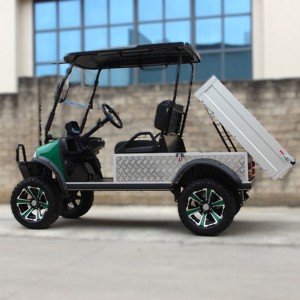
CE certified facility transport car featuring a heavy-duty powder-coated steel chassis, reinforced all-terrain tread pattern, and high-torque AC motor setup.
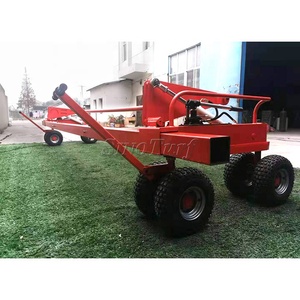
Heavy-load lawn transport machinery engineered with ultra-wide low-psi tires to mitigate surface compaction during large-scale sports field installations.
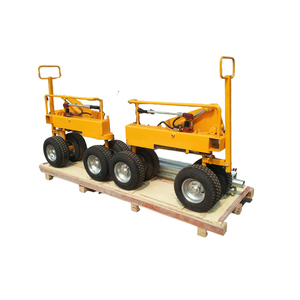
Mobile turf loading and spreading vehicle tailored for commercial playgrounds and athletic grounds, utilizing high-flotation deep lug offroad tires.
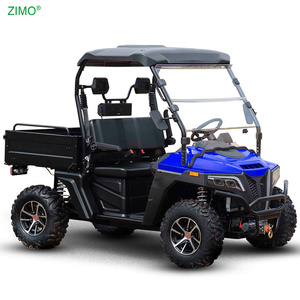
Four-wheel-drive multi-terrain utility vehicle with aggressive directional mud/turf treads, independent suspension, and high ground clearance.
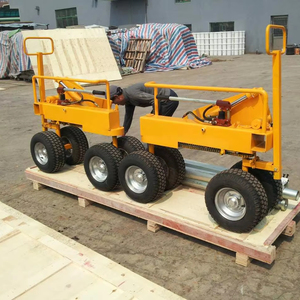
Specialized off-highway turf paving transport vehicle configured with modular rim offsets and wide-footprint rubber crawlers/tires for heavy roll laying.
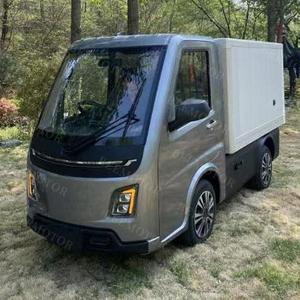
2-seat pickup utility cart optimized for resorts, municipal facilities, and commercial farms with lithium powertrain and non-marking offroad tires.
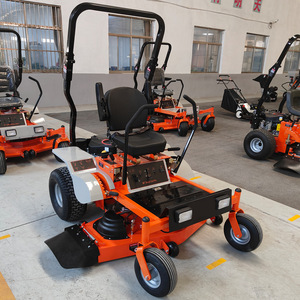
High-precision commercial zero-turn lawn vehicle equipped with smooth-shoulder traction tires to eliminate turf scuffing during zero-radius maneuvering.
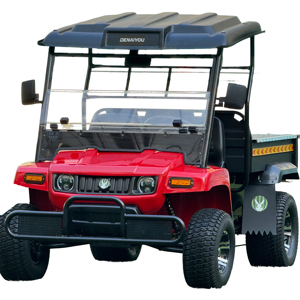
Heavy-duty lawn maintenance dump truck featuring dual rear wheels with high-load ply radial offroad tires, designed for soil, gravel, and green waste transport.
Modern commercial turf management, agricultural logistics, and resort operations are enforcing strict environmental and soil-preservation mandates. Traditional off-highway tires featuring aggressive, sharp-angled lugs frequently cause severe shear stress on turf grass root zones, leading to costly re-sodding and soil erosion. Procurement leaders are increasingly sourcing customized OEM/ODM tire profiles engineered with high-flotation footprints, rounded shoulders, and optimized land-to-sea tread ratios.
As golf courses, sports arenas, and eco-resorts upgrade their utility fleets, the demand for non-marking silica compounds combined with multi-directional tread blocks has surged. B2B purchasers now mandate supplier validation through ground-pressure modeling (measured in PSI/kPa) alongside traditional load index ratings.
The global acceleration of commercial vehicle electrification—ranging from lithium-ion golf carts to 4WD electric utility trucks—places unprecedented demands on offroad tires. Instant torque delivery from AC induction and permanent magnet synchronous motors (PMSM) accelerates tread wear if traditional rubber formulas are utilized.
Future OEM/ODM tire procurement mandates specialized synthetic elastomer blends incorporating high-dispersion silica and carbon-black reinforced networks. These advanced formulations offer:
| Tire Formulation & Tread Type | Primary Application | Shore A Durometer | Ground Pressure (PSI) | Wear Life Rating |
|---|---|---|---|---|
| Ultra-Flotation Turf Saver (OEM Soft) | Golf Courses, Fine Lawn Trimmers | 55 - 60 A | 10 - 14 PSI | 3,500 Hours |
| Commercial Utility Radial (ODM Heavy Duty) | Facility Hauling, Farm Pick-Up | 65 - 70 A | 18 - 24 PSI | 5,000 Hours |
| Deep Lug All-Terrain Mud/Rock | 4WD Ranches, Unpaved Trails | 70 - 75 A | 22 - 28 PSI | 4,200 Hours |
| Non-Marking Silica Synthetic Compound | Indoor/Outdoor Arena & Stadiums | 62 - 67 A | 12 - 16 PSI | 3,800 Hours |
How Next-Generation Offroad Tires & Utility Mobility Systems are Redefining Operational Efficiency
Transitioning from basic 4-ply nylon bias tires to 8-ply and 12-ply aramid/steel-belted radial architectures. This breakthrough delivers zero-puncture reliability across thorn-dense ranches, construction debris, and sharp gravel routes.
Integration of embedded RFID and Bluetooth low-energy (BLE) pressure/temperature sensors directly into the internal tire liner. Wireless telemetry interfaces with vehicle CAN-bus systems to prevent under-inflation failures and optimize fleet energy consumption.
Computer-optimized tread pitch angles create self-cleaning voids that naturally eject mud, clay, and lawn debris during rotation. This ensures continuous mechanical grip on steep inclines without clogging the tread face.
Our manufacturing complex operates across an 18,000 square meter state-of-the-art facility equipped with precision rubber compounding mills, automated vulcanization presses, robot-welded chassis lines, and digital quality control laboratories. Unlike pure assembly vendors who source off-the-shelf components, our end-to-end oversight ensures seamless integration between tire mechanical properties, wheel rim offset specs, axle gear ratios, and suspension kinematics.
Computerized temperature & pressure curing for zero internal voiding and uniform compound density.
50,000-cycle continuous bead-unseating and lateral impact stress validation per OEM model.
In-house suspension tuning guarantees optimal scrub radius and zero fender rubbing under full compression.
To support global distributors and original equipment manufacturers (OEMs), our operations maintain complete compliance certification including ISO9001:2015 Quality Management Systems, ISO14001 Environmental Standard, CE certification, and REACH chemical safety standards for rubber oil extenders. Every production lot undergoes rigorous laboratory inspections:
Engineering and Sourcing Clarifications for OEM/ODM Buyers & Fleet Distributors
For custom OEM tread patterns requiring proprietary mold creation, standard tooling fabrication takes 35 to 45 business days. Mold development costs are typically amortized or refunded upon reaching agreed volume benchmarks (e.g., 2,000 units). Initial trial orders for standard production molds can be accommodated starting at 100 units per specification.
We formulate specialized rubber masterbatches based on target deployment zones. For tropical or high-UV environments (such as coastal resorts or desert solar farms), elevated concentrations of anti-ozonants (6PPD) and UV-inhibitors are blended to prevent sidewall micro-cracking. For arctic or sub-zero agricultural use, specialized low-glass-transition (Low-Tg) synthetic polymers maintain rubber flexibility down to -40°C.
Yes. We offer complete ODM private-label customization including custom powder-coat color matching (RAL color codes), laser-engraved center caps, custom wheel offset engineering (ET positioning), PCD bolt pattern customization, and customized branded packaging for container shipments.
Radial tires feature flexible sidewalls and a rigid tread crown, distributing weight evenly across a broader footprint. This reduces rolling resistance by 10–15% and improves ride comfort at speeds above 20 km/h. Bias-ply tires offer stiffer, puncture-resistant sidewalls ideal for low-speed heavy hauling (<15 km/h) over rugged rocky terrain. Our engineering team assists buyers in selecting the optimal carcass based on duty cycle.
Our logistics team utilizes CAD-modeled container packing software. Complete utility carts are shipped with removable roof/windshield racks or modular crate packing, allowing a standard 40HQ container to house up to 8–10 complete units or up to 1,200 loose mounted wheel assemblies, minimizing freight costs per unit.
Every shipment is accompanied by complete documentation including Bill of Lading, Commercial Invoice, Packing List, Certificate of Origin (Form E/CO), MSDS reports for lithium battery units, UN38.3 transport safety certificates, CE Declarations of Conformity, and ISO factory audit documentation.
Whether you require custom tire compounds, specialized high-flotation wheel assemblies, or complete commercial electric utility vehicle fleets, our engineering team delivers tailored manufacturing solutions backed by global warranty support.
