Explore our factory-direct OEM and ODM production portfolio. Built with heavy-duty automotive chassis standards, high-efficiency AC drivetrains, and compliant lithium-ion battery integration for global commercial deployment.
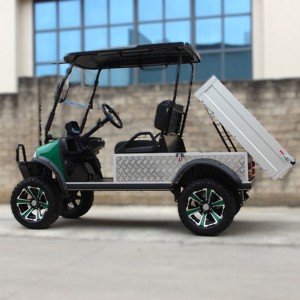
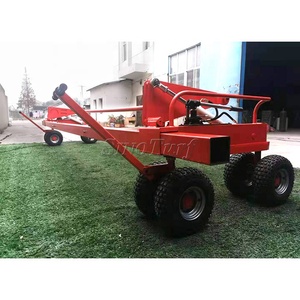
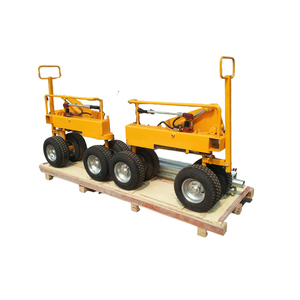
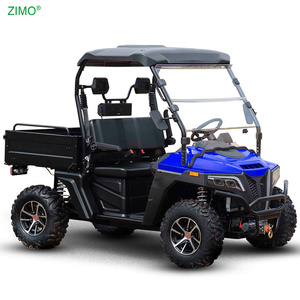
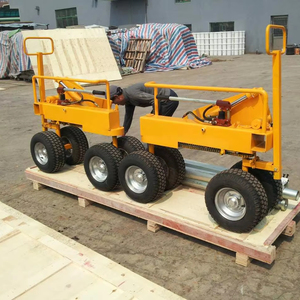
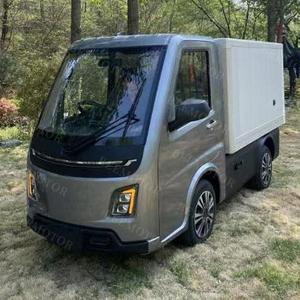
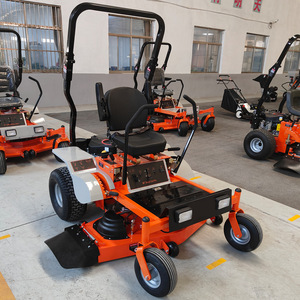
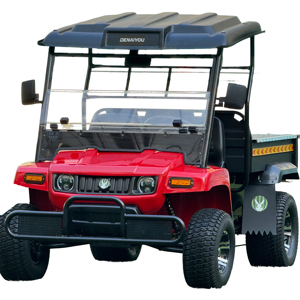
From raw chassis fabrication to smart CAN-bus programming, our vertically integrated plant delivers customized urban mobility solutions tailored to international dealer standards and operational specs.
Robotically welded high-strength carbon steel frames featuring cathodic dip electrocoating (E-coat) to prevent corrosion under extreme coastal and high-humidity operational conditions.
Advanced 5kW to 7.5kW AC induction motors equipped with intelligent regenerative braking. Delivers up to 25% increased energy efficiency compared to traditional DC series configurations.
Thermodynamically controlled Lithium Iron Phosphate power units managed by smart CAN-bus BMS for real-time thermal protection, cell balancing, and over 3,500 life cycles.
Factory-supported homologation packages including 17-digit VIN stamping, DOT safety glass windshields, 3-point seatbelts, FMVSS 500 lighting arrays, and UN38.3 lithium export paperwork.
10.1-inch anti-glare touch displays featuring integrated reversing cameras, fleet tracking telemetry modules, speed limiting modes, and customized dashboard branding for enterprise clients.
Optimized container loading programs utilizing steel frame crating and standardized Knock-Down assemblies (SKD/CKD) to maximize 40HQ container payload and reduce import duty tariffs.
The global urban mobility and commercial low-speed electric vehicle (LSV) sector is undergoing a fundamental structural transition. Driven by municipal carbon-neutrality mandates, corporate ESG commitments, and the rapid expansion of mixed-use real estate, resort ecosystems, and large-scale industrial complexes, the demand for high-reliability, zero-emission utility carts has scaled exponentially. Enterprise buyers and global importers are shifting focus from traditional low-cost assembly to original equipment engineering, long-term total cost of ownership (TCO), and complete regulatory compliance.
Historically, commercial turf, facility maintenance, and resort transport relied heavily on modified golf cart platforms derived from simple lead-acid architectures and DC motor systems. However, modern operational environments demand specialized vehicles capable of continuous multi-shift operations, heavy payload capacity, high gradeability on unpaved terrain, and integrated telemetry for centralized fleet tracking. OEM/ODM manufacturers capable of delivering structural FEA-tested chassis, high-voltage powertrain scalability, and direct compliance support have emerged as the primary growth drivers in the global mobility supply chain.
Industry Benchmarking Insight: Modern commercial fleet managers report up to a 42% reduction in maintenance overhead when transitioning from traditional DC lead-acid carts to sealed AC induction drivetrains powered by CAN-bus monitored LiFePO4 battery modules.
Our integrated manufacturing base operates under ISO 9001:2015 certified protocols. Unlike standard assembly operations that outsource critical structural components, our facility handles high-precision pipe bending, automated robotic MIG welding, E-coat immersion, and wiring harness production in-house. This ensures that every chassis unit destined for European (CE / L7e homologation) or North American (DOT / FMVSS 500) markets meets exact tensile strength and torsion tolerance criteria.
Every commercial vehicle undergoes a rigorous 100-point quality check prior to container loading, including dynamic brake testing under maximum rated payload, simulated torrential water ingress verification, and a 480-hour salt spray corrosion testing regimen on all structural fasteners and powder-coated steel brackets.

Navigating the next decade of commercial utility cart procurement requires an understanding of critical technology transitions within powertrain, battery chemistry, structural metallurgy, and vehicle electronics. Enterprise procurement officers and distributors must align their sourcing strategies with the following technology vectors:
Lithium Iron Phosphate (LiFePO4) has become the gold standard for commercial utility vehicles due to its thermal stability, safety profile, and high cycle endurance compared to Nickel Manganese Cobalt (NMC) or traditional Flooded Lead-Acid chemistries. Operating at 48V, 72V, or high-voltage architectures, LiFePO4 packs eliminate battery room maintenance, acid spills, and watering requirements. Crucially, integrated smart BMS units communicate via CAN-bus protocol directly with the motor controller, adjusting voltage limits in real time to prevent deep discharges and thermal runaways while supporting rapid opportunity charging during shift breaks.
Brushed DC motors are being systematically replaced by brushless AC induction and Permanent Magnet Synchronous Motors (PMSM). Operating under IP67 rating, these motor assemblies are completely sealed against sand, dust, mud, and water ingress. The integration of solid-state motor controllers allows for custom-tuned regenerative braking maps that feed kinetic energy back into the battery during deceleration on downhill gradients, simultaneously preserving friction brake linings and extending operational single-charge range by 15% to 22%.
As commercial electric utility carts increase payload capacities up to 800kg and operate at speeds between 25 km/h and 45 km/h, traditional mechanical drum braking systems present significant safety risks. OEM standardizations now dictate 4-wheel dual-circuit hydraulic disc brakes equipped with wear indicators and auto-adjusting calipers. Suspension design has evolved from rigid leaf springs to independent dual A-arm front suspensions paired with adjustable gas-charged coil-over shock absorbers, dramatically improving vehicle stability, tire traction, and driver comfort across rough terrain.
| Engineering Parameter | Legacy Lead-Acid / DC Platform | Next-Gen OEM LiFePO4 / AC Platform | Fleet Procurement Impact |
|---|---|---|---|
| Battery Life Cycle | 500 - 800 Cycles (1.5 - 2 Years) | 3,500+ Cycles (8 - 10 Years) | 75% Reduction in Battery Replacement Costs |
| Maintenance Profile | Weekly Distilled Water Top-off, Terminal De-scaling | Zero Maintenance Sealed Module | Eliminates Dedicated Battery Maintenance Labor |
| Drivetrain Efficiency | 65% - 72% (DC Brush System) | 90% - 94% (Sealed AC / PMSM) | Extended Range per kWh & Lower Energy Bills |
| Braking Performance | 2-Wheel Rear Drum (Cable Actuated) | 4-Wheel Hydraulic Disc + Regenerative AC | Shorter Stopping Distance, Zero Cable Stretch Failure |
| Chassis Protection | Standard Primer Paint | E-Coat Immersion + Robotic Powder Coat | Prevents Rust Failure in Coastal / De-icing Environments |
As global supply chains normalize, wholesale buyers and fleet fleet managers are enforcing stricter requirements on OEM/ODM partners. Strategic procurement strategies emphasize three core operational objectives:
1. Modular Chassis & Quick-Change Attachments: Specialized commercial applications—such as artificial turf installation, landscape maintenance, agricultural spraying, and campus luggage transport—require flexible platform configurations. Sourcing modular utility vehicles equipped with standardized mounting points, hydraulic power take-off (PTO) options, and manual/electric tilt beds enables fleet operators to swap utility bodies (e.g., flatbeds, dump boxes, turf spreaders) on a single chassis base.
2. Telematics Gateways & IoT Fleet Integration: High-density urban mobility programs and rental fleets rely on real-time data visibility. Modern ODM manufacturing includes onboard 4G/GPS telemetry hardware that streams battery state-of-charge (SOC), diagnostic trouble codes (DTC), real-time geofencing alerts, and operator behavior metrics directly to centralized cloud management platforms.
3. CKD/SKD Assembly Programs for Tariff Efficiency: To mitigate volatile shipping costs and complex import tariffs across North America, South America, and the European Union, leading exporters offer Semi-Knocked-Down (SKD) and Completely Knocked-Down (CKD) supply solutions. Providing engineered assembly fixtures, detailed wire-harness schematics, and technician training enables regional distributors to assemble vehicles locally, reducing freight volumes by up to 60% per 40HQ container.
Get authoritative answers regarding engineering standards, custom ODM development, global certification compliance, and container shipping logistics.
