Electric Vehicle Manufacturing & Global Export  |  OEM · ODM · Dealer Programs

Top 10 Electric Shuttle Factories & Suppliers

2025 Global Fleet Procurement Whitepaper: OEM/ODM Analysis, Lithium Technology & Commercial Operations

3,500+ LiFePO4 Lifecycle Cycles
480 Hrs Salt-Spray Corrosion Resistance
400 kg Heavy-Duty Cargo Capacity
DOT / CE Global Safety Homologation
Featured Fleet Equipment

Top-Rated Electric Shuttles & Commercial Utility Vehicles

Engineered for campus logistics, luxury hospitality, athletic turf management, and municipal transportation.
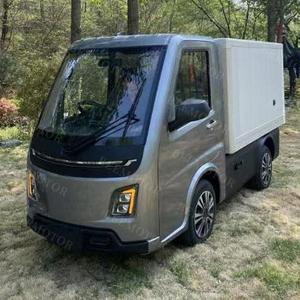
HDK Turfman 700 Electric Utility Vehicle

HDK Turfman 700 Electric Utility Vehicle with Heavy Duty Chassis

  • Certifications: CE / ISO9001
  • Motor System: 5 kW AC Drivetrain
  • Battery Tech: 48V Lithium-Ion
  • Application: Campus & Facility
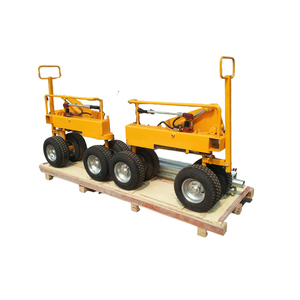
Transporting and Spreading Artificial Turf Carts

Transporting and Spreading Artificial Turf Carts Lawn Transport

  • Payload Class: Commercial Turf
  • Brake System: Hydraulic Disc
  • Drive Architecture: High-Torque Gearbox
  • Application: Stadium & Golf Maintenance
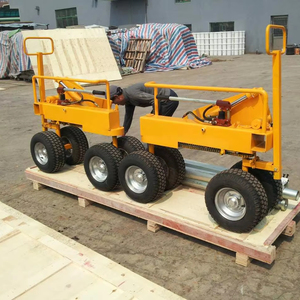
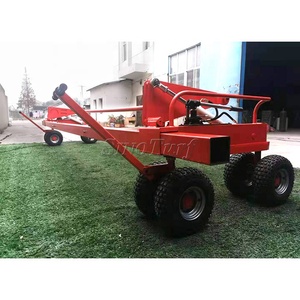
Artificial Grass Roll Lifting and Laying Machine

Artificial Grass Roll Lifting and Laying Machine Mobile Turf Carrier

  • Operation: Hydraulic Boom & Lift
  • Control System: Precision Servo AC
  • Frame Structure: Reinforced Tubular Steel
  • Application: Playground & Arena Setup
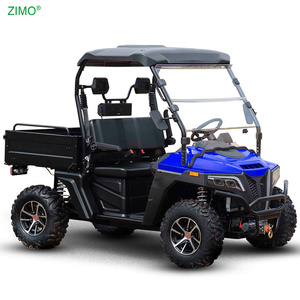
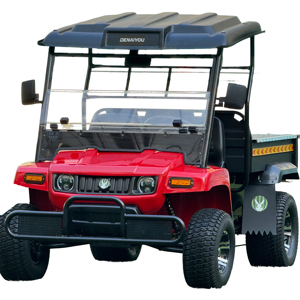
New 4 Wheel Drive Farm Turf Utility Vehicle

New 4 Wheel Drive Farm Turf Heavy Duty Electric Utility Vehicle

  • Drivetrain: Dual-Motor 4WD AC
  • Ground Clearance: 235 mm Lifted
  • Climbing Grade: Up to 30% Incline
  • Application: Ranch, Beach & Resort
High Efficiency Artificial Grass Transport Paving Machine

High Efficiency Artificial Grass Transport Paving Machine Turf Carrier

  • Efficiency: Automated Roll Unloader
  • Power Source: LiFePO4 Modular Pack
  • Tires: Turf-Friendly Low-PSI
  • Application: Sports Facility Operations
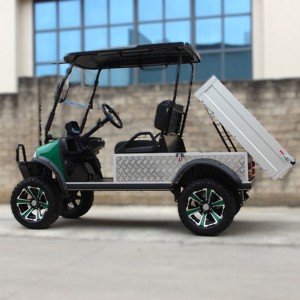
2025 Electric Turf Utility Commercial Cart

2025 Commercial Electric Utility Cart with Cargo Bed 2-Seat Pickup

  • Bed Capacity: 400 kg Aluminum Deck
  • Speed Rating: 25 mph (DOT LSV Ready)
  • Display: 10.1" IP65 Touchscreen
  • Application: Hotel Logistics & Farm Use
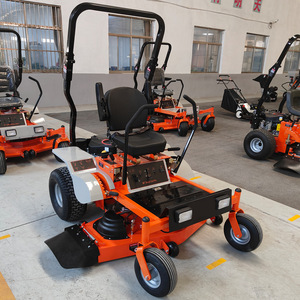
Ride on Lawn Vehicle Zero Turn Turf Trimmer

Comfortable Seated Ride-on Lawn Vehicle Zero Turn Turf Trimmer

  • Turning Radius: Zero-Turn Hydro-Gear
  • Ergonomics: Full-Suspension Seat
  • Battery Range: 6-8 Hours Continuous
  • Application: Estate & Municipal Parks
Electric Turf Dump Truck for Lawn Maintenance

Electric Turf Dump Truck for Heavy-Duty Lawn & Grounds Maintenance

  • Dump Mechanism: Hydraulic Power Lift
  • Chassis Protection: Hot-Dip Galvanized
  • Max Torque: Instant-Low RPM AC
  • Application: Heavy Waste & Soil Transport

Global Commercial Electric Shuttle Market: Strategic OEM Sourcing Analysis

The global low-speed vehicle (LSV) and electric shuttle procurement landscape is undergoing an unprecedented structural transition. Accelerated by aggressive corporate net-zero mandates, municipal low-emission zone (LEZ) enforcement, and an escalating Total Cost of Ownership (TCO) advantage, commercial buyers are shifting away from internal combustion engine (ICE) utility carts and legacy lead-acid fleets toward high-efficiency LiFePO4 lithium-powered AC electric shuttles.

Procurement directors in hospitality resorts, university campuses, gated residential communities, and commercial sports complexes face complex operational variables. Selecting an original equipment manufacturer (OEM) or original design manufacturer (ODM) requires evaluating thermal management, frame anti-corrosion, controller calibration, and DOT/CE homologation standards.

Industry Information Gain: According to 2024 fleet telemetry data, switching from 48V flooded lead-acid battery packs to CAN-bus integrated LiFePO4 chemistry yields a 64% reduction in per-hour maintenance costs, eliminates battery watering labor, and extends service lifetimes from 600 cycles to over 3,500 continuous charge cycles.

Key Market Drivers Shaping 2025–2030 Fleet Procurement

  • Automated Drivetrain Efficiency: High-efficiency AC induction and Internal Permanent Magnet (IPM) synchronous motors offer 92–95% efficiency profiles compared to legacy DC series motors (70–75%), recovering up to 18% of kinetic energy via multi-stage regenerative braking.
  • Standardization of DOT & CE Homologation: Commercial buyers now demand factory-fitted Federal Motor Vehicle Safety Standard (FMVSS 500) compliance packages, including 17-digit VIN stamping, DOT-certified laminated windshields, dual hydraulic circuit braking, and 3-point seatbelt systems.
  • Modular Payload Adaptation: Next-generation factory platforms feature interchangeable rear modules, allowing rapid conversion between passenger seating (4-seat, 6-seat, 8-seat shuttles) and heavy-duty utility beds (dump beds, turf spreaders, housekeeping boxes).

Top 10 Electric Shuttle Factories & Supplier Benchmark Matrix

To assist global buyers, dealership networks, and fleet procurement officers in making data-driven sourcing decisions, our engineering team evaluated leading OEM/ODM suppliers across key manufacturing parameters.

Manufacturer / Rank Primary Focus Area Battery Architecture Chassis Construction OEM/ODM Flexibility Global Compliance
1. MAC EV (Lead OEM) Luxury LSVs & Commercial Shuttles CAN-Bus LiFePO4 (105Ah–150Ah) Hot-Dip Galvanized / E-Coated Steel Full White-Label & Custom Bodywork DOT FMVSS 500, CE, EEC, ISO9001
2. HDK Electric Vehicle Turf Utility & Campus Vehicles Lithium / Lead-Acid Options Welded Tubular Steel Standardized Modular Packs CE, ISO9001
3. Club Car (Commercial) Golf & Resort Operations Proprietary Lithium / Lead-Acid Aluminum Ladder Frame Restricted Proprietary Parts DOT, CE
4. E-Z-GO (Cushman) Industrial & Turf Maintenance Samsung SDI Lithium / Lead-Acid Powder-Coated Steel Limited OEM Customization DOT, CE
5. Yamaha Golf Car Golf & Gated Communities Lead-Acid / AGM / Lithium Robot-Welded Automotive Steel Fixed Dealer Specifications CE, ISO9001
6. Star EV Passenger Shuttles & Campus Buses Deep-Cycle Lithium Options Steel Frame with Undercoating Moderate Fleet Branding DOT Street Legal Class
7. Marshell Green Power Sightseeing Shuttles & Sweepers Lithium-Iron Phosphate Pressed Steel Frame High Volume OEM Support CE, ISO14001
8. Garia Utility Luxury Commercial Mobility Custom Lithium Modules Aluminum Hydroformed Frame Premium Custom Finishes e-Mark, DOT
9. Columbia Vehicle Group Industrial Heavy Haulers Industrial Lead-Acid / Lithium Heavy-Gauge Steel Plate Custom Utility Bodies OSHA / CE Alignment
10. Polaris Commercial (GEM) Street Legal Electric Micro-Mobility Modular Lithium-Ion Aluminum Spatial Frame Select Fleet Color Packages DOT FMVSS 500

Technical Deep-Dive: Core Components That Determine Fleet Longevity

When procuring commercial electric shuttles and turf haulers, fleet downtime directly impacts operational revenue. Inspecting four core engineering subsystems before issuing purchase orders ensures long-term operational resilience.

AC Brushless Drivetrains

Modern 5kW to 7.5kW AC induction motors eliminate carbon brush wear, operate at up to 95% thermal efficiency, and provide flat torque down to 0 RPM for effortless slope navigation under full passenger loads.

CAN-Bus Smart BMS

Integrated LiFePO4 battery management systems communicate directly with motor controllers, monitoring single-cell voltages, ambient temperatures, and current draw to prevent thermal runaway and optimize cell balance.

4-Wheel Hydraulic Disc Brakes

Dual-circuit hydraulic disc braking on all four wheels delivers short stopping distances under maximum payload conditions, overcoming the dangerous brake-fade inherent in traditional mechanical rear-drum carts.

Corrosion Protection

Frames undergo automotive-grade dip electrocoating (E-coat) followed by heavy powder coating or complete hot-dip galvanization, passing 480-hour ASTM B117 salt-spray tests for humid coastal resorts.

Future Sourcing & Technology Trends (2025–2030)

Procurement teams managing multi-year fleet replacement plans must account for emerging technological shifts. Sourcing decisions made today will impact fleet operational costs over the next 7 to 10 years.

1. Telematics and Fleet Management Integration

Modern electric shuttles are evolving into connected IoT endpoints. Advanced telematics systems embedded into the vehicle control unit (VCU) offer fleet operators real-time visibility into vehicle locations, battery state of charge (SoC), remote fault diagnostics, driver speed compliance, and automated geofencing.

2. Solar-Assisted Auxiliary Charging

Factory-integrated roof-mounted monocrystalline solar panels are becoming standard on long-range shuttle vehicles. Generating between 200W and 450W of continuous trickle charge, solar-roof architectures extend daily operational range by 12–18%, reducing reliance on grid infrastructure during peak operating hours.

3. Solid-State Lithium Battery Migration

While LiFePO4 remains the benchmark chemistry for heavy duty utility carts due to thermal stability and cycle life, early commercial trials of semi-solid-state lithium cells indicate a 40% reduction in battery pack weight alongside 2x energy density by 2028.

Enterprise Advantage: MAC EV Global OEM/ODM Production Standard

As a global electric vehicle manufacturer, MAC EV integrates automated chassis manufacturing, precision powertrain calibration, and total quality verification under one 18,000 m² facility.

100-Point Factory QA Inspection

Every shuttle undergoes dynamic road testing, water-tightness chamber testing, and electrical load stress testing.

Full OEM/ODM Branding Support

Custom body color matching, embroidered luxury upholstery, dashboard graphics, and dealer emblem badging.

Container-Optimized Global Export

Skid-mounted protective packing designed to maximize 40HQ container load counts (8 to 10 units per container).

Complete Regulatory Homologation

Full supply of UN38.3 battery certifications, MSDS documentation, CE declarations, and DOT compliance files.

Electric Shuttle Sourcing & Procurement FAQ

Clear, technical answers to common questions asked by B2B buyers, fleet managers, and international distributors.

What is the practical difference between a Standard Electric Golf Cart and a DOT-Rated LSV Electric Shuttle?
A standard electric golf cart is engineered for off-highway private property use, capped at 15–19 mph, and lacks mandatory automotive safety equipment. A DOT-rated Low-Speed Vehicle (LSV) is a federally recognized motor vehicle category capable of 20–25 mph. It requires DOT-certified laminated safety glass, 3-point seatbelts, headlights, taillights, turn signals, mirrors, a parking brake, and a 17-digit Vehicle Identification Number (VIN) for legal operation on public roads posted at 35 mph or less.
Why is LiFePO4 battery chemistry preferred over Lead-Acid for commercial fleets?
Lithium Iron Phosphate (LiFePO4) offers significant advantages over flooded lead-acid batteries: 3,500+ charge cycles versus 500–800 cycles, zero routine maintenance (no watering or corrosion cleaning), up to 60% weight reduction, and flat voltage discharge curves. This maintains full motor torque even at 20% state-of-charge. Opportunity charging during shift breaks allows 24/7 fleet uptime.
How do ambient temperatures and gradient inclines affect real-world battery range?
Cold weather (below 0°C / 32°F) can temporarily reduce lithium battery chemical activity, decreasing effective range by 15–20% unless equiped with a self-heating BMS system. Operating continuous 20–30% gradient climbs under full passenger loading increases motor current draw, which can lower range by up to 35% compared to flat ground operations. Sourcing a high-capacity 150Ah pack mitigates range anxiety for hilly terrain.
What OEM/ODM customization options are available for corporate fleet buyers?
Full OEM/ODM support includes custom pantone body paint finishes, custom upholstery stitching, logo laser-engraving, custom dashboard display splash screens, specialized utility bed configurations (hydraulic dumps, turf spreaders, ambulance stretchers), custom alloy wheel designs, and regional voltage charger adaptations (110V/220V/380V).
What lead times and Minimum Order Quantities (MOQ) apply to factory direct orders?
Standard production lead times range from 20 to 30 business days after technical drawing sign-off. Custom tooling or unique homologation requirements may extend lead times to 35–45 days. Minimum Order Quantity (MOQ) for standard models starts at 2 to 4 units (sample evaluations available), while full OEM private-label branding typically starts at 1x 40HQ container load.

Accelerate Your Fleet Electrification Plan

Contact our engineering sales team to request full technical specifications, factory direct wholesale price lists, and container loading schedules.