Equipped with advanced 4-wheel hydraulic disc braking systems, AC motors, and LiFePO4 lithium energy storage.
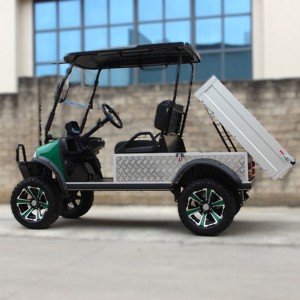
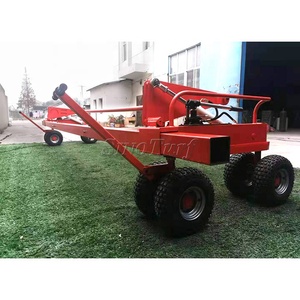
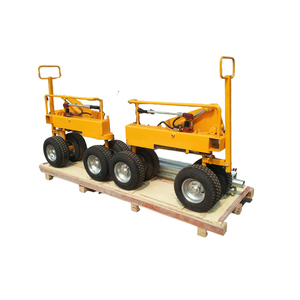
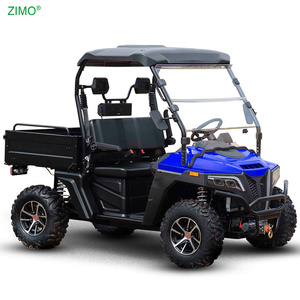
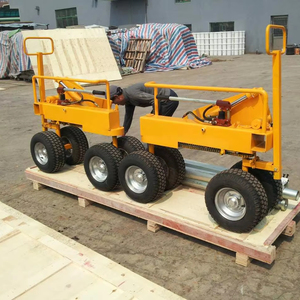
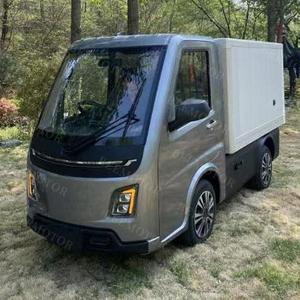
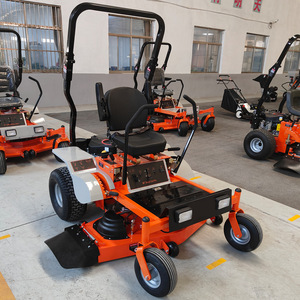
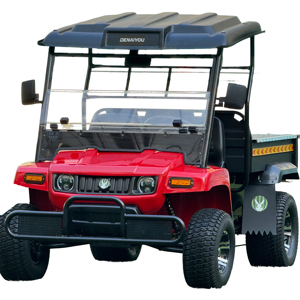
In electric utility vehicles, specialized turf spreading machines, and DOT-rated low-speed vehicles (LSV), braking stability directly determines operational safety, thermal durability, and overall fleet cost per hour.
Unlike traditional drum brakes prone to cable stretch and uneven wear, our hydraulic disc brake architecture utilizes twin hydraulic circuits for uniform piston pressure across all four wheels, ensuring straight-line deceleration even on steep gradients.
Equipped with ventilated cast-iron alloy disc rotors and ceramic-metallic compound friction pads, our brake assemblies withstand continuous heavy payload braking without encountering thermal fading or brake fluid boiling under high duty cycles.
Engineered for full street-legal compliance. Integrated with electronic parking brake (EPB) actuators, emergency stopping safety interlocks, and CAN-bus integration for regenerative brake blending with AC motor drives.
As the global market transitions from legacy lead-acid golf carts and low-speed machinery toward high-performance electric utility vehicles (EUVs), street-legal low-speed vehicles (LSVs), and specialized heavy-duty turf management equipment, braking architecture has emerged as a primary benchmark for vehicle safety and fleet maintenance efficiency. Traditional mechanical drum braking systems—long the standard in basic golf carts—are rapidly being phased out by Tier-1 fleet buyers, commercial resort operators, and agricultural enterprises. In their place, four-wheel hydraulic disc brake systems have established themselves as an indispensable standard.
This technical whitepaper examines the fluid dynamics, mechanical advantage, thermal characteristics, and maintenance lifecycles of commercial hydraulic braking systems. Furthermore, it outlines why selecting a qualified, ISO-certified hydraulic brakes manufacturer and exporter is critical for global distributors, OEM partners, and commercial fleet buyers seeking to mitigate liability, reduce downtime, and achieve compliance with International standards such as CE, FMVSS 500, and DOT regulations.
To evaluate the information gain of modern hydraulic brake integration, engineering teams must analyze the kinetic energy conversion during vehicle deceleration. Braking efficiency is governed by Pascal's Law, which states that fluid pressure applied to a confined liquid is transmitted undiminished in all directions throughout the fluid.
| Performance Metrics | 4-Wheel Hydraulic Disc Brakes (MAC EV Standard) | Mechanical Cable Drum Brakes (Legacy Standard) |
|---|---|---|
| Stopping Distance (from 25 mph / 40 km/h) | < 5.2 Meters (35% Shorter) | > 8.1 Meters (Risk of Cable Stretch) |
| Thermal Fade Resistance | High (Ventilated Rotor Airflow > 450°C Tolerance) | Low (Enclosed Drum Traps Heat > 220°C Fade) |
| Wet Weather & Mud Performance | Self-cleaning caliper wipe action; consistent µ | Water traps inside drum; loss of friction up to 60% |
| Maintenance Interval | 20,000 km or 24 Months (Fluid Flush & Pad Check) | 3,000 km or 6 Months (Cable Tightening & Shoe Adjustment) |
| Regenerative Braking Integration | Seamless AC Motor Torque Blending | Poor Torque Matching; Jerky Deceleration |
| Payload Adaptability (up to 600kg bed load) | Self-adjusting hydraulic caliper pressure ratio | Requires manual brake bias linkage tuning |
In high-capacity utility vehicles such as the HDK Turfman 700 or heavy-duty artificial turf lifting and paving machines, carrying loads exceeding 500 kg over inclined terrain places immense strain on brake linkages. Mechanical drum systems experience "drum expansion" as temperatures rise during continuous downhill braking. As the drum expands outward, the brake pedal travel increases, leading to severe brake fade and potential failure. Conversely, hydraulic disc brake systems utilize a rigid caliper mounted over a rotating rotor. Thermal expansion of the rotor actually moves the braking surface closer to the friction pads, maintaining a firm pedal feel and reliable stopping power.
A critical consideration for B2B procurement managers and OEM designers is the hydraulic fluid medium and caliper metallurgy. Our manufacturing plants employ specialized CNC-machined aluminum alloy caliper housings featuring dual-piston or quad-piston configurations depending on target axle weight ratings (GAWR).
Selecting an authoritative manufacturer involves evaluating production capabilities, factory scale, and validation protocols. Operating across an integrated 18,000 m² manufacturing campus, MAC EV combines automated frame welding, electro-phobic powder coating, electronic harness manufacturing, and automated hydraulic brake bleeding stations.
Every vehicle and brake system exported from our facilities passes through a standardized 100-Point Quality Inspection protocol:
As the electric mobility industry evolves, technical directors and sourcing managers must align with technological trajectories to keep their product lines competitive. The hydraulic braking sector for low-speed and industrial electric vehicles is undergoing three distinct transformations:
Future LSVs and autonomous campus utility carts are shifting from purely mechanical pedal-to-master-cylinder linkages toward Electro-Hydraulic Brake systems. EHB replaces physical brake pedals with electronic sensors that send pedal-speed and force data to a central ECU. The ECU calculates the precise hydraulic pressure needed and activates a high-speed motor-driven pump. EHB enables dynamic brake pedal feel customization, emergency brake assist (EBA), and full compatibility with autonomous driving sensors.
Fleet operators managing hundreds of turf vehicles or resort shuttles face significant maintenance costs if brake pads wear down to the steel backing plates. Next-generation hydraulic calipers incorporate embedded micro-wear sensors connected to the vehicle's CAN-bus network. Maintenance managers receive automated alerts on their cloud dashboards when pad thickness drops below 2mm, allowing for scheduled servicing before rotor damage occurs.
Global environmental standards—including REACH in Europe and state-level regulations in North America—are enforcing strict limits on copper content in friction pads to protect aquatic ecosystems. Modern hydraulic brake manufacturers are leading the development of ceramic-organic matrix pads utilizing basalt fibers, aramid, and synthetic graphite, delivering superior friction coefficients (μ = 0.42 to 0.48) with zero environmental toxicity.
Everything you need to know about sourcing hydraulic brake systems, custom vehicle manufacturing, certifications, and international shipping logistics.
Expand your dealership portfolio or build your custom vehicle fleet with industry-certified 4-wheel hydraulic disc brake technology, premium AC drivetrains, and LiFePO4 lithium power.
Send an Inquiry