Discover heavy-duty electric utility vehicles, turf care machinery, and specialized commercial fleets engineered with next-generation high-efficiency Onboard Chargers (OBC).
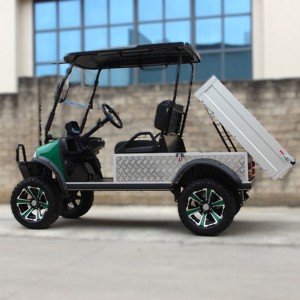
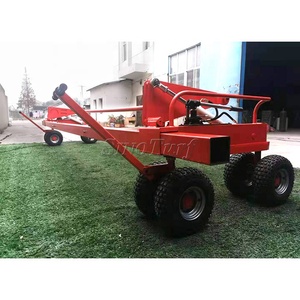
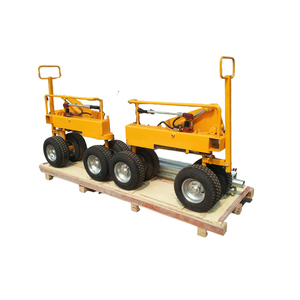
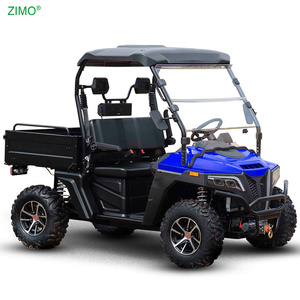
Key operational performance indicators driving selection of tier-1 Onboard Charger OEM partners.
An authoritative comparative whitepaper analyzing tier-1 global manufacturers based on power density, thermal efficiency, CAN protocol flexibility, and industrial fleet reliability.
Specializing in heavy-duty utility carts, golf cars, and industrial lawn equipment. MAC EV integrates ultra-compact SiC-based onboard chargers featuring automotive-grade IP67 sealing, high shock resistance, and smart dynamic thermal throttling.
A worldwide leader in power management products. Delta supplies high-reliability onboard chargers with bi-directional charging support, serving major automotive OEMs and commercial electric vehicle platforms.
Renowned for integrated power electronics (2-in-1 and 3-in-1 systems combining OBC and DC-DC converters). Enpower excels in lightweight designs for light electric vehicles, golf cars, and low-speed utility units.
One of the most widely deployed charger brands in specialty electric vehicles, aerial work platforms, and ground support equipment. TC Charger offers high cost-performance and rugged cast-aluminum enclosures.
A staple manufacturer for industrial electric vehicles and custom battery pack integration. Elcon features customized CAN 2.0B communication protocols compatible with major BMS solutions worldwide.
European tier-1 specialist focusing on high-end automotive power electronics. Meta System delivers ultra-high power density modules with advanced functional safety (ISO 26262 ASIL-D compliance).
Known for extreme durability and ultra-low noise power conversion systems. Nichicon onboard chargers are specified by premium Japanese and international automotive manufacturers.
Industrial power giant offering commercial vehicle onboard charging architectures. Designed to withstand severe thermal operational environments and constant fleet cycling duty.
Pioneers in high-voltage 800V SiC onboard chargers. BorgWarner focuses on lightweight compact integration suitable for next-generation fast-charging municipal and logistics vehicles.
Key technical paradigm shifts transforming EV charging infrastructure, power electronics efficiency, and global fleet sourcing strategies over the next 5–10 years.
Silicon Carbide (SiC) MOSFETs are replacing traditional IGBT switches across mid-to-high power OBC units. SiC enables switching frequencies 3x to 5x higher, reducing thermal energy losses by up to 60%. Procurement teams must prioritize SiC-equipped chargers to achieve compliance with stringent EU energy efficiency standards and extend battery range on electric utility vehicles.
Modern commercial EV OEMs are abandoning standalone chargers in favor of integrated Power Electronics Enclosures. Combining the Onboard Charger (OBC), High-to-Low DC-DC Converter, and Power Distribution Unit (PDU) into a single cast aluminum shell eliminates external high-voltage cabling, reduces total system weight by 35%, and lowers overall fleet assembly labor costs.
Vehicle-to-Load (V2L) and Vehicle-to-Grid (V2G) capability has shifted from a novelty to a mandatory tender specification for municipal and turf maintenance equipment. Modern OBCs allow utility carts and turf machinery to act as mobile power banks (110V/230V AC output), powering heavy lawn mowers, artificial turf tools, and emergency equipment directly in field environments.
Utility carts, campus mowers, and agricultural vehicles operate in harsh outdoor conditions involving mud, continuous vibration, high humidity, and direct pressure-washing. Procurement trends show a decisive shift away from fan-cooled IP54 units toward die-cast, fully potted IP67/IP6K9K liquid-cooled or natural-convection sealed chargers with 480-hour salt-spray corrosion resistance.
Why leading global distributors, resort operators, and commercial fleet buyers partner with our factory for custom EV powertrain integration.
We control the entire production line from automated SMT surface mounting for charger control boards to robotic frame welding and powder coating, ensuring 100% trace-ability and consistent build quality.
Every onboard charger and vehicle sub-assembly undergoes a rigorous 4-hour full-load thermal burn-in test at elevated ambient temperatures before final vehicle assembly and dispatch.
Our engineering team pre-programs customizable CAN 2.0B profiles compatible with LiFePO4, NCM, and traditional lead-acid battery management systems, supporting custom fleet management telematics.
Vehicles and integrated chargers come pre-certified with complete documentation packages including CE declarations, UN38.3 lithium safety reports, MSDS sheets, and 17-digit VIN stamping for LSV compliance.
We support custom body color-matching, specialized turf equipment brackets, tailored charging plug standards (Type 1, Type 2, NEMA), and dealer private-label badging with zero compromise on delivery times.
Dealers receive exploded-view spare parts schematics, diagnostic tools, and guaranteed 10-year component availability to minimize vehicle downtime and maintain high total cost-of-ownership ROI.
Essential answers for technical purchasing managers, EV fleet directors, and commercial equipment distributors.
An Onboard Charger (OBC) is a built-in power electronics device that converts Alternating Current (AC) from standard grid outlets (110V/230V single-phase or 380V three-phase) into Direct Current (DC) required to charge the vehicle's high-voltage traction battery pack. Unlike off-board wall chargers, an integrated OBC allows utility carts, golf cars, and turf equipment to be plugged into any standard electrical receptacle anywhere, eliminating reliance on specialized charging station infrastructure.
Selecting the right power rating depends on your daily operational duty cycle. For standard 48V utility carts running 40–60 km per shift, a 1.5 kW to 3.3 kW OBC is optimal, delivering a full recharge in 4 to 6 hours overnight. For heavy-duty commercial equipment, turf mowers, or multi-shift hotel shuttles requiring quick top-ups between shifts, a 6.6 kW to 11 kW SiC-based OBC reduces charging downtime to under 2 hours.
An IP67 rating ensures that the charger is completely dust-tight (no ingress of soil, sand, or turf debris) and completely water-resistant against temporary immersion up to 1 meter depth. In turf maintenance, golf course management, and farm environments where equipment is frequently cleaned using high-pressure water hoses, an IP67 or IP6K9K hermetically potted charger prevents electrical short-circuits and internal circuit board corrosion.
SiC semiconductors feature a wider energy bandgap compared to traditional silicon IGBTs. This allows them to operate at significantly higher switching frequencies, reducing internal electrical resistance and heat dissipation. The result is a 2% to 4% increase in overall charging efficiency (reaching up to 96.8%), a 50% reduction in physical charger volume and weight, and dramatically reduced passive cooling requirements.
Yes. All MAC EV integrated chargers support programmable CAN 2.0B communication protocols. The charger continuously communicates with the battery's BMS to adjust real-time charging voltage and current based on cell temperatures, state-of-charge (SoC), and individual cell voltage balancing requests, ensuring maximum battery cycle lifespan (up to 3,500+ cycles).
Every shipment is backed by complete international homologation documentation, including CE certifications, ISO 9001 factory audits, UN38.3 transport safety test reports for lithium packs, MSDS documentation, and detailed exploded-view technical manuals. Vehicles designed for street-legal low-speed operation (LSV) also include 17-digit VIN plates and DOT compliance certificates.
Standard fleet orders typically ship within 20 to 30 calendar days from drawing sign-off. A standard 40HQ shipping container accommodates between 8 to 12 utility vehicles or turf machines, optimized with custom steel racking to prevent transit movement. Sample evaluation units are available for dealer fleet testing prior to full container procurement.
Contact our technical sales team today to request custom CAD models, factory direct pricing matrix, or complete technical specifications for our high-efficiency vehicle platforms and onboard chargers.
