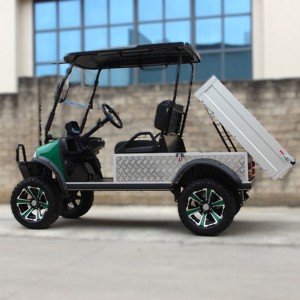
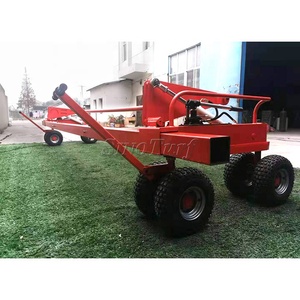
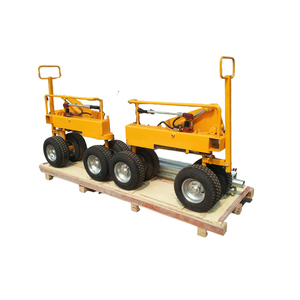
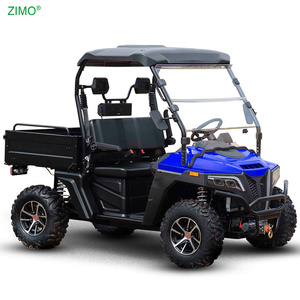
Explore OEM and ODM high-performance electric utility platforms, custom upholstered multi-passenger turf carts, and heavy-duty estate management vehicles. Engineered with marine-grade synthetic leather seating and high-torque AC drivetrains.
In the global low-speed vehicle (LSV), resort shuttle, and utility machinery sectors, vehicle durability is frequently judged by its most vulnerable user touchpoint: the seating assembly and ergonomic upholstery. As global procurement shifts toward low-emission electric utility fleets and street-legal luxury low-speed vehicles, evaluating top China leather seat manufacturers and integrated EV producers requires a rigorous technical approach that extends beyond simple cosmetic aesthetics.
Commercial turf machinery, electric dump trucks, and resort golf carts operate under aggressive environmental conditions. Standard synthetic seating materials suffer from hydrolysis, UV degradation, seam tearing, and foam collapse when subjected to constant solar exposure and physical wear from equipment operators.
Leading manufacturers in China employ multi-layer composite synthetic leather structures engineered specifically for automotive and outdoor turf applications:
| Material Specification Parameter | Standard Fleet PVC Vinyl Seating | MAC EV Marine-Grade Synthetic Leather | Automotive Nappa Grain PU Leather |
|---|---|---|---|
| Tensile Strength (ISO 1421) | < 350 N / 50mm | ≥ 750 N / 50mm | ≥ 900 N / 50mm |
| Hydrolysis Resistance (Jungle Test) | 1 - 2 Years Failure | 7 Years (10-Day Tropical Test) | 10 Years Certified |
| UV Color Fastness (ISO 105-B02) | Grade 3-4 | Grade 7-8 Superior | Grade 8 Premium |
| Cold Crack Resistance | -15°C | -35°C Extreme Low Temp | -40°C Certified |
| Application Focus | Budget Golf Carts | Turf Vehicles, Commercial LSVs | Luxury Resort Shuttles & Street Legal LSV |
A premium seating system is only as effective as the underlying chassis architecture. In heavy-duty utility carts, artificial turf loaders, and 6-passenger street-legal LSVs, vibration dampening is achieved through a multi-tiered engineering approach:
A. Independent Front Suspension & Coil-Over Dampening: By combining adjustable front A-arm coil-over shocks with ergonomically contoured seats, vertical G-force transfer to the driver is reduced by up to 38% on unpaved golf course paths and construction sites.
B. Structural Frame Rigidity: Hot-dip galvanized robotic-welded steel chassis platforms provide a flex-free base. This prevents seat frame warping and hinge binding over long operational lifetimes.
C. Precision Drivetrain Calibration: AC induction motors (5kW to 7.5kW) paired with dynamic regenerative braking eliminate violent accelerations and jerks. Smooth torque delivery preserves seating seams and mechanical hinge mountings.
In-house production capabilities ensuring compliance, long cycle life, and total quality control across all electric utility and low-speed vehicle models.
Sealed 5 kW - 7.5 kW AC induction drivetrains providing high torque output on 30% inclines with zero maintenance requirements.
48V/72V automotive-grade Lithium Iron Phosphate battery packs with smart CAN-bus BMS delivering up to 3,500 full charge cycles.
Dual-circuit hydraulic braking systems engineered for short stopping distances on slippery grass, steep terrain, and wet asphalt.
Independent front suspension with heavy-duty coil-over dampers tuned for guest comfort and payload stabilization.
Full DOT FMVSS 500 compliance features including 17-digit VIN plates, laminated windshields, seat belts, and LED lighting.
End-to-end bespoke customization covering seat stitch patterns, laser-etched branding, body finishes, and chassis bed sizes.
Unlike assembly-only suppliers that source components from fragmented third-party vendors, MAC EV operates an integrated 18,000 m² electric vehicle manufacturing facility. Every chassis, wire harness, and upholstered seating assembly is engineered and validated under one roof.
Our in-house seat stitching and foam molding department utilizes CNC automated fabric cutters and robotic leather stitching machines to deliver millimeter-perfect seams. Combined with multi-stage robotic powder coating and frame anti-corrosion dipping, our vehicles are engineered for deployment in high-salinity coastal resorts, aggressive turf farms, and busy urban campuses.

As commercial fleet managers, resort operators, and machinery distributors evaluate global supply chains, several macroeconomic and technological shifts are transforming B2B purchasing strategies:
The commercial fleet industry has reached an inflection point. While legacy flooded lead-acid batteries offered lower initial capital costs, their high total cost of ownership (TCO)—driven by weekly distilled water replenishment, heavy weight, terminal corrosion, and short 500-cycle life—has made them obsolete. Modern buyers demand integrated Lithium Iron Phosphate (LiFePO4) packs connected via CAN-bus to the vehicle controller. This enables rapid 2-hour opportunity charging, eliminates maintenance labor, and cuts electricity cost-per-mile by up to 32%.
Procurement directors increasingly seek multi-role vehicles. Carts that can transition from carrying 4 to 6 resort guests to hauling housekeeping supplies or turf equipment within seconds represent significant operational savings. Modern seat designs now feature flip-out rear seat kits that fold flat into heavy-duty composite cargo beds with built-in tie-down channels.
Commercial turf machines and golf cart fleets are increasingly specified with integrated digital dashboards and IoT telematics modules. 10.1-inch touchscreen interfaces now display battery state-of-charge, operational speed, reversing camera feeds, and real-time fault diagnostics. GPS geofencing allows resort operators to automatically govern maximum speeds in pedestrian zones while monitoring vehicle usage metrics remotely.
Global importers face tighter regulatory scrutiny regarding chemical emissions in synthetic leathers and plastics. Leading Chinese manufacturers are standardizing on REACH- and RoHS-compliant PU materials, eliminating harmful phthalates, heavy metals, and volatile organic compounds (VOCs) from vehicle interiors.
Marine-grade synthetic leather features specialized UV inhibitors, anti-fungal treatments, and high hydrolysis resistance. Unlike standard vinyl, it withstands intense sunlight, salt water spray, and heavy rain without cracking, peeling, or absorbing water, ensuring long service life in harsh environments.
Standard golf carts are designed for low-speed golf course mobility (max 15 mph) without safety hardware. A Low-Speed Vehicle (LSV) is a federally certified motor vehicle reaching 20–25 mph equipped with DOT headlights, brake lights, turn signals, mirrors, seat belts, a laminated safety windshield, and a unique 17-digit VIN for street registration.
LiFePO4 lithium batteries provide 2,000–3,500 charge cycles compared to 500–800 for lead-acid. They weigh up to 60% less, require zero fluid maintenance, charge significantly faster, and maintain stable voltage output throughout the charge cycle without voltage sag on steep hills.
Yes. Full OEM and ODM customization is available. Importers and fleet owners can specify seat leather colors (two-tone, diamond-stitched, micro-perforated), custom embossed logos, body paint colors, wheel packages, and bespoke cargo bed dimensions.
Vehicles are shipped using container-optimized steel frame packaging. Depending on the roof and windshield configuration, a standard 40HQ container typically accommodates 8 to 10 units in knocked-down (KD) or semi-knocked-down (SKD) setups, maximizing freight efficiency.
Vehicles come with a standard comprehensive warranty, including 36 months for lithium battery packs. Dealers receive detailed exploded-view parts catalogues, wiring diagrams, diagnostic tools, and priority express dispatch for fast-moving spare parts.
Connect with our engineering team for detailed technical specifications, wholesale price lists, and custom OEM/ODM program quotes for your target market.
Get Catalog