Precision-engineered electric utility vehicles, artificial turf spreaders, and lawn maintenance equipment featuring factory-integrated CAN-bus intelligent touchscreen instrumentation.
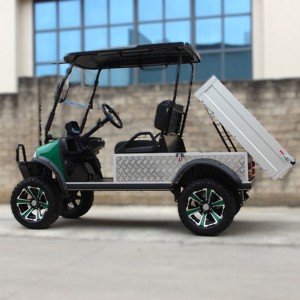
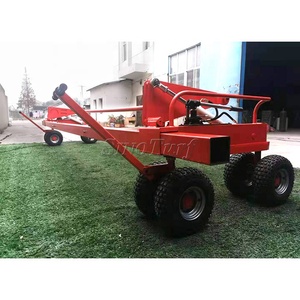
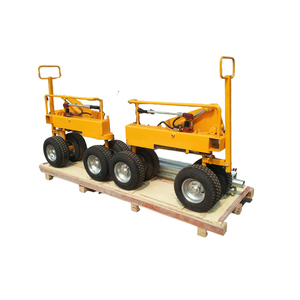
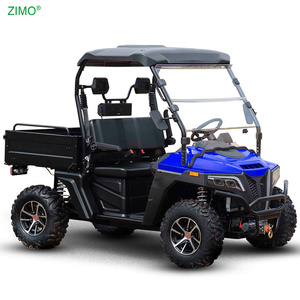
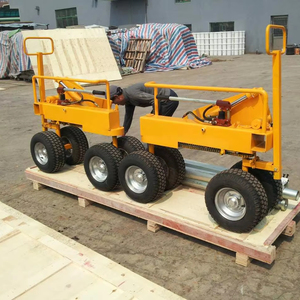
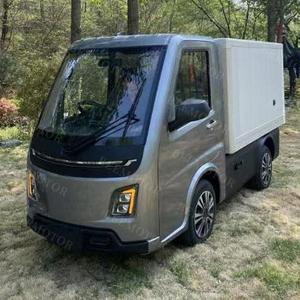
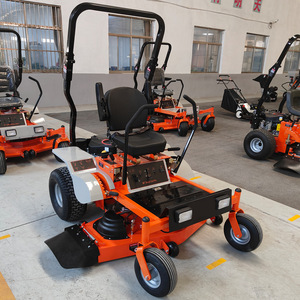
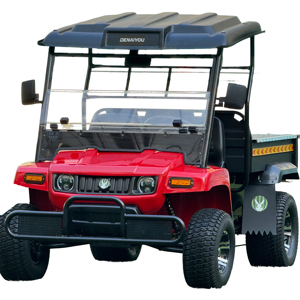
The global shift toward smart electric vehicles, luxury golf carts, commercial low-speed vehicles (LSVs), and specialized agricultural utility equipment has transformed the humble instrument cluster into a sophisticated Human-Machine Interface (HMI) central command hub. As commercial fleet buyers, OEM manufacturers, and global dealerships re-evaluate their supply chains, identifying top-tier China touchscreen dashboard factories and factory-direct integration partners has become a strategic priority.
Modern touchscreen dashboards represent far more than digital speedometers. In contemporary electric vehicle architecture, the instrument cluster serves as the primary bridge between the CAN-bus vehicle controller, lithium Battery Management System (BMS), onboard infotainment, reversing camera safety systems, and IoT telematics modules. Sourcing directly from qualified Chinese OEMs guarantees not only hardware durability under extreme vibration and weather exposure but also seamless protocol matching across diverse drive controllers (e.g., Curtis, Enpower, Inmotion, and Sevcon controllers).
Analog gauges and basic segmented LCD displays lack connectivity and customization. Modern 10.1-inch automotive-grade capacitive touchscreens allow dynamic layout configuration, real-time BMS cell diagnostics, multi-language UI, integrated Bluetooth media, and full HD backup camera feeds directly on a unified high-brightness panel.
Leading Chinese manufacturing facilities provide deep white-label customization. From custom boot logos, tailored firmware algorithms, and ECU CAN-bus message mapping to custom bezel molds and marine-grade anti-glare glass coatings, factory-direct partnership unlocks key market differentiation.
Understanding emerging technology trajectories allows procurement directors and fleet engineering teams to future-proof their vehicle specs. The convergence of automotive electronics and industrial IoT has introduced several critical advancements across Chinese dashboard manufacturing lines:
Outdoor utility carts and golf vehicles face harsh, direct sunlight. Top Chinese factories utilize Full OCA (Optically Clear Adhesive) Bonding between the protective glass and LCD panel. Combined with luminance levels exceeding 800–1000 nits and anti-glare (AG) / anti-reflective (AR) coatings, display readability remains clear under direct midday sun.
Replacing consumer-grade Android OS, modern EV dashboards employ low-latency, instantly booting Embedded Linux or FreeRTOS architectures. Boot times are optimized under 2.5 seconds, ensuring immediate backup camera display and speed sensor output, adhering to ISO 26262 functional safety expectations.
Next-generation touchscreens incorporate 4G LTE/5G eSIM modules and GPS tracking. Fleet managers can monitor remote battery SOC, geofencing parameters, error fault codes, and push Over-The-Air (OTA) firmware updates across entire rental and commercial facility fleets in real time.
| Display Parameter | Legacy Digital Dashboards | Standard Commercial Grade | MAC EV / Next-Gen Automotive Grade |
|---|---|---|---|
| Display Size & Resolution | 3.5" to 5.0" Monochromatic / Segmented | 7.0" TFT LCD (800x480) | 10.1" High-Def Capacitive Touch (1280x800) |
| Luminance (Brightness) | 250–350 nits (Hard to read in sun) | 500 nits (Air bonded) | 800–1000+ nits (Full OCA Bonded + Anti-Glare) |
| Ingress Protection | IP54 (Front panel splash only) | IP65 (Basic dust/water resistance) | Full IP67 Sealed Unit (UV & Salt-Spray Tested) |
| System Bus Integration | Hardwired analog signals | Basic CAN 2.0B / J1939 protocols | Dual CAN-bus, RS485, Bluetooth 5.2, AHD Camera |
| Operating Temperature | -10°C to +50°C | -20°C to +65°C | -30°C to +85°C (Automotive-Grade Components) |
As competition intensifies across the golf, resort, and commercial utility vehicle sectors, procurement strategies are shifting from simple unit purchasing to ecosystem integration and Lifecycle Cost Management. Importers sourcing from China touchscreen dashboard factories are focusing heavily on three procurement trends:
Reflecting the manufacturing capability detailed by industry leaders like MAC EV, top-tier China touchscreen dashboard and electric vehicle factories combine robust electronics engineering with heavy industrial vehicle manufacturing under one roof.
Operating out of state-of-the-art facilities spanning over 18,000 square meters, advanced Chinese EV and display plants integrate robotic chassis welding, automated tube bending, electrostatic powder coating lines, clean-room SMT screen assembly, and dedicated wiring harness fabrication. By mastering both the structural vehicle frame and the electronic HMI dashboard, factory engineering teams eliminate third-party compatibility friction.
Every dashboard display and electric vehicle platform undergoes exhaustive testing protocols before leaving the factory gate:
Top-tier factories manufacture displays with an overall IP67 ingress protection rating. The outer front housing uses automotive-grade UV-stabilized polycarbonate/ABS blends, while the toughened glass touch panel is bonded using Optically Clear Adhesive (OCA). Connectors on the back of the instrument cluster feature automotive sealed automotive multi-pin plugs (e.g., Amphenol or Molex waterproof series) to prevent moisture intrusion during pressure washing or heavy rain.
Yes. OEM/ODM programs support custom boot screens, customized GUI layout colors, vehicle brand logos, and multi-language support (English, Spanish, French, German, Japanese, Arabic, etc.). Factory engineering teams can also map custom fault code pop-ups that alert users to specific battery or motor controller diagnostic conditions.
Leading China dashboard factories support standard CAN 2.0B, CANopen, and J1939 communication protocols. Dashboards come pre-programmed or auto-configurable for major controller brands such as Curtis, Sevcon, Inmotion, Enpower, and KDS. Signal inputs for speed, rpm, odometer, state of charge (SOC), gear selection (D/N/R), and fault warnings are transmitted smoothly over a single CAN bus line.
LiFePO4 (Lithium Iron Phosphate) battery chemistry provides 2,000 to 3,500+ deep discharge cycles compared to just 500–800 cycles for traditional lead-acid batteries. Furthermore, lithium batteries weigh up to 60% less, eliminate terminal corrosion and electrolyte watering maintenance, and provide stable voltage retention throughout the entire discharge curve—preventing screen flicker, power loss, or torque drops on steep gradients.
Standard product configurations generally carry a low minimum order quantity (MOQ), with sample units available for evaluation. Mass production orders typically ship in 20–30 days for standard builds, and 35–45 days for extensive custom color, upholstery, or specialized firmware customization programs. Shipments are managed via FOB, CIF, or DAP terms, with 40HQ container packing optimized to reduce per-unit freight costs.
Whether you are a fleet distributor seeking high-efficiency utility vehicles, a resort group upgrading guest shuttles, or an OEM brand requiring custom touchscreen dashboard solutions — our engineering team delivers precision, reliability, and competitive factory pricing.
