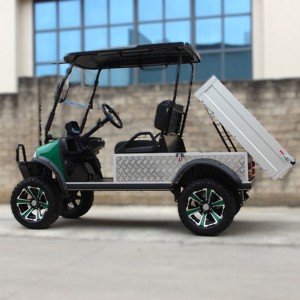
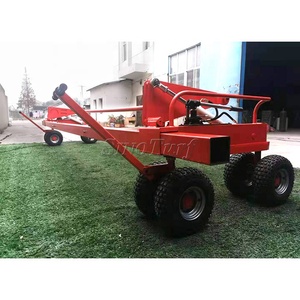
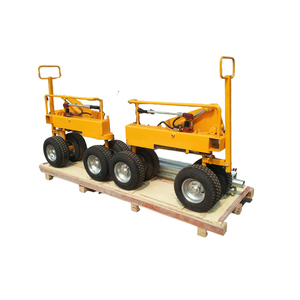
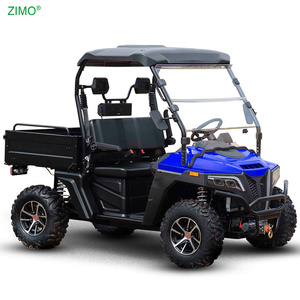
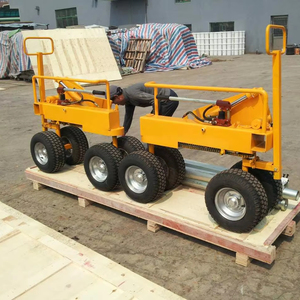
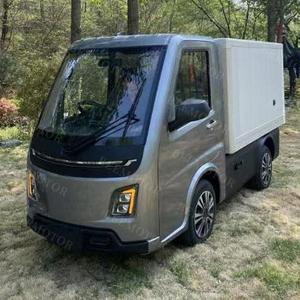
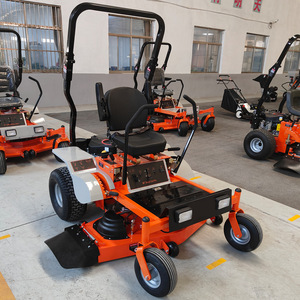
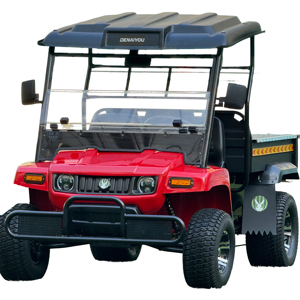
Explore our flagship heavy-duty electric utility carts, artificial turf installation machinery, and commercial ground care vehicles. Engineered with automotive-grade steel frames, low ground-pressure footprints, and high-efficiency AC drivetrains.
As a top-tier electric mobility OEM/ODM factory and global supplier, we eliminate middleman markups while enforcing automotive-grade quality controls. Our integrated manufacturing infrastructure spans structural frame fabrication, advanced lithium integration, and international homologation.
Spanning over 18,000 square meters, our specialized manufacturing plant houses robotic laser cutting, automatic tube bending, robotic powder-coating bays, and dedicated vehicle assembly lines. By performing frame welding and harness fabrication in-house, we guarantee strict dimensional tolerances and long-term chassis durability.
We build low-maintenance electric vehicles powered by high-efficiency AC induction and permanent magnet synchronous motors (PMSM) paired with intelligent CAN-bus controllers. Our premium LiFePO4 (Lithium Iron Phosphate) power packs deliver up to 3,500 life cycles with integrated BMS protection.
Every electric vehicle leaving our line undergoes a standardized 100-Point Inspection Protocol. This includes dynamic load braking, water tightness testing, gradient climbing verification, and battery discharge diagnostics to ensure full compliance with DOT LSV and CE safety directives.
Commercial fleet operators, golf course architects, municipal buyers, and campus logistics leaders are shifting their procurement strategies. Understanding these macro shifts ensures maximum fleet return on investment (ROI) and eliminates operational bottlenecks.
Traditional B2B procurement focused heavily on initial vehicle purchase price (CAPEX). Modern fleet directors now evaluate vendor contracts based on total operational cost over a 5-to-10-year lifecycle. Upgrading from legacy lead-acid batteries to integrated LiFePO4 lithium chemistry slashes total cost of ownership by eliminating distilled water topping, reducing vehicle curb weight by up to 60%, and allowing fast opportunity charging during operator shifts.
Instead of purchasing dedicated single-purpose equipment, commercial fleets demand modular utility vehicles capable of swapping beds. Our universal chassis platforms support fast conversions between hydraulic turf dump beds, passenger shuttles, artificial grass roll laying implements, and closed cargo boxes. This modular approach maximizes fleet asset utilization across changing operational seasons.
For sports complexes, high-end golf courses, and educational campuses, ground compaction is a primary concern. Emerging procurement guidelines require heavy utility vehicles to maintain ground pressure ratings under 0.4 kg/cm². Advanced zero-turn differential lock systems and wide turf tires prevent tearing delicate root systems while retaining high cargo capacities.
Technological convergence in power electronics, smart telematics, and autonomous navigation is changing how facilities manage ground transportation and logistics.
Modern commercial utility fleets are integrating directly with cloud management dashboards. Fleet managers monitor battery state of charge (SoC), operational GPS boundaries (geofencing), driver behavior metrics, and predictive maintenance alerts in real time. Remote firmware over-the-air (FOTA) updates keep vehicle controllers optimized without physical service appointments.
The shift from standard DC series motors to high-voltage AC systems—and progressively toward Silicon Carbide (SiC) power electronics—enables up to 22% higher energy recovery during downhill braking. This extended energy harvest directly translates to additional operational hours per single charge cycle.
Future facility maintenance utilizes autonomous low-speed utility units equipped with LiDAR and RTK-GPS navigation. From automated artificial grass spreading on athletic fields to scheduled night-shift waste management across large estate grounds, robotic EV mobility minimizes manual labor costs and enhances operational precision.
Critical technical and logistics questions addressed for international procurement managers, fleet operators, and wholesale distributors.
A: We operate a fully integrated 18,000 m² factory handling chassis fabrication, automated powder coating, electrical assembly, and strict end-of-line quality control. Unlike trading companies, we offer direct OEM/ODM customization, full spare parts availability, and complete certification compliance (CE, DOT, UN38.3) with direct factory warranties.
A: LiFePO4 batteries offer 3,500+ charge cycles compared to 500-800 cycles in lead-acid, maintain full torque output regardless of remaining charge level, weigh ~60% less, require zero maintenance (no fluid topping), and charge significantly faster, lowering fleet operational costs per hour.
A: Yes. Our engineering team specializes in custom hydraulic lift mechanisms, heavy-duty cargo bed designs, specialized turf-rolling structures, and custom body color/branding programs tailored to your specific commercial requirements.
A: Standard production lead time is 20-30 days upon order confirmation. Custom OEM specifications require approximately 35-45 days. We offer container optimization shipping plans (e.g., packing 8-10 units into a 40HQ container) to minimize ocean freight costs for overseas distributors.
A: Every fleet shipment includes a recommended fast-moving spare parts package, detailed exploded-view catalog files, electrical wiring schematics, and technician video guides. Spare parts orders receive prioritized dispatch via DHL/FedEx directly from our warehouse.
Connect with our technical engineering team today for factory-direct price sheets, custom OEM specification sheets, or bulk distributor procurement packages.