
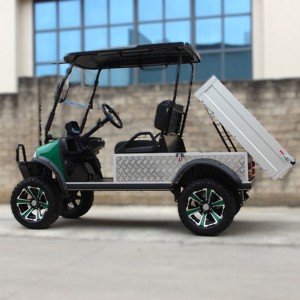
Explore our heavy-duty, CE-certified and DOT-rated electric utility carts, lawn maintenance buggies, and specialized artificial turf handling machines built for high-duty commercial applications.
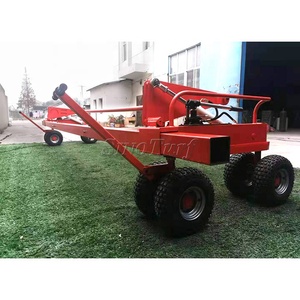
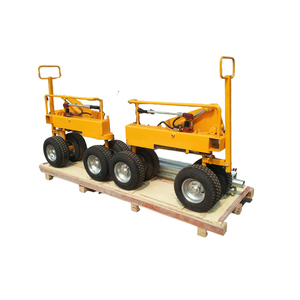
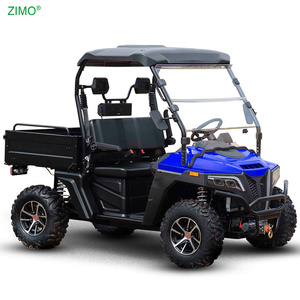
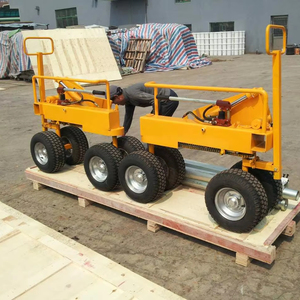
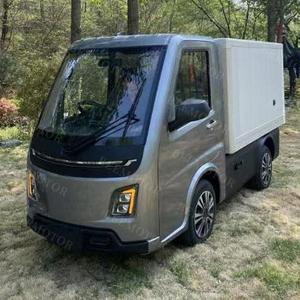
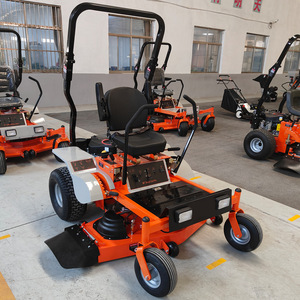
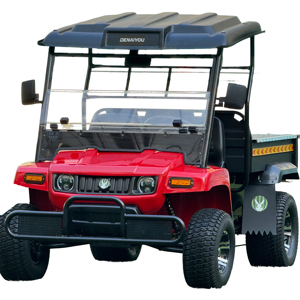
The low-speed vehicle (LSV) and golf buggy sector is undergoing a massive paradigm shift. Driven by global decarbonization mandates, corporate ESG commitments, and severe maintenance overheads associated with aging lead-acid fleets, global procurement teams at resorts, municipal facilities, and commercial turf projects are re-evaluating their capital expenditure models.
As a premier golf buggy factory and original equipment manufacturer (OEM), MAC EV integrates aerospace-grade structural design with modern lithium iron phosphate (LiFePO4) power systems and smart CAN-bus electronics. Transitioning from traditional utility carts to purpose-engineered, automotive-spec electric platforms is no longer merely an ecological choice—it is a critical driver of Operational Total Cost of Ownership (TCO) optimization.
Standard light-duty golf carts often suffer structural fatigue when deployed in heavy-duty commercial scenarios, such as carrying high-density payloads, turf laying machinery, or multi-passenger transport. Our manufacturing methodology overcomes these limitations through four core engineering pillars:
Over a 5-year operating lifecycle, traditional flooded lead-acid utility carts incur substantial indirect costs via electrolyte refilling labor, battery room ventilation, terminal corrosion remediation, and frequent pack replacements.
Switching to MAC EV’s integrated LiFePO4 battery system eliminates watering labor completely, provides opportunity charging during shift breaks, and yields up to 3,500 full charge cycles at 80% Depth of Discharge (DoD)—delivering a net 38% reduction in overall fleet operational costs.
Procurement officers and global buyers must align their current sourcing strategy with emerging technology standards to avoid purchasing legacy hardware that faces early obsolescence. Below are the key industry vectors shaping future golf buggy and commercial utility vehicle production:
Modern facilities demand multi-role versatility. Future procurement focuses on single-chassis platforms that quickly convert from passenger shuttles to artificial turf rollers, dump beds, or cargo boxes. MAC EV’s STEVE chassis architecture pioneered modular mounting points to facilitate rapid operational transitions.
Connected fleets allow managers to monitor battery State-of-Health (SoH), track real-time GPS coordinates, enforce geo-fencing speed restrictions, and receive predictive maintenance alerts long before component failures occur.
The line between private golf carts and Low Speed Vehicles (LSVs) is blurring. Global buyers increasingly require factory-fitted DOT-compliant laminated windshields, seatbelts, automotive lighting suites, and 17-digit VIN allocations to allow seamless transit across public roads and gated communities.
Integrating lightweight flexible solar cells directly into the vehicle canopy extends single-charge battery operating ranges by 12% to 18% in high-sunlight regions, relieving heavy pressure on localized grid charging stations.
Review our standard enterprise vehicle specs. As a factory supplier, all parameters can be customized for OEM/ODM bulk deployments.
| Vehicle Class / Parameter | Commercial Golf Buggy | Heavy Turf Utility Truck | Street Legal LSV Shuttle | MAC EV Factory Standard |
|---|---|---|---|---|
| Motor Drivetrain | 4.0 kW AC Motor | 5.0 kW - 7.5 kW AC Heavy Duty | 5.0 kW AC High-Speed Motor | Sealed AC Induction |
| Battery Chemistry | 48V / 105Ah LiFePO4 | 48V or 72V / 150Ah LiFePO4 | 48V / 105Ah - 150Ah Lithium | CAN-bus Smart BMS |
| Chassis Construction | Tubular Steel Frame | Heavy-Duty Steel C-Channel | Reinforced Aluminum/Steel | Hot-Dip Galvanized |
| Braking System | Rear Mechanical Drum | 4-Wheel Hydraulic Disc | 4-Wheel Hydraulic Disc + E-Park | 4-Wheel Disc Standard |
| Suspension Architecture | Leaf Spring with Shock | Independent Double A-Arm | Coil-Over Independent Front | Adjustable Coil-Over |
| Payload / Cargo Capacity | 250 kg (550 lbs) | 400 kg - 800 kg Load Bed | 450 kg (6 Passengers) | Custom Deck Options |
| Export Compliance | CE Certified | CE / ISO9001 | DOT / FMVSS 500 / VIN | UN38.3 & MSDS Ready |
Operating an 18,000 square meter integrated manufacturing ecosystem, MAC EV maintains complete control over raw metal cutting, precision tube bending, robotic chassis welding, powder coating, wiring harness design, and final vehicle testing.
By consolidating engineering and manufacturing under one roof, we eliminate third-party supply chain delays, ensure rigorous quality control, and deliver unmatched OEM/ODM flexibility for custom body colors, branded upholstery, special turf tires, and unique gear ratios.
Comprehensive answers to common technical, legal, and operational questions asked by global distributors, resort purchasing teams, and facility fleet managers.
Standard golf carts are typically limited to private property driving with speeds capped around 15 mph (24 km/h). A Low Speed Vehicle (LSV) is a legally regulated class capable of reaching 20–25 mph (32–40 km/h) and requires mandatory safety equipment: DOT-certified windshield, 3-point seatbelts, side mirrors, turn signals, brake lights, parking brake, and a unique 17-digit Vehicle Identification Number (VIN) for road registration.
Lithium Iron Phosphate (LiFePO4) offers superior thermal stability, zero battery watering maintenance, faster charge acceptance (3-5 hours vs 8-10 hours), and zero torque drop-off as the state-of-charge declines. Furthermore, LiFePO4 packs weigh approximately 60% less than lead-acid setups, reducing overall vehicle wear and double-duty operational stress on turf.
We offer total OEM/ODM tailoring including custom body paint colors (RAL matching), custom upholstered seating designs, custom wheel rims, specialized cargo beds, turf laying attachments, corporate logo badge integration, speed governor locking, and customized touch-screen UI interfaces.
All export units come fully documented with CE certificates, UN38.3 battery transport compliance, MSDS safety sheets, and comprehensive technical schematics. We offer optimized 40HQ container packing (typically fitting 8 to 10 vehicles depending on lift height and roof disassembly options).
Every client receives access to our electronic spare parts catalog with exploded diagrams. Critical wear items (brake pads, controller relays, bushings, lighting modules) are maintained in global inventory for expedited dispatch within 48 to 72 hours.
Standard vehicle models carry a factory MOQ of 2 units (sample evaluation permitted for verified commercial buyers). Mass production batch orders typically ship within 20 to 30 calendar days following drawing sign-off and deposit receipt.
Connect directly with our engineering and export team for custom quotations, product catalogs, container loading plans, or OEM project consultations.