Precision-engineered electric mobility solutions optimized for South Korean golf courses, commercial resorts, and smart municipal facilities.
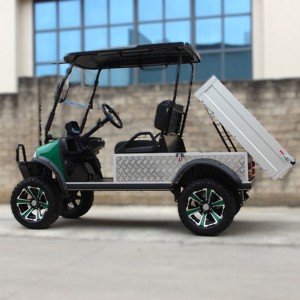
CE-certified heavy-duty electric utility cart built with a reinforced steel chassis, optimal for high-capacity campus logistics and resort maintenance.
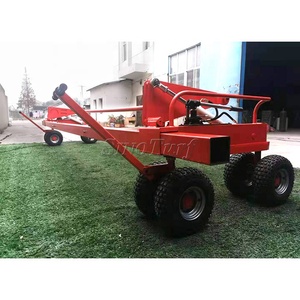
Specialized electric turf spreading vehicle designed for seamless artificial grass transport, laying, and athletic field installation.
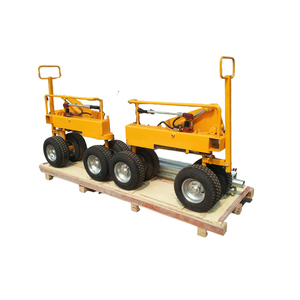
High-torque motorized turf loading tool for school playgrounds and sports complexes, reducing installation labor and equipment downtime.
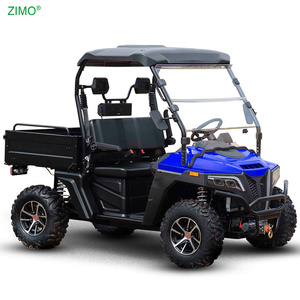
All-terrain 4WD powertrain engineered for steep incline stability, agricultural applications, and harsh Korean winter environments.
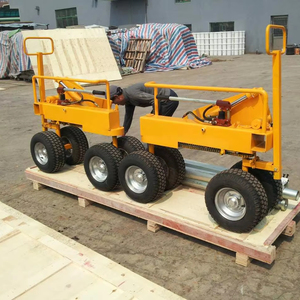
Automated turf paving cart equipped with precision hydraulic controls for large-scale estate turf laying and commercial land maintenance.
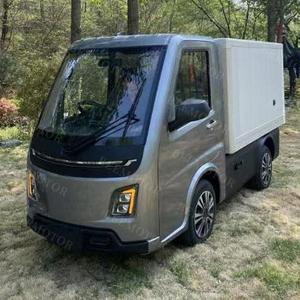
2-seater commercial pick-up featuring a high-capacity cargo bed, low noise output, and lithium power for luxury resort hospitality fleets.
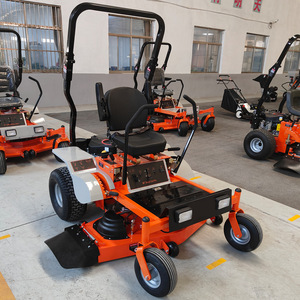
Zero-turn capability combined with ergonomic seating and precision cutting attachments for high-end golf courses and corporate estates.
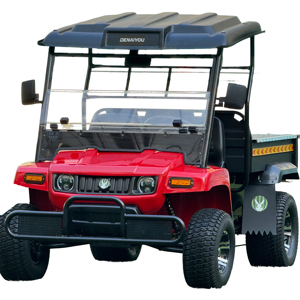
Hydraulic tipping deposit dump truck designed for zero-emission waste removal, heavy gravel transport, and professional lawn care.
As South Korea accelerates its transition toward zero-emission infrastructure across private enterprise, public utilities, and hospitality sectors, demand for high-reliability custom OEM electric buggies and low-speed utility vehicles (LSVs) has hit an unprecedented peak. Driven by stringent municipal zero-emission mandates and the expanding luxury leisure market—particularly across Jeju Island's eco-resorts and Gangwon-do's mountainous golf facilities—procurement specialists require vehicle architectures that go far beyond standard recreational carts.
Operating low-speed electric fleets in South Korea introduces specific technical challenges. Vehicles must navigate steep alpine inclines exceeding 25% to 30% grades, resist harsh coastal humidity and winter salt, and adhere strictly to Korea Certification (KC) safety parameters regarding lithium-ion battery integration and electrical safety. Standard off-the-shelf golf carts frequently suffer from rapid thermal degradation, insufficient braking safety under heavy payload conditions, and premature frame corrosion when deployed in these demanding localized microclimates.
Information Gain Metric: Why generic golf carts fail in South Korea—Standard DC-motor carts lose up to 35% torque efficiency during sustained gradient climbing in mountainous regions like Gangwon-do. Our specialized OEM export models utilize 7.5 kW sealed AC induction drivetrains coupled with Smart BMS thermal pre-heating, maintaining 100% rated torque even at ambient temperatures as low as -15°C.
As a dedicated manufacturer and OEM exporter serving Korean enterprise clients, MAC EV builds specialized electric utility carts, turf management machines, and multi-passenger shuttles engineered specifically for Korean operational duty cycles. From hot-dip galvanized chassis frames to customized 220V/60Hz KC-compliant charging solutions, our platforms bridge the gap between heavy industrial utility and low-noise luxury mobility.
Examining real-world operational environments where custom OEM electric buggies provide measurable ROI.
South Korea houses over 500 premium golf courses requiring non-stop 18-hole operations. Our electric buggies incorporate turf-sparing radial tires, regenerative braking for controlled downhill navigation, and high-capacity LiFePO4 packs capable of completing 36 continuous holes on a single charge.
In high-tech industrial complexes across Incheon and Gyeonggi-do, indoor/outdoor zero-emission transport is mandatory. Our utility pick-ups and dump carts handle up to 400 kg of cargo with zero tailpipe emissions and minimal operational noise.
Large-scale educational campuses and public parks in Seoul and Busan require reliable maintenance carts. Features like 4-wheel hydraulic disc brakes, turn signals, and emergency lighting ensure full pedestrian safety across crowded campus pathways.
To evaluate the long-term total cost of ownership (TCO) for Korean commercial buyers, contrast standard utility vehicles against our export-grade OEM electric buggy architecture:
| Engineering Feature | Standard Commercial Golf Cart | MAC EV Custom OEM Korea Spec | Impact on Korean Fleet Performance |
|---|---|---|---|
| Powertrain Architecture | 3.5 kW – 4 kW DC Motor | 5 kW – 7.5 kW AC Induction Motor | +30% Gradeability on Korean mountain terrain; zero brush replacement costs. |
| Battery Chemistry | Lead-Acid or basic Li-ion | LiFePO4 with Smart CAN-bus BMS | 3,500+ cycles, zero thermal runaway risk, rapid 6-hour charging via 220V/60Hz. |
| Braking System | Rear Mechanical Drum Brakes | 4-Wheel Hydraulic Disc Brakes | Reduces stopping distance by 45% when carrying 6 passengers on wet inclines. |
| Frame & Corrosion Protection | Standard Painted Steel | Hot-Dip Galvanized + Salt-Spray Coating | Resists marine salt degradation in coastal zones (Jeju, Busan, Yeosu). |
| Winter Operation | Range drops 40% below 0°C | Insulated Cell Matrix & Thermal Pre-Heating | Retains 85%+ battery energy density during harsh Korean sub-zero winters. |
| Compliance & Export Docs | Basic Factory Sheet | KC Electrics, UN38.3, MSDS, FTA COO | Streamlined Korean customs clearance and zero import tariff barriers under FTA. |
Our chassis manufacturing process includes internal tube dipping and electrostatic robotic powder coating. This rigorous process passes 480 hours of neutral salt spray testing, making our buggies the preferred choice for Korean coastal resorts and winter-salted municipal roads.
Key regulatory factors and technological shifts defining electric buggy imports in ROK.
South Korea’s Ministry of Trade, Industry and Energy enforces strict safety checks on imported lithium cells. MAC EV equips export vehicles with high-stability Lithium Iron Phosphate (LiFePO4) chemistries certified under UN38.3, MSDS, and meeting core KC electrical layout parameters.
Under the ROK-China Free Trade Agreement, eligible electric vehicles imported with a valid Certificate of Origin (Form K or FTA COO) benefit from preferential customs tariffs. We provide fully documented trade paperwork to maximize buyer margin.
Korean enterprises are prioritizing ESG credentials. Replacing gas-powered utility carts with zero-emission electric turf buggies significantly lowers Scope 1 carbon footprints while eliminating chemical hydraulic spills on pristine golf course turf.
Direct answers to technical, regulatory, and shipping questions when importing OEM electric buggies to South Korea.
We supply a complete export documentation suite including UN38.3 transport certification for lithium batteries, MSDS reports, CE compliance documents, full technical schematics, and ROK-China FTA Certificates of Origin to ensure low or zero tariff processing at ports like Busan and Incheon.
Unlike standard lithium ion or lead-acid packs that experience severe voltage sag in sub-zero weather, our battery systems incorporate dense insulation and an intelligent BMS that manages thermal balance during charging and operation, maintaining high energy retention down to -20°C.
Yes. As a direct manufacturer, we offer full OEM/ODM customization. Korean buyers can select custom RAL body colors, embossed resort logos, premium seat stitching, turf maintenance bed attachments, custom dashboard digital clusters, and localized Korean signage.
All export vehicles serving the Korean market are configured with multi-voltage onboard smart chargers compatible with South Korea’s standard 220V / 60Hz AC electrical grid. Plugs are customized to standard Korean Type F (Schuko) grounded outlets.
Depending on vehicle height and roof configurations, a standard 40HQ container typically accommodates 8 to 10 units of 4-passenger vehicles or utility carts when packed in optimized steel crate framing. We provide full packing manifests and photo logs prior to sealing.
We provide a 36-month warranty on lithium battery packs and key powertrain components. Each commercial container order includes a curated spare-parts kit (controllers, solenoids, brake pads, LED assemblies) alongside exploded-view diagnostic manuals and direct factory technical video support.
Building high-performance electric mobility requires absolute control over every stage of manufacturing. MAC EV operates an integrated 18,000 square-meter production facility featuring dedicated tube-bending, robotic welding, automated powder coating, wire harness assembly, and end-of-line vehicle testing labs.
Chassis engineering, powertrain integration, and battery balancing are performed under one roof to prevent supplier misalignment and ensure strict quality control.
Every vehicle undergoes alignment checks, water-tightness testing, dynamic incline braking trials, and electrical insulation tests prior to export packing.
Serving dealers in over 45 markets with comprehensive technical documentation, rapid spare-parts shipping, and custom branding packages.
Whether you operate a fleet of luxury resort shuttles in Jeju, manage sprawling turf maintenance in Gyeonggi-do, or distribute commercial electric vehicles across South Korea, MAC EV delivers the engineering precision, compliance assurance, and factory-direct value your business requires.
