Purpose-built for Canadian golf courses, municipal facilities, sports stadiums, commercial campuses, and agricultural operations requiring zero-emissions power and rugged durability.
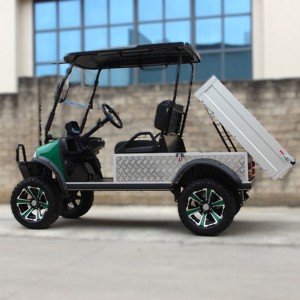
Reinforced steel frame, high-torque AC motor drivetrain, and hydraulic dump box designed for university campuses and large-scale facilities.
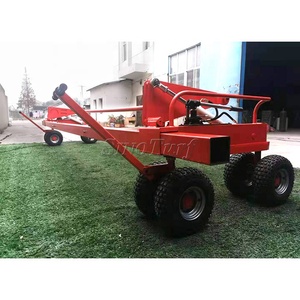
Specialized low-ground-pressure transport platform built for infill distribution and smooth synthetic grass logistics in athletic domes.
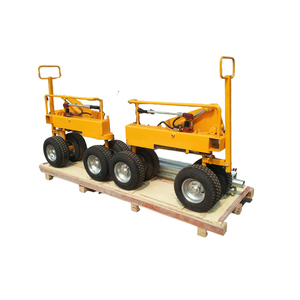
Heavy-lift hydraulic boom loader designed for school playgrounds, sports complexes, and municipal field installation crews.
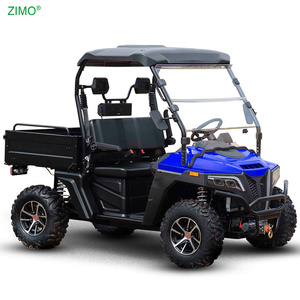
Dual-motor 4WD system delivering maximum traction across mud, snow, and steep slopes for Canadian agricultural and rural properties.
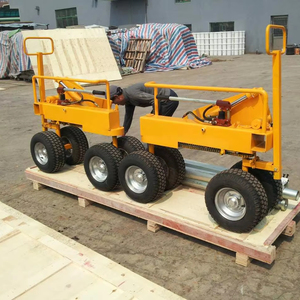
Precision roll-unwinding mechanism mounted on a heavy-duty electric crawler chassis for seamless athletic field construction.
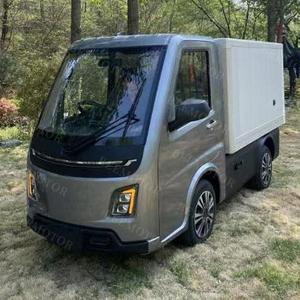
Versatile commercial pick-up configuration ideal for hotel maintenance, provincial parks, orchard harvesting, and commercial logistics.
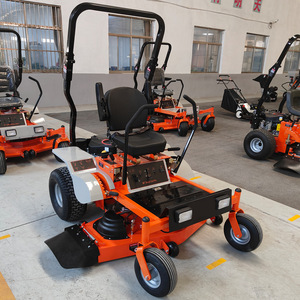
Ergonomic zero-turn maneuverability tailored for commercial estate landscaping, golf course roughs, and park maintenance fleets.
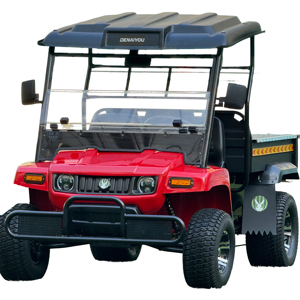
High-volume hydraulic tipper bed mounted on an eco-friendly electric drivetrain, optimizing aggregate and organic waste hauling.
As Canadian enterprises, municipalities, and facility operators accelerate their transition toward net-zero operational frameworks, the demand for industrial-grade electric carts, utility vehicles (LSVs/UTVs), and turf maintenance equipment has grown exponentially. However, operating electric machinery across Canadian provinces—from the coastal humidity of British Columbia to the extreme sub-zero winter cycles of Alberta, Saskatchewan, Ontario, and Quebec—presents distinct engineering challenges that off-the-shelf consumer golf carts cannot survive.
A manufacturing partner serving the Canadian market must address three primary environmental vectors: severe thermal degradation of battery chemistries, rapid chassis oxidation caused by road salt and de-icing chemicals, and demanding terrain topologies. Our direct-factory OEM/ODM manufacturing infrastructure integrates specialized engineering upgrades specifically designed to solve these regional pain points.
Information Gain Insight: Standard flooded lead-acid batteries lose up to 50% of their operational discharge capacity at 0°C (32°F) and suffer permanent electrolyte freezing damage below -15°C. Factory-integrated lithium iron phosphate (LiFePO4) systems equipped with internal PTC thermal heating blankets maintain 85%+ nominal capacity even during severe Canadian winter freezes, significantly reducing Total Cost of Ownership (TCO).
Canadian indoor athletic domes, university stadium projects, and municipal parks rely on specialized equipment like our Artificial Grass Roll Lifting and Laying Machines and Infill Transport Carts. Synthetic turf management requires ultra-low ground pressure to prevent base-compaction while precisely spreading rubber infill or maneuvering 1,000 kg turf rolls across soft sub-grades.
Resorts in Whistler, Banff, and Muskoka require high-torque AC motor drivetrains with downhill regenerative braking. Electric utility carts like the HDK Turfman 700 and 2025 Commercial Pick-Up navigate steep gradients reliably, moving maintenance gear, luggage, and guests quietly without disturbing pristine natural environments or emitting diesel fumes.
University grounds crews in Toronto, Montreal, and Vancouver manage sprawling footprints requiring multi-use utility carts. Electric dump trucks and pick-up configurations handle seasonal maintenance—from spring landscape mulching and summer trash removal to autumn leaf collection and winter light-plowing—with zero indoor/outdoor exhaust restrictions.
Canadian fruit orchards (Okanagan Valley, Niagara Region) and commercial farms utilize our 4WD Electric Farm Turf Utility Vehicles. The dual-motor system delivers low-end torque for heavy pulling while avoiding soil contamination and noise pollution that distresses livestock or impacts produce cleanliness.
Procurement teams across Canada are shifting away from internal combustion engine (ICE) utility fleets due to rising carbon taxes, municipal green procurement mandates, and escalating maintenance costs for small gasoline engines. Simultaneously, provincial transport regulations govern the deployment of Low-Speed Vehicles (LSVs) on public roadways.
To operate electric carts legally on public roads or controlled municipal pathways in Canada, vehicles must meet specific Canadian Motor Vehicle Safety Standards (CMVSS 500) for Low-Speed Vehicles. Unlike basic golf carts restricted to private land, compliant electric LSVs manufactured by our factory feature essential safety components:
To assist fleet managers in financial modeling, the following matrix compares traditional Gas Utility Carts, Lead-Acid Electric Carts, and Advanced Factory-Built Lithium LiFePO4 Commercial Carts over a 5-year operating window in Canadian conditions:
| Evaluation Parameter | Gasoline Engine Carts (ICE) | Lead-Acid Electric Carts | Factory Lithium LiFePO4 Carts (Our Spec) |
|---|---|---|---|
| Initial Capital Cost (CAPEX) | Moderate ($12,000 - $15,000 CAD) | Lower ($10,000 - $13,000 CAD) | Optimal Value ($13,500 - $16,500 CAD) |
| Winter Performance (-15°C to -30°C) | Hard starts, fuel line freezing, high wear | 50% power loss, risk of battery freezing | 85%+ power retained via heated BMS blanket |
| Fuel / Energy Cost (per 1,000 km) | High ($180 - $240 CAD Gas) | Low ($35 - $50 CAD Grid) | Ultra-Low ($25 - $40 CAD Grid Efficiency) |
| Maintenance & Battery Replacement | High (Oil filters, spark plugs, belts) | High (Battery swap required every 2-3 yrs) | Zero Maintenance (10+ year battery lifespan) |
| Frame Rust & Corrosion Resistance | Standard painted steel (Rusts in 2 yrs) | Standard painted steel frame | Hot-Dip Galvanized / Aluminum Subframe |
| 5-Year Net Operational TCO | $24,500 CAD | $21,000 CAD | $15,200 CAD (Highest ROI) |
As a direct OEM/ODM manufacturer specializing in commercial electric mobility, our production facilities combine advanced automated robotics, strict quality assurance protocols, and tailored export engineering. We directly address the operational requirements of Canadian buyers who require high-reliability fleet shipments.
Every chassis undergoes hot-dip galvanization and robotic powder coating rated for over 500 hours of continuous salt-spray testing (ASTM B117). This ensures absolute protection against de-icing salts, calcium chloride, and coastal humidity, preventing structural rust.
We build our vehicles with sealed AC induction motors (5kW to 10kW) coupled with Toyota AC controllers and high-ratio transaxles. This powertrain architecture delivers maximum hill-climbing torque and gradeability up to 30% without overheating.
From private labeling, custom paint colors, and heated fully enclosed cabs to heavy-duty hydraulic lifting beds and turf-laying booms, our engineering team customizes vehicles to meet exact regional specs and dealer branding needs.
Shipping electric carts across oceans to Canadian ports (Vancouver, Montreal, Halifax) requires meticulous packaging and battery safety certification:
All lithium battery packs are fully certified for international maritime transport, guaranteeing compliance with Canadian hazardous goods import regulations.
Every vehicle undergoes rigorous dyno testing, brake alignment, waterproof enclosure validation, and electrical load checks prior to container loading.
Our custom steel racking systems allow us to fit up to 8-10 units per 40HQ container, significantly reducing per-unit ocean freight costs for Canadian importers.
Whether you are a commercial equipment dealer, municipal procurement manager, sports facility developer, or resort fleet operator, our factory engineering team is ready to assist with custom specifications, landed cost estimates, and technical documentation.
