Heavy-duty utility platforms equipped with high-flotation offroad tires, low ground-pressure chassis, and high-torque AC powertrains built for Australian enterprise environments.
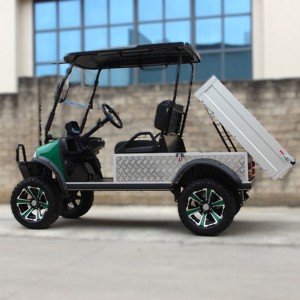
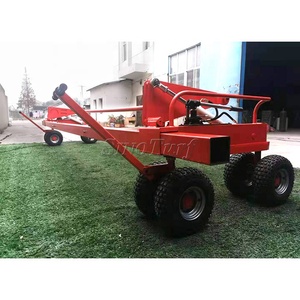
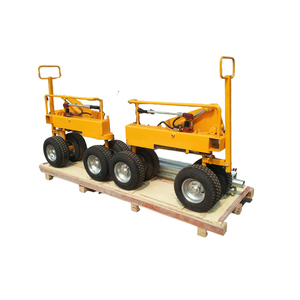
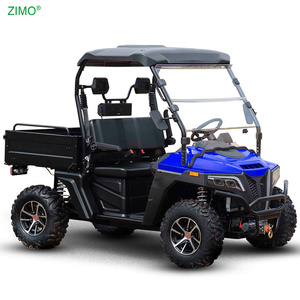
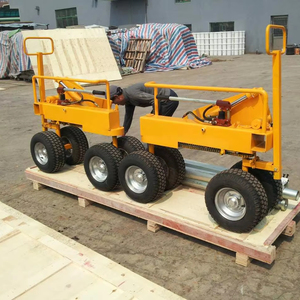
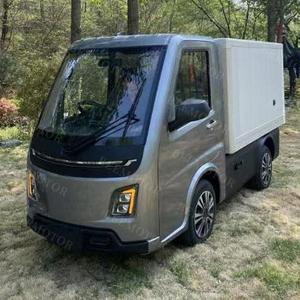
Australia presents one of the most demanding operating environments on earth for commercial utility vehicles, offroad tire assemblies, and mobile turf management machinery. From the high UV exposure and blistering thermal swings of Northern Territory and Outback Western Australia to the clay soils of Victoria and coastal humidity of Queensland, commercial equipment must overcome multi-faceted physical degradation. Offroad tires manufacturers serving Australia cannot rely on standard suburban golf cart components or light-duty rubber compounds; they must engineer high-flotation tread designs, extreme heat-dissipating lithium iron phosphate (LiFePO4) power cells, and high-strength galvanized chassis structures.
The performance of offroad utility vehicles depends intrinsically on the interaction between the tire contact patch and the sub-base material. Australia’s red dirt, ironstone gravel, mud flats, and turf greens require specialized tread geometries and rubber formulation to balance traction, ground compaction, and tread wear longevity.
Tire manufacturers engineering specifically for Australian commercial operations rely on high-silica, anti-aging synthetic compound matrices. High ambient temperatures (exceeding 45°C in Outback locations) cause standard natural rubber blends to oxidize rapidly, leading to micro-cracking and tread chunking when traversing sharp granite or crushed iron ore roads. By integrating carbon black reinforcement and anti-UV stabilizers, our offroad tires resist thermal degradation and sidewall puncturing while maintaining elastomeric flexibility.
Wide-carcass designs distribute load across a broad footprint, reducing ground bearing pressure to prevent turf rutting and sinkage in wet Australian soils.
Multi-ply bias and radial sidewall construction prevents punctures from sharp blue metal gravel, acacia thorns, and debris on remote Australian jobsites.
Angled mud shedding channels clear red clay and wet silt during wheel rotation, ensuring constant mechanical keying on slick inclines.
Selecting the appropriate offroad tire specification is critical to maintaining productivity without damaging sensitive turf or incurring high tire replacement frequencies. The matrix below details performance parameters tailored to Australian commercial applications:
| Tire Tread Classification | Ground Pressure (PSI) | Traction Index (Dry/Wet) | Puncture Resistance | Primary Australian Application |
|---|---|---|---|---|
| Turf-Saver High-Flotation | 12 – 16 PSI | Good / Moderate | Standard 4-Ply | Golf Courses, Sports Fields, Turf Farms |
| All-Terrain (A/T) Commercial | 18 – 24 PSI | Excellent / High | Reinforced 6-Ply | Resorts, Parks & Gardens, Campus Logistics |
| Rough Terrain (R/T) Offroad | 22 – 28 PSI | Superior / Extreme | Heavy-Duty 6/8-Ply | Agricultural Farms, Vineyards, Mine Sites |
| Steel-Belted Industrial Mud Lug | 28 – 35 PSI | Maximum Mud Traction | Steel Reinforced Sidewall | Outback Utility, Civil Contracting, Heavy Hauling |
Offroad tires are only as effective as the powertrain driving them. When operating utility dump trucks or 4WD farm carts across demanding grades, electric motor efficiency and thermal control become vital. Standard DC motor systems suffer from rapid thermal build-up, leading to torque fold-back under sustained Australian heat. MAC EV incorporates sealed high-torque AC induction drivetrain technology paired with intelligent regeneratively braked controllers.
Furthermore, energy storage has transitioned from maintenance-heavy lead-acid batteries to premium Grade-A Lithium Iron Phosphate (LiFePO4) chemistries. Lead-acid batteries exposed to 40°C+ ambient temperatures experience accelerated plate sulfation and electrolyte evaporation, reducing lifespan to under 18 months. Conversely, sealed LiFePO4 packs equipped with an integrated CAN-Bus Battery Management System (BMS) deliver up to 3,500 charge cycles, zero water maintenance, and automatic high-temperature safety shutdown protocols certified to UN38.3 and IEC 62619 standards.
From the iron ore operations of the Pilbara to the luxury eco-resorts of Whitsunday Islands, localized configurations ensure long-term operational resilience.
Deploying heavy-duty electric utility vehicles fitted with R/T offroad tires, safety amber beacons, battery isolators, and 4-wheel hydraulic disc braking systems. Engineered to navigate iron ore dust, salt-lake beds, and unpaved haul routes while complying with mine site safety directives (MDG 15 aligned).
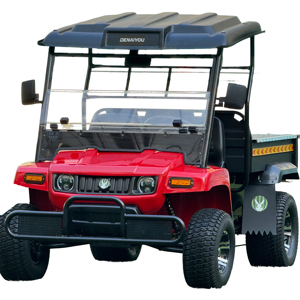
High-torque 4WD utility carts traversing soft soils, hilly terrain, and muddy orchard rows. Low-pressure tires prevent soil compaction along vine rows in the Hunter and Barossa Valleys, preserving root health while transporting up to 600kg of produce.
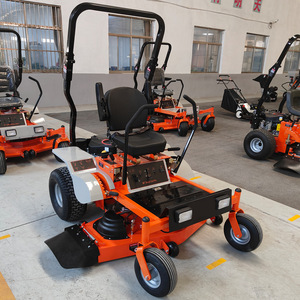
Turfman 700 and zero-turn lawn maintenance platforms operating on Turf-Saver tread profiles. Ensures zero turf tearing on high-grade Couch and Bentgrass greens during precise mowing, artificial grass roll laying, and top-dressing spreading operations.
Galvanized chassis passenger shuttles and utility carriers protected by 480-hour salt spray rated coatings. Quiet electric AC power maintains guest tranquility in pristine coastal ecosystems, operating reliably in humid salt-air environments.
Full-spectrum OEM/ODM manufacturing capability backed by rigorous quality validation protocols and export compliance documentation.
Addressing essential technical, shipping, and regulatory considerations for Australian utility vehicle and tire sourcing.
Whether you are expanding a commercial turf machinery rental fleet, sourcing mine-ready utility carts, or establishing a local dealership in Australia, our engineering team is ready to deliver tailored solutions.
Send an Inquiry