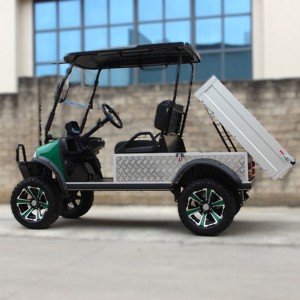
Engineered for high thermal resistance, volatile grid compatibility, and continuous heavy utility workloads.

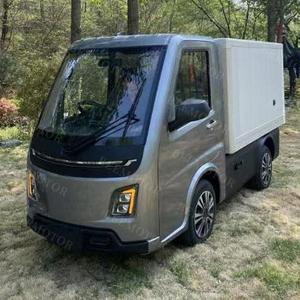
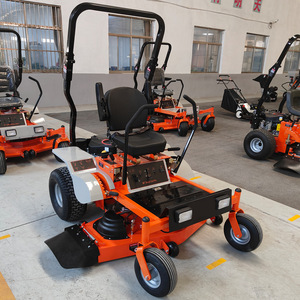
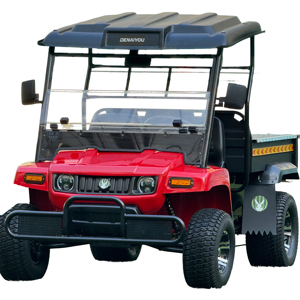
Nigeria's commercial transport, industrial facility management, agricultural, and hospitality sectors are undergoing a massive transition toward industrial electromobility. Driven by fluctuating fossil fuel expenses and the corporate shift toward zero-emission logistics, organizations across Lagos, Abuja, Port Harcourt, and Kano are rapidly deploying electric utility vehicles, turf transport systems, golf carts, and low-speed electric dump trucks. However, the operational success of an electric vehicle fleet in West Africa relies heavily on a critical, often understated component: the Onboard Battery Charger (OBC).
Unlike off-board charging stations that require specialized charging infrastructure, an onboard charger is direct-mounted inside the vehicle chassis. It transforms raw alternating current (AC) from standard wall receptacles, industrial sockets, or off-grid solar generators directly into regulated direct current (DC) to recharge high-capacity traction battery packs. In the complex Nigerian energy environment—characterized by frequent grid voltage sags, phase spikes, elevated tropical humidity, and ambient operational temperatures exceeding 40°C—off-the-shelf residential chargers fail prematurely. Industrial fleet operators require high-gain, heavy-duty onboard chargers built to handle extreme electrical and thermal volatility.
To eliminate operational downtime and protect high-value lithium (LiFePO4) and flooded lead-acid battery investments, our export-grade onboard chargers incorporate proprietary electrical topologies engineered specifically for challenging grid environments.
Integrated Active PFC (>0.99) stabilizes incoming AC current, eliminating harmonic distortion and allowing chargers to maintain full output efficiency even during severe grid sag down to 85V AC without overheating standard generator circuits.
Constructed with die-cast aluminum alloy housings sealed to IP67 standards. Protects internal power electronics, planar transformers, and MOSFET switches against fine silica dust, tropical downpours, high humidity, and corrosive coastal air.
Equipped with high-speed CAN-bus communication interfaces to dynamically sync charging profiles with modern Lithium Iron Phosphate (LiFePO4) Battery Management Systems, preventing over-voltage, cell imbalance, and thermal runaway.
Advanced internal thermistors dynamically adjust charging output curves when ambient temperatures spike beyond 45°C. Rather than abruptly shutting down, the charger throttles amperage intelligently to ensure continuous safe operation.
Pre-programmed constant current (CC), constant voltage (CV), and float/equalization charge curves tailored to both sealed AGM/Gel batteries and customized lithium chemistry configurations to maximize overall battery lifecycle longevity.
Internal components are secured using high-grade silicone potting compounds, passing stringent automotive vibration and shock resistance benchmarks (MIL-STD-810G aligned) to withstand rough unpaved terrain and continuous industrial transit.
As direct OEM suppliers and exporters, our onboard charging systems are pre-installed and retrofitted into diverse electric mobile assets operating throughout Nigeria’s unique commercial ecosystems.
Prominent golf clubs and eco-resorts in Victoria Island, Lekki, and Abuja require silent, non-polluting guest shuttles and turf maintenance fleets. Vehicles like the HDK Turfman 700 and 2025 Electric Commercial Pick-Ups rely on 48V/72V onboard chargers that plug cleanly into localized estate charging points during overnight off-peak hours without tripping breakers.
Commercial farming enterprises across Ogun, Kaduna, and Oyo states are replacing diesel utility vehicles with 4WD Electric Farm Utility Carts. Our onboard chargers integrate directly with farm-scale solar microgrids and diesel generator back-ups, utilizing wide AC input tolerance (85V–265V) to ensure consistent charging despite remote power line fluctuation.
Large-scale educational institutions and residential estates require non-stop intra-facility transport. Electric lawn trimmers, turf transport carts, and passenger haulers operate under heavy duty cycles. Quick-charge onboard units deliver an 80% charge state in under 3 hours, keeping campus utility teams moving continuously.
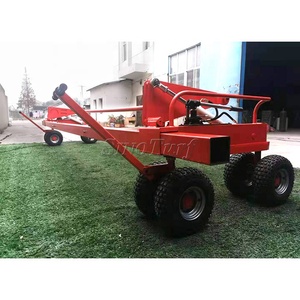
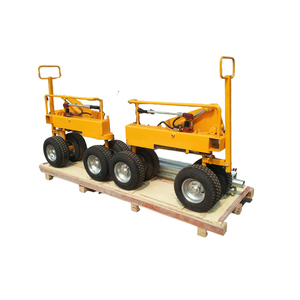
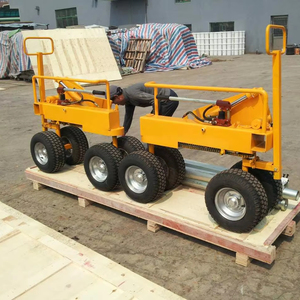
International sports complexes in Lagos and Asaba deploy specialized turf machinery, including Artificial Grass Roll Lifting Machines and Paving Vehicles. Embedded heavy-duty onboard chargers provide zero-maintenance power delivery with IP67 protection against mud, damp grass, and direct water washing.
As a global electric vehicle manufacturer and specialized charger exporter, we provide enterprise fleet buyers in West Africa with verified quality standards, custom engineering flexibility, and direct factory pricing.
We manufacture both the electric utility vehicles and the onboard power conversion systems. This unified engineering ensures 100% mechanical fitment, optimized wiring harness integration, and synchronized CAN communication protocols.
Our manufacturing lines operate under ISO9001 and IATF16949 quality management system standards. Every charger unit undergoes a 100-point full-load burn-in test under simulated 50°C thermal conditions before export shipping.
We tailor charging profiles, physical bracket mounting geometries, DC connector configurations (Anderson, REMA, custom pinouts), custom voltage ranges (36V, 48V, 72V, 96V), and private-label branding for Nigerian distributors.
We handle end-to-end export compliance including SONCAP certification support, Form M registration alignment, UN38.3 battery safety documentation, MSDS filings, and container-optimized packaging for fast customs clearance at Lagos Apapa or Tin Can ports.
A: Yes. Standard chargers frequently burn out due to sudden voltage surges or extreme voltage sags common on the local grid. Our onboard chargers feature an ultra-wide AC input range (85V–265V AC) equipped with integrated over-voltage, under-voltage, and transient surge suppression circuits, ensuring reliable operation even when power fluctuates rapidly.
A: Absolutely. Thanks to built-in Active Power Factor Correction (PFC >0.99) and low total harmonic distortion (THD), our chargers present a clean resistive load to power sources. They work seamlessly with clean-sine solar inverters and standard industrial diesel generators without causing voltage feedback or generator frequency tripping.
A: Onboard chargers eliminate the need to haul heavy external charging stations between job sites. Operators simply carry an standard AC extension cord inside the vehicle and plug into any nearby outlet. Additionally, onboard chargers are hardwired directly into the battery management system (BMS), ensuring continuous monitoring of battery health during the entire charge cycle.
A: Our chargers are built within heavy-duty die-cast aluminum heat-sink enclosures utilizing specialized thermal potting compounds. They feature intelligent thermal management algorithms: if internal components reach elevated safety thresholds during extreme 45°C heatwaves, the unit automatically throttles current to maintain charging safety while protecting battery chemistry from degradation.
A: All export-bound vehicles and power charging systems are certified under international standards including CE, RoHS, FCC, and ISO9001. We provide all necessary documentation required for SONCAP compliance checks, customs valuation, and port clearance procedures in Nigeria.
A: Yes. We supply complete spare-parts kits, diagnostic cables, dynamic programming tools, schematic manuals, and online engineering support for commercial fleet operators and local equipment dealer partners throughout Nigeria.