Heavy-duty, CE and DOT-aligned mobile turf machines, farm transports, and commercial shuttle vehicles optimized with high-efficiency PV solar charging and corrosion-resistant hot-dip chassis for tropical operations.
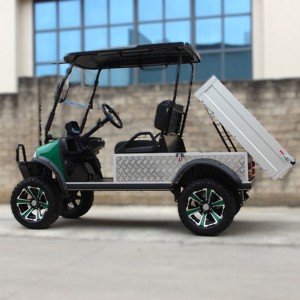
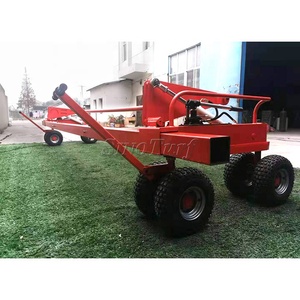
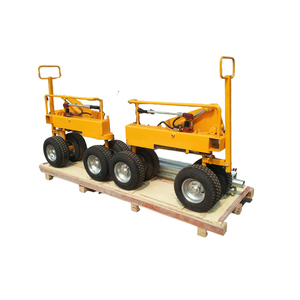
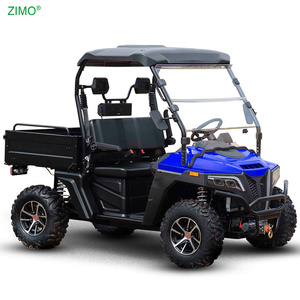
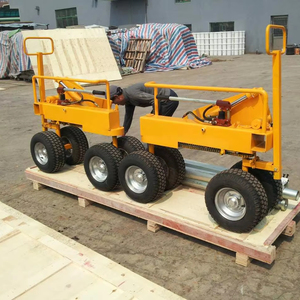
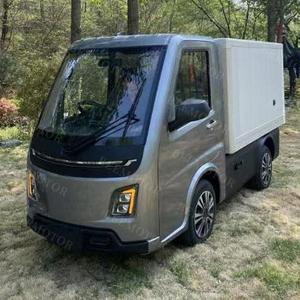
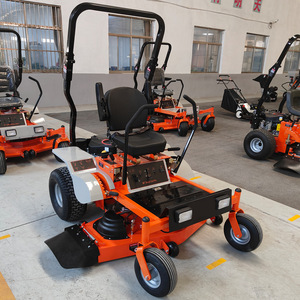
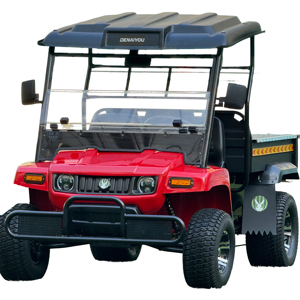
Strategic localized drivers transforming commercial transport, hospitality shuttles, agricultural logistics, and industrial campus operations across the Kingdom of Thailand.
Thailand is experiencing a rapid structural shift in off-highway mobility and commercial utility transport. Accelerated by the National EV Policy Board’s "30@30" Roadmap—aiming for 30% of all domestic vehicle manufacturing to be zero-emission by 2030—enterprises across Chonburi, Rayong, Phuket, and Chiang Mai are aggressively converting traditional internal combustion engine (ICE) utility carts and outdated lead-acid fleets to solar-integrated electric vehicles (EVs).
Central and Eastern Thailand receive an average daily solar radiation of 18.2 MJ/m²·day (approx. 5.05 kWh/m²/day). By embedding flexible, automotive-grade Monocrystalline PERC solar canopies directly into the 48V/72V DC architecture via high-efficiency MPPT controllers, MAC EV solar carts continuously harvest 300W–600W of power while parked or in motion. This provides up to 25–35 additional kilometers of zero-cost daily operating range under direct Thai sun exposure.
Factories operating within the EEC logistics hubs in Rayong and Chonburi must meet stringent ESG carbon intensity metrics. Our solar utility carts fulfill zero-carbon internal transport mandates, lowering enterprise scope 1 emissions.
Ultra-luxury resort properties in Koh Samui, Phuket, and Krabi require silent, emissions-free passenger shuttles. Solar roof Integration removes daytime grid dependence and eliminates diesel odor in pristine ecological zones.
From extensive durian and rubber plantations to championship golf courses in Hua Hin, high-torque 4WD electric turf machines allow heavy load haulage across mud and turf without turf compaction or fuel spills.
Standard electric golf carts engineered for temperate climates frequently suffer from thermal throttling, frame oxidation, and battery failure under Thailand’s intense humidity, tropical downpours, and elevated ambient heat.
Conventional solar golf carts use rigid, heavy glass solar modules wired to standard PWM regulators. MAC EV engineers custom curved ETFE-laminated monocrystalline panels integrated seamlessly into the vehicle’s lightweight ABS roof structure.
Ambient temperatures in Central Thailand routinely exceed 40°C during April, causing standard NMC lithium or lead-acid batteries to overheat, swell, and experience severe capacity fade.
Coastal humidity in Pattaya and Phuket, combined with standing water during rainy seasons, leads to rapid chassis rusting in basic tubular steel carts within 18 months.
A rigorous financial comparison for commercial fleet managers in Thailand: Solar-Assisted LiFePO4 Carts vs. Legacy Lead-Acid Electric Carts vs. Diesel Utility Vehicles.
| Evaluation Metric | MAC EV Solar LiFePO4 Utility Cart | Legacy Lead-Acid Electric Cart | Diesel / Gas Utility Vehicle |
|---|---|---|---|
| Initial Capital Expenditure (CapEx) | Moderate (High solar ROI offset) | Low | Moderate to High |
| Energy Cost / 100 km (THB) | 15 – 25 THB (Free solar power assist) | 65 – 85 THB (100% grid charging) | 280 – 350 THB (High local diesel tax) |
| Battery / Engine Lifecycle | 8 – 10 Years (3,500+ Cycles) | 1.5 – 2.5 Years (Severe heat sulfation) | 5 – 7 Years (Requires overhaul) |
| Maintenance Overhead | Minimal (No watering, sealed motor) | High (Distilled water, terminal corrosion) | Very High (Oil, filters, belt replacements) |
| Daily Operating Range | 80 – 110 km (Continuous solar boost) | 40 – 55 km (Voltage sags on hills) | 150+ km (High tailpipe pollution) |
| Carbon Footprint / Year | 0 Kg CO2 (100% Green Mobility) | ~850 Kg CO2 (Grid energy reliance) | ~2,400 Kg CO2 (Direct tailpipe) |
Partner directly with a certified Tier-1 solar EV manufacturer. We engineer, stamp, weld, assemble, and export custom enterprise fleets directly to Thai distributors, resorts, and government facilities.
Integrated production line featuring robotic frame welding, automated powder coating bays, specialized wiring harness benching, and rigorous end-of-line quality control stations.
Tailor your solar cart fleet with custom body colors, corporate branding badges, modified cargo deck dimensions, hydraulic tip systems, enclosure curtains, and special tire profiles.
Direct shipping routes from factory ports to Laem Chabang Port and Bangkok Port. 40HQ container packing optimized to safely fit up to 8–10 units, minimizing per-unit ocean freight costs.
Essential answers for Thai business buyers, procurement directors, and resort fleet operators considering solar utility cart imports.
Under typical ambient solar irradiation in Thailand (4.8 - 5.5 kWh/m²/day), an integrated 350W-500W roof panel generates between 1.6 kWh to 2.5 kWh of solar electricity daily. This translates to an additional 20 to 35 kilometers of driving range per day without drawing a single watt from the electrical grid.
All MAC EV solar utility carts are supplied with CE declarations, UN38.3 lithium battery transport safety certificates, MSDS documentation, and full factory testing reports. Our export documentation team assists Thai importers with customs clearing documentation through Laem Chabang port, complying with local Thai Industrial Standards Institute (TISI) guidelines where required.
Our vehicles are built with IP67 rated waterproof motor controllers, sealed wiring harnesses, and fully encapsulated MPPT solar regulators. Even under dense monsoon cloud cover, diffuse solar radiation continues to trickle-charge the LiFePO4 battery pack, while 4-wheel hydraulic disc brakes provide superior stopping power on wet coastal roads.
Yes. As a direct factory manufacturer, we offer modular rear configurations including hydraulic tipping dump beds, aluminum utility toolboxes, flatbed stake sides, and specialized artificial turf lifting and spreading attachments tailored to your exact operational requirements.
Standard manufacturing lead time is 20 to 30 days depending on order size and customization level. Transit time via ocean freight from our factory port to Laem Chabang Port typically takes between 7 to 12 days, ensuring rapid delivery schedules for commercial fleet orders.
We provide a comprehensive 36-month factory warranty on our LiFePO4 lithium battery packs, 24 months on the motor and controller drivetrain, and 5 years on the hot-dip galvanized chassis. Every bulk order includes a customized spare-parts fast-moving kit (relays, brake pads, lights, switches) and full exploded-view technical manuals.
