Engineered with high-torque AC induction motors, anti-corrosive chassis alloys, and zero-compaction turf tires—ideal for Japanese golf resorts, school facilities, and steep mountain topographies.
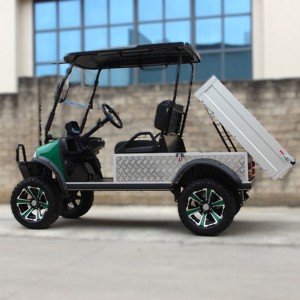
CE Certified, reinforced steel frame, anti-slip cargo tray. Engineered for university campuses, public parks, and resort logistics.
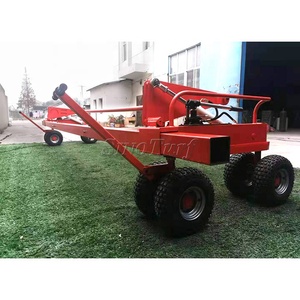
Heavy-load turf distribution system, low ground-pressure tires to prevent athletic surface damage during installation.
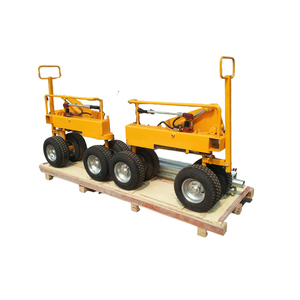
Integrated hydraulic lift boom for seamless heavy synthetic turf roll deployment in Japanese municipal grounds.
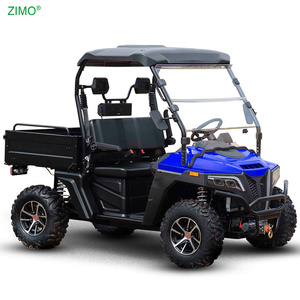
Dual-motor 4WD system, 35% gradeability, tailored for steep orchard terracing and mountainous farming prefectures.
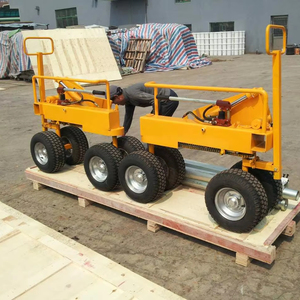
Precision roll-unwinding mechanism designed to cut labor costs by 60% on large-scale stadium projects.
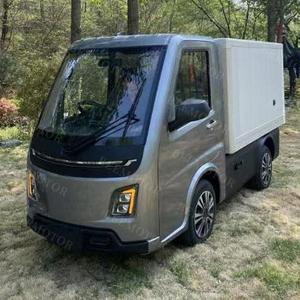
48V LiFePO4 battery, 400kg payload capacity, ideal for resort luggage transfers and agricultural daily maintenance.
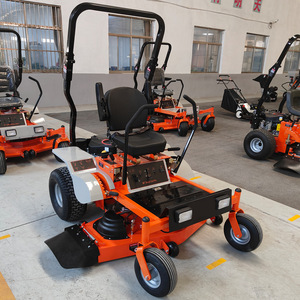
Ergonomic operator cabin, zero-turning radius for intricate landscaping around Japanese heritage gardens and estates.
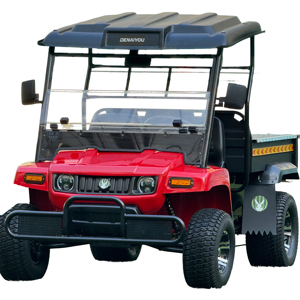
Electro-hydraulic dumping tray, whisper-quiet electric actuation for morning hotel maintenance without guest disruption.
The Japanese market for commercial mobility, golf resort management, and specialized agricultural utility carts is undergoing a profound structural evolution. Driven by Japan’s national target of achieving net-zero greenhouse gas emissions by 2050, alongside an acute labor shortage in groundskeeping and facility maintenance, Japanese fleet managers are aggressively replacing legacy internal combustion engine (ICE) and lead-acid utility vehicles with high-performance lithium-ion (LiFePO4) lifted electric utility vehicles.
When selecting a manufacturing partner for export into Japan, procurement directors must evaluate technical compliance beyond basic golf cart parameters. Japan's unique geography—ranging from high-humidity coastal resorts in Okinawa to mountainous snow regions in Hokkaido and Hakone—requires robust chassis engineering, advanced electro-hydraulic systems, zero turf-compaction weight distribution, and strict electrical safety standards. This guide analyzes the key technological benchmarks defining the top export-oriented factories supplying Japan today.
Key Sourcing Insight for Japan Importers: Under Japanese Ministry of Land, Infrastructure, Transport and Tourism (MLIT) guidelines and localized facility operation codes, electric utility carts operating on private commercial grounds, hot spring resorts (Onsen), and municipal athletic fields require low noise emission (<55 dB), zero oil-leak risk, and localized safety interlocks to protect operators on inclines exceeding 25%.
To deliver real ROI and prevent vehicle downtime in demanding Japanese commercial environments, factory engineering must prioritize six critical component categories:
Sealed 5 kW to 7.5 kW AC induction motors eliminate brush maintenance, providing flat torque curves essential for navigating steep mountain resort gradients without speed decay.
48V/72V Lithium Iron Phosphate chemistry with smart cell balancing delivers 3,500+ charge cycles, rapid 2-hour opportunity charging, and robust performance down to -15°C.
Dual-circuit hydraulic braking systems replace primitive rear-drum setups, ensuring instantaneous stopping power under full payload on wet golf paths or paved inclines.
Independent front double A-arm suspension with heavy-duty adjustable coil-overs increases ground clearance (up to 235 mm) while dampening vibration across unpaved terrain.
Hot-dip galvanizing and multi-stage robotic powder coating protect the vehicle frame against severe salt-spray environments common in Japanese island and coastal regions.
Integrated HMI touchscreen dashboards with reverse cameras, CAN-bus diagnostics, and remote fleet management software tailored for resort operators.
Before establishing a supply relationship with an overseas manufacturing facility, Japanese distributors should measure factory capabilities against standardized technical benchmarks:
| Evaluation Parameter | Standard Industry Grade | Japan-Export OEM Benchmark (Recommended) |
|---|---|---|
| Powertrain Efficiency | DC Motor System (3.5 kW) | High-Torque 5.0 kW - 7.5 kW AC Induction Drivetrain |
| Battery Chemistry & Life | Flooded Lead-Acid (600 cycles) | Grade-A LiFePO4 Pack (3,500+ cycles @ 80% DoD) |
| Chassis Protection | Standard Spray Paint | Hot-Dip Galvanized + 480-Hr Salt-Spray Powder Coat |
| Braking Performance | Mechanical Rear Drum Brakes | 4-Wheel Hydraulic Disc + Regenerative Electromagnetic Motor Brake |
| Gradeability (Full Load) | 15% to 18% Slope Capacity | 25% to 35% Incline Capability with Automated Hill-Hold |
| Certification & Compliance | Basic Factory CE | CE, UN38.3 (Lithium Transport), MSDS, PSE Compatible Chargers |
The versatility of lifted electric carts and dedicated turf utility vehicles allows Japanese commercial buyers to deploy them across diverse commercial landscapes:
Quiet operation is paramount in Japanese hospitality. Lifted 4-seat and 6-seat electric carts equipped with ultra-quiet AC motors allow luxury ryokans and hillside golf resorts to transport guests smoothly across stepped pathways without breaking the serene natural atmosphere.
Laying and maintaining artificial turf on sports grounds requires extreme mechanical precision. Dedicated artificial grass roll lifting vehicles and spreading machines minimize manual handling, preventing surface creasing and cutting field installation timelines significantly.
Navigating narrow fruit orchards and steep hillside farms demands compact, 4WD electric utility carts with high-torque gearboxes. Hydraulic dump beds allow workers to transport heavy harvests of citrus, grapes, or tea leaves effortlessly across tight tracks.
For large facility maintenance, electric utility pick-ups equipped with robust steel cargo boxes serve as low-maintenance substitutes for conventional minitrucks (Kei trucks), reducing operational fuel overhead to zero.
When planning multi-year supply contracts, procurement officers should align with three structural shifts currently transforming Japanese commercial transport:
A. Accelerated Retirement of Gas-Powered Groundskeeping Fleets: Noise ordinances in residential and resort zones are compelling golf clubs and municipal operators to phase out gas engines in favor of zero-emission electric drivetrains that operate at under 55 decibels.
B. Integration of Smart BMS and Lithium Safety Controls: Following stringent electrical safety standards, Japanese buyers require battery management systems (BMS) with thermal runaway protection, real-time CAN-bus monitoring, and PSE-certified charging hardware.
C. Versatile Modular Chassis Architecture: Distributors in Japan increasingly prefer single chassis platforms that accept interchangeable rear modules—such as flip-out passenger seats, hydraulic dump beds, or turf roll spreaders—maximizing container shipment efficiency and dealer stock flexibility.
Answer: Chargers supplied with the vehicles must carry or be compliant with Japanese PSE (Electrical Appliance and Material Safety Law) standards. The lithium battery packs must have UN38.3 transport certification and MSDS documentation to clear Japanese customs and ocean freight regulations smoothly.
Answer: Vehicles specified with 5.0kW+ AC induction motors, 400A/500A controllers, and 4-wheel hydraulic disc brakes provide positive hill-climbing torque on gradients up to 30% and short stopping distances on wet asphalt or muddy turf. Electromagnetic parking brakes prevent rollback automatically when stopping on inclines.
Answer: By utilizing knock-down (KD) packing or specialized multi-tier steel frame crate packaging, a standard 40HQ container can accommodate 8 to 10 units of 4-passenger lifted carts or utility pick-ups, significantly reducing per-unit ocean freight costs.
Answer: Yes. Leading OEM/ODM manufacturers provide complete customization including Right-Hand Drive dashboard layouts, custom corporate paint finishes, custom seat embroidery, Japanese-language touchscreen interfaces, and branded serial plates.
Answer: Top-tier exporters provide a 3-year warranty on LiFePO4 battery packs and a 2-year warranty on chassis structures and controllers, backed by complete exploded-view spare parts catalogs, wiring diagrams, and fast-track air shipments for replacement components.
Expand your dealership inventory or upgrade your resort fleet with high-performance lifted electric carts engineered specifically for Japan’s demanding terrain and quality standards.
